
About Bestsingapores In Singapore

Bestsingapores in Singapore isn’t your everyday travel phrase, but it actually points to some of the “best of” experiences and unique spots you can enjoy throughout the citystate. If you’re the sort of person who likes checking out lists of what’s trending, what’s iconic, and what’s totally worth your time (and money) while visiting Singapore, you’re in the right place. I put together this guide to help you get the most out of all the bestsingapores—the things, places, and eats that make Singapore stand out.

A lively evening shot of Singapore's Marina Bay skyline with city lights shimmering over the water and famous landmarks visible, emphasizing the city's vibrant culture and top attractions.

What Does “Bestsingapores” Really Mean?

When I talk about “bestsingapores,” I’m talking about all the things that show off the best of what Singapore has to offer. This covers stuff like iconic attractions, musttry foods, top shopping spots, cool neighborhoods, hidden gems, and more. For firsttime visitors or even locals looking to rediscover their city, there’s a lot to keep track of—it goes way beyond just ticking off the big tourist sights.

Singapore is known as a melting pot where different cultures come together and create something pretty special. This vibe is reflected everywhere, from the hawker centers where you get legendary cheap eats, to the futuristic skyline dotted with gardens, to the spots where nature and city life blend so well you wonder how they pull it off. So, when someone asks about bestsingapores in Singapore, I take it as an invitation to highlight everything that’s both popular and a bit off the radar.

Singapore’s Unmissable “Best Of” Attractions

Even if you don’t have much time, these are the kinds of places that keep popping up in every guide (and for good reason). Here are a few favorites that I never get tired of recommending:

  • Marina Bay Sands SkyPark: The observation deck gives you insane panoramic views of the bay and skyline. It’s a good pick for that classic Instagram shot.
  • Gardens by the Bay: There’s nothing quite like seeing the Supertree Grove lit up at night. The Cloud Forest and Flower Dome are also really impressive, especially if you want to get out of the heat.
  • Sentosa Island: Kind of like Singapore’s playground, with a bunch of beaches, resorts, and familyfriendly attractions, including Universal Studios Singapore.
  • Chinatown, Little India, and Kampong Gelam: Each area is packed with its own unique vibe, food, shophouses, art, and history. Worth exploring on foot so you don’t miss anything cool along the way.
  • Singapore Botanic Gardens: Free, beautiful, and a UNESCO World Heritage Site. I especially like catching a concert at the Symphony Lake if I’m lucky.

And if you have even more time, don’t skip out on the Southern Ridges walk, a scenic trail system that links parks and offers panoramic views of the city and harbor. It’s a relaxing way to get in some fresh air and check out lesserknown natural spots without leaving the city limits.

MustTry Foods in Singapore

If you ask me what’s the bestsingapore way to experience local culture, tasting the food comes out on top every time. Here are some of the iconic dishes you’ve got to try (and where to find them):

  • Hainanese Chicken Rice: Super simple but seriously delicious. Tian Tian Chicken Rice at Maxwell Hawker Centre is iconic, but plenty of stalls do it well.
  • Chilli Crab: Messy, spicy, and unforgettable. Jumbo Seafood and Long Beach are big names, but some locals swear by smaller places too.
  • Char Kway Teow: Smoky, rich fried noodle goodness. Outram Park Fried Kway Teow Mee is a crowd favorite.
  • Kaya Toast and Kopi: This oldschool breakfast is a great way to start your day, especially at Ya Kun Kaya Toast or Killiney Kopitiam.
  • Satay: Grilled meat skewers with peanut sauce, try them at Lau Pa Sat for a late-night snack.

And don’t forget to try some local desserts, like ice kacang (a colorful mountain of shaved ice with sweet toppings) or chendol (sweet pandan jelly and coconut milk with gula melaka syrup). Singaporean desserts are as creative and mixed-up as the city’s culture.

Shopping and Neighbourhoods Worth Exploring

Even if shopping isn’t high on your list, Singapore’s retail scene is pretty lively. There’s something for every budget, from bargainhunters all the way up to luxury seekers:

  • Orchard Road: The legendary stretch of malls and department stores. It gets packed on weekends but is worth checking out if you love big city shopping energy.
  • Bugis Street Market: One of the best spots for scoring deals on souvenirs, clothes, and quirky finds.
  • Haji Lane: Small but packed with indie boutiques, cafes, and colorful murals. It’s a fun place for a chill wander on a lazy afternoon.
  • VivoCity: Singapore’s biggest mall, and it connects to Sentosa for easy access to more fun.

For something totally different, stroll through Katong and Joo Chiat, neighborhoods brimming with Peranakan heritage, colorful shophouses, and a growing collection of quirky eateries, bakeries, and vintage shops. It’s a great spot for both photos and sampling unique local snacks.

Hidden Gems and Local Favorites

Singapore isn’t just about polished tourist sights. I always find something new when I explore beyond the usual areas. Here are a few bestsingapores that feel a bit more underradar:

  • Tiong Bahru: A trendy, historic neighborhood full of art deco flats, indie bookstores, and hipster cafes. Books Actually and Tiong Bahru Bakery have a loyal following.
  • Keong Saik Road: Known for its mix of boutique hotels, fusion restaurants, and rooftop bars. The nightlife here feels more relaxed compared to Clarke Quay.
  • MacRitchie Reservoir: Nature lovers can go hiking or do the treetop walk. It’s a legit slice of green right in the city.
  • Sungei Buloh Wetland Reserve: Great for birdwatching and spotting wildlife. Pack some bug spray!
  • Gillman Barracks: A modern art hub set in old military barracks; perfect for gallery-hopping if you’re into contemporary art.

Another spot locals love is Haw Par Villa—a quirky outdoor art park filled with colorful statues depicting Chinese mythology. It’s wild, weird, and a totally different way to spend an afternoon away from the usual city scenes.

Getting Around Singapore: Tips to Make the Most of It

Singapore is known for being super easy to explore. The public transport system is reliable, clean, and affordable, making it straightforward to hop between all these bestsingapores. The MRT and bus networks cover almost everywhere you’ll want to visit. I usually get an EZ-Link or NETS FlashPay card for hasslefree rides.

Walking is great in some areas, especially around civic districts and food neighborhoods, but the city can get humid. Bringing a refillable water bottle and small umbrella is pretty handy. If you’re short on time or have heavy shopping bags, ridehailing apps like Grab also work seamlessly. Taxis are generally safe and metered, so if you’re in a rush or traveling late at night, they’re a solid option.

Common Questions About the Bestsingapores in Singapore

People ask me all sorts of stuff when planning a trip, so here’s a quick FAQ for the things you might be wondering:

What’s the best time of year to enjoy Singapore’s highlights?
Singapore is pretty much a yearround destination. The main thing to watch for is whether a festival is happening; Chinese New Year, Deepavali, and Hari Raya are especially festive and colorful. Outdoor sightseeing is more comfortable during June to September when it’s a bit drier, but be ready for short rain showers any time.


Is it easy to find vegetarian or halalfriendly options?
Definitely. Plenty of hawker stalls and restaurants cater to vegetarian, vegan, and halal diets. Look out for the MUIS halal certification, and don’t be afraid to ask at stalls; the locals are usually happy to help!


Are these top attractions suitable for kids?
Lots of bestsingapores in Singapore are really familyfriendly. Sentosa, Science Centre Singapore, Gardens by the Bay, and Singapore Zoo are just a few options where both parents and kids can have a great day out.


How expensive is it to enjoy the best of Singapore?
It can range from budget to luxury, depending on your choices. Hawker food is affordable, and public transport is budgetfriendly. Shopping and tourist attractions can climb in price, but a little planning goes a long way. Free attractions like the Botanic Gardens, Southern Ridges, and some art installations offer a lot of bang for zero bucks.


Do I need to speak any specific language or carry cash?
Singapore’s official languages include English, Mandarin, Malay, and Tamil, but English is widely spoken everywhere. Most shops, restaurants, and transport accept credit cards, but it’s a good idea to have some cash for hawker centres or local markets. ATMs are easy to find all over the city.

Add-On Experiences and Local Events to Check Out

Keeping your schedule a bit flexible lets you catch special pop-up events, seasonal celebrations, and local happenings. Some of the coolest experiences I’ve had in Singapore came from checking out National Day parades, MidAutumn Festival lantern walks, and temporary art showcases in unexpected places. If you want to see what’s on, the official Visit Singapore site or Time Out Singapore have up-to-date event lists worth browsing before you go. Don’t miss the Singapore Food Festival and arts events like Singapore Night Festival for some nextlevel cool energy and creativity around the city.

Singapore’s Bestsingapore Experiences for Every Traveler

One thing I love about Singapore is how much it appeals to different types of travelers. Whether you’re a foodie, nature explorer, culture seeker, luxury shopper, or backpacker, there’s a bestsingapore waiting for you. Try exploring at your own pace, mix a few “must-sees” with some spontaneous detours, and you’ll walk away with your own list of favorites.

If you want to prep before flying in, check out the official tourism guide (new window) for updates and even itineraries. Local blogs like Ladyironchef or SethLui are super useful for food and event tips too.

Exploring the bestsingapores in Singapore is about mixing foodie adventures, time in the gardens, shopping, art spots, and stumbling upon corners most quick guides skip. Whether you’re here for a layover or living here for years, there’s always something new waiting for you. Jump in, stay curious, and let yourself be surprised by what this city serves up!

Singapore Race And History Culture

Singapore grabs your attention right away, not just for its towering skyline or its blend of old and new, but for something much deeper: its people. The city-state is packed with cultural diversity, and this really shapes daily life here. You’ll hear it in the languages spoken at hawker centres, see it in the colorful celebrations throughout the year, and taste it in the local food scene. At the heart of this multicultural vibe are the four major races that call Singapore home. If you’ve ever wondered what makes this little nation tick, here’s my take based on living, eating, and chatting my way through its neighborhoods.
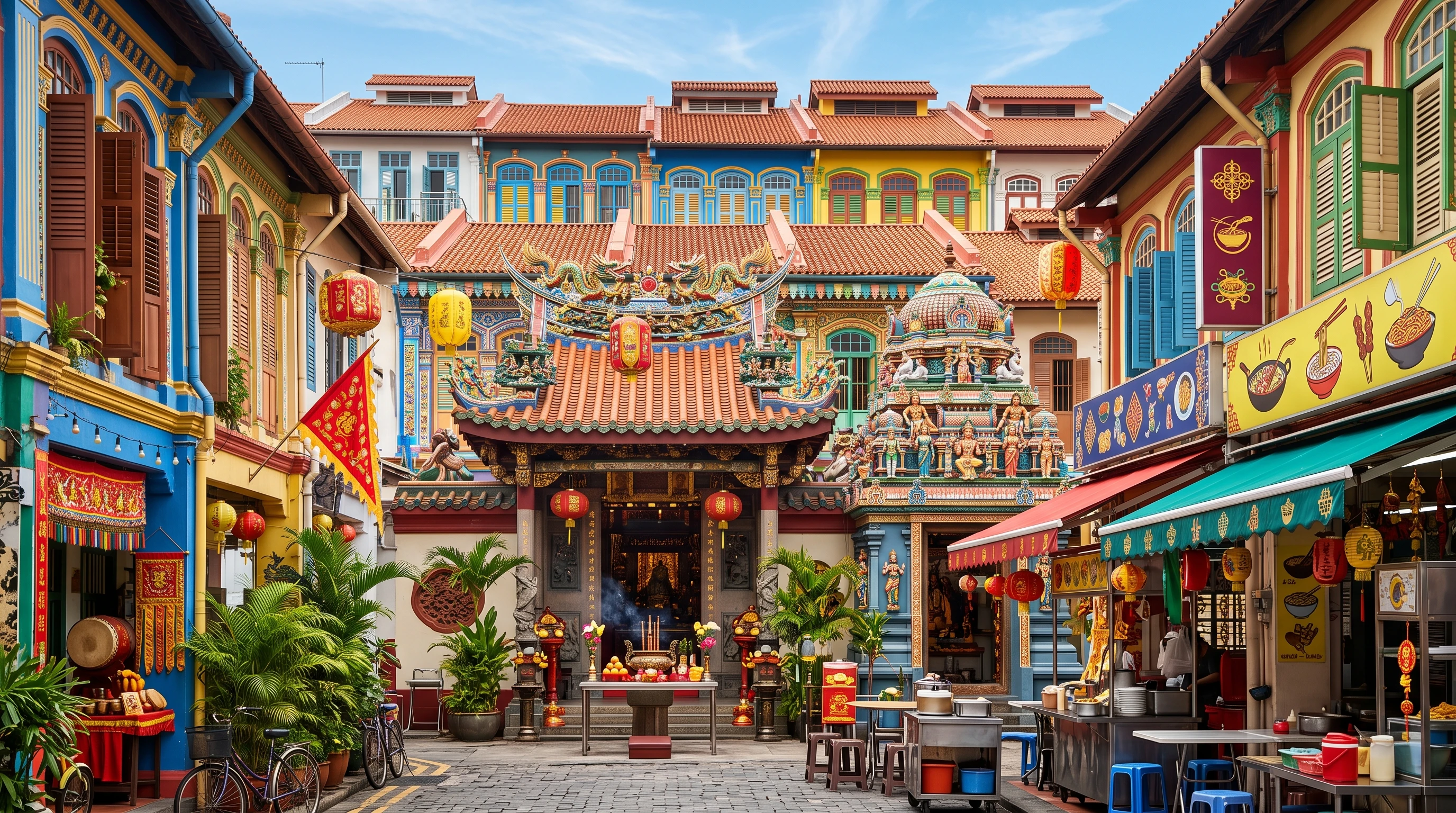
A vibrant blend of Singaporean shophouses, temples, and food stalls with symbolic cultural decorations

Who Are the Four Major Races in Singapore?

When people talk about the four main races or ethnicities in Singapore, they’re referring to the Chinese, Malays, Indians, and Eurasians. These groups have collectively shaped local traditions, food, and even the rhythms of daily routines. Here’s a quick look at each:

  • Chinese: Making up the majority, the Chinese community arrived in large waves starting around the 19th century. Many are descendants of migrants from places like Fujian and Guangdong in China.
  • Malays: Often seen as the indigenous people of the Malay Archipelago, Malays in Singapore have deep historical roots, long predating British colonization.
  • Indians: The Indian community started to grow during the colonial era, mostly from South India, and brought along unique festivals, cuisine, and languages.
  • Eurasians: This smaller but prominent group traces its roots to mixed European and Asian ancestry, such as Portuguese, Dutch, British, and local heritage.

Every one of these groups adds a distinct splash of color to Singapore’s social fabric, from rituals to recipes. If you’re on the ground, you’ll experience all of this in daily life, whether walking around Little India’s spice shops, sipping kopi at a Chinese-run coffeeshop, or enjoying a Malay Hari Raya bazaar. You might also spot Eurasian influences in festive parades and unique fusion foods found only in this part of the world.

Singapore’s Multiracial Identity: More Than a Buzzword

Singapore is, without question, a multiracial country. This isn’t just an official government slogan. It’s something you feel as soon as you start exploring different neighborhoods or chatting with people beyond small talk. Since its independence in 1965, the nation has worked proactively to keep harmony and respect between its various ethnic communities.

Policies like public housing quotas, mother tongue language in schools, and shared national holidays are all efforts to keep a balanced, respectful environment. For me, going to school with classmates from all backgrounds or joining open house events during Deepavali, Chinese New Year, or Hari Raya showed just how closely everyone interacts here. Neighbors visit each other during festivals, share treats, and invite friends of different races to family gatherings. It’s really a lived experience.

For those new to Singapore, seeing four different religious buildings within a few blocks, or a mosque next to a Hindu temple standing across from a church, is a pretty standard sight. This is a country where multiculturalism really works on a daily, practical level. There are also plenty of blend cultures, like the Peranakans (Straits Chinese), who mix Malay and Chinese heritage in both their food and yearly traditions. The sense of inclusion runs deep among residents, even if home languages and rituals vary widely.

The Four Main Ethnic Groups Explained (Beyond Just Their Labels)

Understanding the major races in Singapore goes far beyond just knowing the names. The “CMIO” framework—Chinese, Malay, Indian, Others—is something you’ll hear a lot about locally. Here’s what stands out about each, from my own observations and experiences:

  1. Chinese: Besides being the largest group, they have a big influence on Singapore’s popular culture and business world. Mandarin, dialects like Hokkien or Cantonese, lion dances, and traditional foods like bak chang (rice dumplings) are all big here. Even popular TV shows and community centers reflect Chinese traditions, making them a core part of the city’s heartbeat.
  2. Malays: Iconic for their vibrant traditional attire and beautiful call to prayer, Malays also play a key role in local music and arts. Satay, nasi lemak, and kuih (local desserts) are all must-try foods if you want to get a taste of Malay heritage. Their commitment to sharing food and hosting friends during Ramadan creates warm, memorable connections throughout the country.
  3. Indians: South Indian traditions are especially strong, with spicy curries, dosai, and festivals like Thaipusam popping up annually. Tamil is a common language, and you’ll notice Indian influences in music, jewelry, and even street decorations in places like Little India. There are also North Indian communities who add tastes like naan and creamy curries to the mix, further enriching the local flavor.
  4. Eurasians: This group is smaller in size but punches above its weight in culture, especially when Christmas rolls around or when sampling food like curry debal or sugee cake. Kollywood (Eurasian-style parties) and western pop culture both have a hand here. Many Eurasians are fluent in English but often celebrate unique blend traditions not found elsewhere in Asia.

With “Others” in the “CMIO” framework, Singapore recognizes people of mixed origin or smaller groups like Peranakans, Arabs, Jews, Filipinos, and Thais who add their own eye-catching customs and flavors into the mix. This is super important because “Others” ensures that everyone has a place in the story, even if they don’t fit neatly into the big three.

The Four Main Cultures Shaping Life in Singapore

Culture in Singapore is shaped by rituals, values, crafts, and, of course, food from the four major races. Here are four key cultural slices that really shape local identity:

  • Chinese Culture: Lunar New Year is a highlight, with fireworks, lion dances, and family reunions. Chinese culture centers around family, respect for elders, and traditions passed down over generations. Even everyday things, like the way food is shared or businesses are run, follow these practices. Mooncake Festival and the tradition of making offerings for the Hungry Ghost Festival are additional examples of their customs that have become familiar citywide.
  • Malay Culture: Known for strong family ties and a sense of community, Malay culture bursts to life during Hari Raya with open houses and home-cooked feasts. Songket weaving, gamelan music, and colorful traditional clothing define their aesthetic and artistic influence. Warmth and hospitality are big strengths in the Malay community, making gatherings genuine and inclusive for all visitors.
  • Indian Culture: Indian culture shows up in rituals, religious festivals, and a love for vivid colors and spices. Deepavali—a festival of lights—and Thaipusam are massive, and the temples during these times are a sight worth checking out. Classical dance, intricate jewelry, and elaborate weddings are all part of the scene. Indian culture also adds Bollywood movies and lively street performances to local celebrations, which anyone can enjoy.
  • Eurasian Culture: While it may not be as widely known internationally, Eurasian culture brings together European and Asian charm, especially in cuisine like shepherd’s pie with Asian flavors and family gatherings that mix carols with sambal. Eurasian clubs and music play a role in keeping this community close-knit and welcoming to anyone eager to learn more.

From tea ceremonies to wedding traditions, each cultural group offers something unique. The eye-catching part is how these cultures blend in everyday life. You’ll see Chinese and Malay friends exchanging festive meals, or all races coming together for Singapore’s National Day. Even language is a blend. Singaporeans are famous for ‘Singlish’, a streetwise mashup of English peppered with Malay, Chinese, Tamil, and more. You may even hear new words and slang emerge as these languages mix in surprising, sometimes hilarious ways. If you visit during any major holiday, the city pulses with events from all backgrounds—making it easy to jump into the festivities no matter where you’re from.

Common Questions about Singapore’s Racial Diversity

People usually have a bunch of questions when they first learn about Singapore’s multiracial setup. Here are some that I hear all the time, along with what I’ve seen for myself:

Question: What are the four major races in Singapore?
Answer: Chinese, Malay, Indian, and Eurasian are the main races. You’ll also meet people from all corners of the world, and the government categorizes everyone using the CMIO model (Chinese, Malay, Indian, Others).


Question: Is Singapore a multiracial country?
Answer: Definitely. Singapore is set up as a multiracial nation, and you’ll see Chinese, Malay, Indian, Eurasian, and “Others” mingling in schools, workplaces, and neighborhoods. Official policies make sure this stays balanced and fair. Cultural celebrations are open to everyone, with big festivals and public events featured all over the city every year.


Question: Are there other ethnicities in Singapore?
Answer: Yes, there are plenty of other smaller communities like Peranakans, Arabs, Jews, and people of Filipino or Thai descent. These add even more variety to local customs, restaurants, and events. The official four main groups still get most of the attention, but no one is left out of national celebrations or community life. All are encouraged to take part in the shared sense of unity that defines Singapore.


Question: What are the four main cultures of Singapore?
Answer: The key cultures are Chinese, Malay, Indian, and Eurasian—each with signature music, food, art, festivals, and social customs. Walking through Singapore, you’re pretty much guaranteed to experience all four in some form, often side by side. Shopping centers, parks, and temples often host multicultural events, making every visit different throughout the year.


Why Singapore’s Multiracial Mix Matters

Living in Singapore means seeing every day how blending races and cultures shapes not just food or festivals but even big decisions, like how public spaces are designed or how people relate to each other at school and at work. Anyone spending a few days here quickly notices how deep-rooted these connections are; it’s a city where you can find a halalcertified Chinese eatery, an Indian wedding in a church, or a family that celebrates multiple festive occasions together.

People celebrate this mix not just because it looks good on paper, but because it works out in daily life, creating resilience and lots of space for new ideas. The openness helps everyone settle in and feel at home, whether you’ve just arrived or your family has been in Singapore for generations. With new flavors, customs, and friendships forming all the time, Singapore’s vibrant mix ensures there is always something new to stumble upon. The city doesn’t just tolerate difference—it embraces it, making everyday life that much more nextlevel cool.

You may also like 

Compare Orchard Road And Mustafa Which Is The Cheapest Place To Buy 
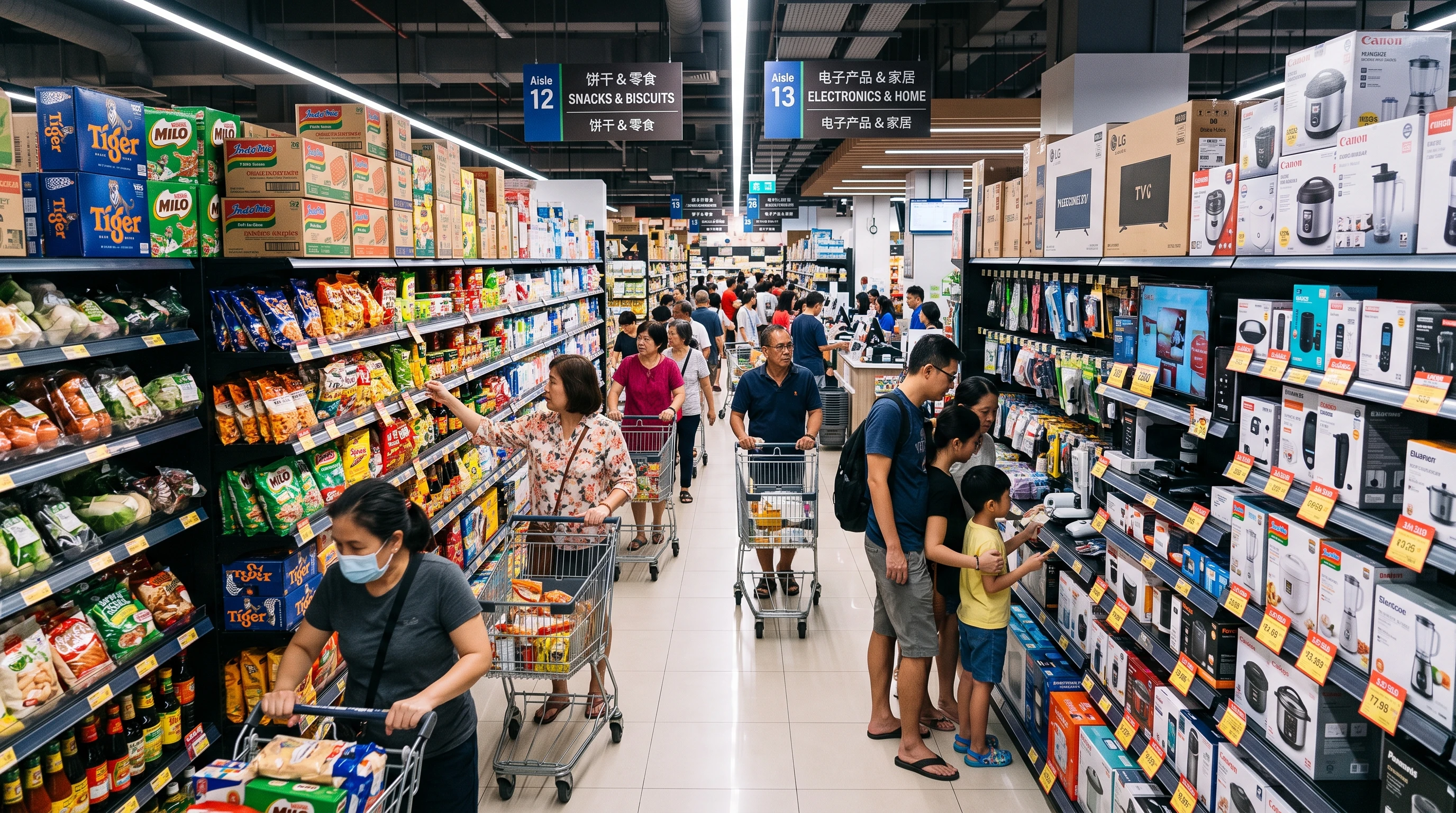
Compare Orchard And Mustafa Which Is The Cheapest Place To Buy
If you love shopping in Singapore, you’ve probably heard plenty about both Orchard Road and Mustafa Centre. These two places couldn’t be more different, but both attract shoppers looking for good deals and variety. I’ve spent time wandering the malls of Orchard and getting lost in the aisles at Mustafa, so I’m sharing my take on which spot gives you the best bang for your buck. The answer isn’t always straightforward, and several factors might sway your preference.

Shopping district in Singapore with storefronts and lights

Breaking Down the Shopping Scene: Orchard vs. Mustafa

Orchard Road is famous as Singapore’s main shopping belt, lined with sparkling malls, luxury brands, trendy boutiques, and midrange stores. Mustafa Centre, on the other hand, is a 24-hour megamart in Little India where you can track down everything from gold jewelry to kitchen gadgets, groceries, electronics, and discount perfume. If you like glitzy buildings and relaxing with strong air conditioning, Orchard fits the bill. If you’re more about the thrill of the hunt and scoring unexpected bargains, Mustafa might be your place.

Years of visiting both have taught me each one has its charm. Orchard attracts influencers and tourists who love trying on the latest trends under bright lights. Mustafa attracts locals on a mission, shoppers from all walks of life grabbing cooking supplies, souvenirs, or a replacement phone charger. Both are worth checking out—just bring the right expectations and comfy footwear!

Pricing and Product Value: Where Do You Actually Save?

When we dig into prices, Mustafa Centre usually gets the crown for budget shoppers. If the goal is stretching every dollar, Mustafa offers just about everything you could want, and often at lower prices than you’ll find at Orchard’s branded stores. Items like toiletries, household goods, snacks, souvenirs, and simple electronics usually come cheaper at Mustafa. I’ve picked up bulk snacks, power strips, and hard-to-find brands at prices well below supermarket rates.

Orchard Road isn’t really known for rock-bottom pricing, especially at stores featuring big international labels. However, it’s worth noting that during the Great Singapore Sale, or in specific outlet shops like Don Don Donki, Uniqlo, or when there are department store promotions, you’ll get some decent deals. Ultimately, if the lowest price is what you want, Mustafa is likely the winner. You’ll need to be prepared to do a bit of searching though, as products aren’t as organized and the shelves can get crowded quickly.

But value isn’t just about sticker price. While Mustafa’s prices are generally tough to beat, some shoppers value the assurance and ambience of Orchard shops, or might want the browsing experience of a bright, air-conditioned mall, making the experience itself worth the premium.

Bargaining and the Overall Shopping Experience

Bargaining is rarely an option at Orchard Road. Most shops there use fixed pricing, and unless you’re splurging at luxury boutiques or specialized electronics outlets, don’t expect discounts. You might find loyalty cards and cashback offers at department stores, but that’s about as far as deals go.

Mustafa Centre is different. It’s not the place for haggling, but it feels more like a whirlwind treasure hunt. You’ll find aisles packed to the brim and staff moving rapidly. It’s organized chaos and there’s a sense of adventure in never quite knowing what you’ll stumble across. If you like comparing products and stacking your own basket, it’s fun, but sometimes overwhelming. The convenience is great, too—Mustafa never closes, so it’s my go-to for last-minute gifts or forgotten essentials.

If you’re used to beautifully arranged window displays or themed mall events, Orchard delivers comfort. There are plenty of cafes, festive popups, and even art installations during certain holidays. Mustafa, on the other hand, is more utilitarian, but nothing matches its sense of affordable abundance.

Comparing Electronics and Luxury Items

Electronics are a big purchase, and this is where Orchard and Mustafa really switch it up. At Mustafa Centre, you’ll see shelves of phones, cameras, appliances, and accessories with prices marked clearly. For basic gadgets and small electronics, Mustafa’s prices are tough to beat. I’ve bought simple headphones and memory cards for less than I’ve seen elsewhere. However, for the latest-model phones or sought-after electronics, selection may be limited, and sometimes you get parallel-imported (non-official Singapore warranty) items.

Orchard Road’s electronics stores (like Best Denki, Challenger, and those inside Lucky Plaza) typically have a full range of the latest gadgets. Prices can be higher, but you get full in-store service, official Singapore warranty coverage, and the assurance of a retail chain. Don’t expect much room to negotiate. When it comes to highend luxury goods—watches, designer bags, branded shoes—Orchard wins outright. While Mustafa does carry gold jewelry and some luxury perfume, most big fashion brands are exclusive to the malls along Orchard.

It’s worth adding that certain tech shops along Orchard Road sometimes run seasonal specials, bundle deals, or clearance sales. This makes Orchard a possible contender for those looking for specific bargains or product launches.

What About Convenience and Accessibility?

Getting to both Orchard Road and Mustafa Centre is a breeze, thanks to Singapore’s superefficient MRT system. Orchard has multiple train stops—Orchard, Somerset, and Dhoby Ghaut—dropping you right in the middle of the action. Easy walking connections link up malls, and you’ll find plenty of places to eat or rest between shopping sprees. Mustafa is a little more offbeat. It’s a short walk from Farrer Park MRT, and the experience feels more tightly packed and local. Its 24-hour schedule is a gamechanger, letting you shop whenever you want, which is a huge plus for late-night planners or those trying to avoid daytime crowds.

Orchard’s malls have more formal dining options, lots of air conditioning, and seating areas for you to catch a break. Mustafa is much more no-frills, but if you love that local market vibe and the thrill of stumbling onto unexpected finds, it can be a blast—just know there’s less room to relax.

Things Worth Considering Before You Shop

  • Purpose of Shopping: If you’re up for a pleasant browsing experience, air conditioning, and are fine with paying more for branded buys, Orchard is the way to go. Bargain hunters or people needing to tick off a big shopping list (including groceries and daily life items) find Mustafa super practical.
  • Warranty & Authenticity: With expensive electronics or branded goods, always double-check warranty coverage and authenticity. Orchard’s shops usually have clearer policies, while Mustafa sometimes stocks parallel-imported items with different terms. Don’t skip asking for a breakdown before big purchases.
  • Opening Hours: Need to shop outside regular hours? Mustafa’s 24-hour opening can’t be matched by any mall along Orchard Road, giving you unmatched flexibility.
  • Atmosphere: Do you like a laid-back, comfy mall vibe, or do you thrive in the hustle and sense of adventure that comes with bargain shopping in a bustling part of the city?

Tips to Make Your Shopping Trip Worth It

  • Check Prices Online: Sometimes, Singapore’s online stores outdo prices at either location, especially for electronics. A quick search and comparison pays off. Shop smart!
  • Bring a List: Mustafa can be overwhelming, so having a shopping list keeps you focused (and guards against the temptation to buy things just because they’re cheap).
  • Go During OffPeak Hours: Mustafa crowds up, especially on weekends. Orchard malls get busy in the evenings and when the big sales roll around. Mornings and weekdays are generally quieter in both spots.
  • Look for Store Events: Orchard often hosts pop-up sales, in-store events, and product launches that unlock special discounts. Get the scoop by checking mall event calendars ahead of your trip.
  • Bring Cash and Card: Most places now accept cards or contactless pay, but some stalls in smaller areas (or at Mustafa for tiny buys) still work best with cash.
  • Mind the Time Limits: Orchard parking is usually expensive, and sometimes there are time-limited deals around. Stay aware to avoid unexpected charges or missed specials.

Frequently Asked Questions

Where can I find the cheapest groceries?
The best spot for bargain groceries is definitely Mustafa Centre. You’ll spot all sorts of imported snacks, spices, and household basics at prices lower than most supermarkets. Don’t miss the late-night deals—sometimes the best finds are refilled after midnight!


Is Mustafa always cheaper than Orchard Road?
For most day-to-day goods and basic electronics, yes. But for limited edition brands or highend luxury products, Orchard Road is where to go. You’ll pay a premium, but get the atmosphere, peace of mind on warranties, and official service guarantees.


Can I buy branded electronics at Mustafa?
You can, but the range may be narrower. Sometimes you’ll see parallel-imported stock. At Orchard, you get official Singapore warranty and the full after-sales support, but generally at a higher price point.


Is it okay to shop at Mustafa late at night?
Absolutely! Mustafa Centre is open 24-7, and late-night visits are generally less crowded. Safety is good, but as anywhere busy, keep an eye on your belongings and bags.

My Take: Where Should You Buy?

If you’re looking for the ultimate deals—especially on everyday items and accessories—Mustafa Centre is tough to beat. For official warranties, luxury goods, and a smoother shopping experience, Orchard Road’s dazzling malls are your best bet. If you don’t mind crowds and don’t mind digging for what you want, Mustafa gives real value. On the flip side, if you’re hoping for a more relaxing, upscale spree, or are in search of something exclusive, you’ll love Orchard even if it costs a little more. They both bring their own vibe to the shopping game. Bottom line: pick based on what’s more important to you, whether that’s saving money or soaking up the scene—Singapore truly offers both worlds under one city skyline.

Gst Refund Singapore

  • Getting a GST refund in Singapore is pretty attractive for travelers who want a bit of savings on their shopping spree. If you’re visiting Singapore, keeping track of your purchases and understanding how the GST refund scheme works can really pay off. Singapore’s Goods and Services Tax (GST) is a form of value added tax charged on most goods and services, but as a tourist, you might be able to reclaim a portion of it before heading home.

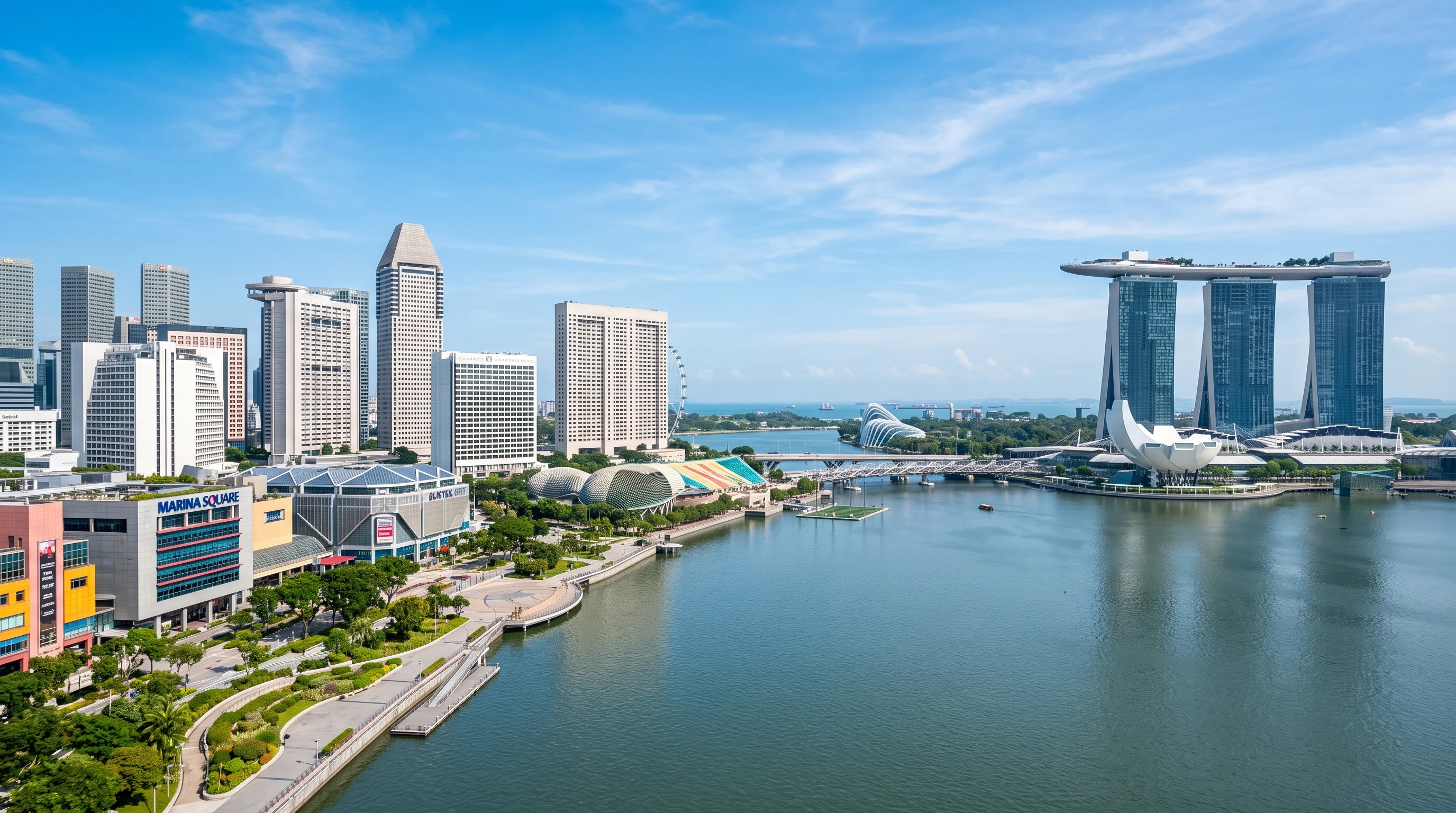
Marina Bay Sands and shopping district in Singapore

How GST Refund Works in Singapore

Singapore’s tourist refund scheme lets eligible visitors reclaim the GST paid on purchases made at participating stores. The current GST rate in Singapore is 9%, so if you’re spending a fair bit, the refund can add up. But the process only works if you meet specific criteria and follow the steps. Here’s what you need to know from start to finish. The process may feel a little detailed, but with careful planning, it can be seamless and rewarding.

Eligibility Criteria for GST Refund

Not everyone can claim a GST refund in Singapore. The scheme is designed mainly for tourists who are leaving Singapore by air or sea. Here are the main points you’ll want to check:

  • You must not be a Singapore citizen or permanent resident. If you’re holding a student or work pass, you need to have been in Singapore for less than 365 days in the past 24 months and not worked during your visit.
  • You must depart Singapore from Changi Airport or Seletar Airport, or via the international cruise terminals at Marina Bay Cruise Centre or Singapore Cruise Centre. Land exits, like crossing into Malaysia, don’t count for GST refund.
  • Your purchases must come from participating shops displaying the familiar “Tax Free” or “GST Refund” logo.
  • Your minimum purchase must be SGD $100 (including GST) at the same shop on the same day. If you want to combine receipts to hit the SGD $100 minimum, shops can help consolidate them, but only if it’s the same branch and day.
  • The goods must be brought out of Singapore within two months from the date of purchase.
  • You have to carry the goods with you as handcarry luggage through the airport or cruise terminal. There are some exceptions, like bulky items, but for most products, this rule applies.

Shopping at Participating Stores

Stores that join the GST refund program are easy to spot. They have dedicated signs or window decals that say “Tax Free Shopping” or “GST Refund.” Before paying, ask the cashier if they offer GST refund and tell them you’re a visitor. Here’s what’s usually required at the store:

  • Have your passport ready. Staff will want to check this to confirm your tourist status.
  • Request a refund ticket or eTRS (Electronic Tourist Refund Scheme) receipt. After paying, the store will issue an eTRS receipt linked to your passport or credit card. This will be important later.
  • Double check details. Make sure your name and passport number are accurate on the refund receipt or eTRS slip. Mistakes can create hassles at the airport.

Most big shopping malls and stores around Orchard Road, Marina Bay, and downtown Singapore are enrolled in the GST refund system. But it’s still a good idea to check every time, because smaller shops or local markets might not be part of the scheme.

Preparing for the GST Refund at the Airport or Cruise Terminal

The final step for your GST refund happens as you leave Singapore. Heading to the airport, try to give yourself some extra time before your flight, because you may need to queue at the refund kiosks, especially during peak travel seasons. Even seasoned travelers sometimes get caught out by longer lines. Planning a headstart can make the process less stressful and gives you flexibility if anything unexpected pops up.

What to Bring

  • Your goods and all receipts. Have your purchased items handy in your carryon luggage. Customs officers sometimes want to see the physical goods before approving the refund claim.
  • Your passport. The details must match the eTRS receipts issued at the stores.
  • Your boarding pass (if you’re flying out).

Using the eTRS SelfHelp Kiosks

Singapore’s refund system is digital, so you’ll be looking for eTRS selfhelp kiosks at the departure hall (before immigration). Here’s how the kiosks work:

  1. Scan your passport or the credit card used for your purchases. The eTRS kiosks will pull up all linked claims.
  2. Follow the on screen instructions, select which refunds to process, and answer a few questions about your goods.
  3. You might be asked to show your items at a customs inspection counter next to the kiosk, especially for higher value claims.
  4. Once everything is checked, the system processes your GST refund and you’ll get a notification slip telling you how much will be refunded and how it will be paid.

Tip for Bulky Items or Checked Luggage

If you want to claim GST refund for big items that must go in checked luggage, like electronics or artwork, there’s a special counter before you check your bags. You’ll need to show both the goods and receipts to Customs before handing over your luggage. It can be helpful to allow additional time when handling larger or specialty goods, since the process sometimes involves more paperwork or scrutiny.

Refund Methods: How Will the Money Get to You?

Getting your GST refund is pretty easy once you finish the kiosk process, but the payout methods can vary. Here’s what you can pick:

  • Credit Card Refund: Fast and convenient, the refunded amount goes back to the credit card you link at the kiosk. This usually takes between 7 and 10 business days. Some travelers find this method the simplest, as you won’t need to handle extra cash or wait in a different queue.
  • Cash Singapore Dollars (SGD): Some terminals have counters where you can collect cash directly, often right after processing your claim. Check the signage or ask staff if you’re not sure. Be aware though, certain amounts may only be available via ewallet or credit card, so always check what’s available at your departure terminal.
  • Alipay or other ewallets: If you use apps like Alipay, this can make the process instant, especially handy for visitors from China. Some ewallets may have transaction limits or additional steps, so look into what works best for your needs before heading to the kiosk.

The refund isn’t 100% of the GST amount paid because there is a small administrative fee deducted. The receipt or eTRS slip will show the final figure. For larger claims, Customs might be more diligent in checking documentation and goods.

Common Pitfalls to Watch Out For

Even if you follow the steps, there are a few hiccups that can cost you your refund. Here are mistakes travelers sometimes make:

  • Packing purchased items in checked bags. You’ll need to show the goods at the airport, so keep them in your hand luggage unless it’s a large item.
  • Not consolidating receipts. Missing the SGD $100 threshold by splitting purchases over different receipts can disqualify you from a claim.
  • Damaged or missing eTRS receipts. Without these, your claim can’t be processed at the kiosk.
  • Leaving from a land checkpoint. Only air and sea departures qualify.
  • Exceeding the two month export period. Waiting too long to leave Singapore means your purchases no longer qualify.

Frequently Asked Questions about GST Refund in Singapore

Here are some quick answers to questions many visitors have:

Can I claim a GST refund if I’m a student living in Singapore?
If you’re holding a student pass and have been in Singapore less than a year, you may qualify if you haven’t worked during your stay.


What happens if my flight changes or I miss my flight?
The goods need to be physically taken out of Singapore within two months of purchase. If you miss your flight or have a change of plans, your refund might not process unless you meet the original departure conditions.


Is there a minimum refund amount?
Most stores have a minimum spend of SGD $100 per store, per day. There isn’t usually a lower limit on the refund amount, but the usual admin fee applies.


Extra Tips for a Smooth GST Refund Experience

  • Keep your receipts organized. Use an envelope or folder so you don’t lose the eTRS slips. Make a habit to review your receipts before leaving each shop so any issues can be fixed right away.
  • Factor in extra time at the airport. Sometimes the eTRS kiosk can get crowded, and the customs inspections can be slow during busy seasons. Arriving earlier than you think you need can relieve the stress of waiting behind long lines or dealing with last minute paperwork.
  • Check refund policy updates. Singapore’s GST rules and the eTRS process sometimes change, so it’s good to review the official IRAS website before you fly. There might be updates to refund rates, eligible items, or departure procedures.

Final Thoughts

Getting a GST refund in Singapore is pretty straightforward if you stick to the rules and keep your paperwork handy. I always tell people to double check eligibility before buying, keep everything you buy in your handcarry, and allow for extra airport time to process your refund claim. It’s a simple way to get a little extra spending power before leaving Singapore, and who doesn’t like a great shopping deal on the way home? Make GST refund part of your travel checklist and you’ll leave Singapore with both great memories and a wallet that feels a little fuller.