
If you’re thinking about getting into Singapore’s Chinatown, you’re in for a real treat. With buzzing markets, colorful temples, and mouthwatering eats, Chinatown is a place where old traditions and modern trends mix together pretty seamlessly. I’ve explored this vibrant neighborhood more times than I can count, and each walk down those busy streets always brings something new. I’m sharing my top tips and all the insider info you’ll want before making your own trip there.
Why Chinatown in Singapore is Worth Visiting
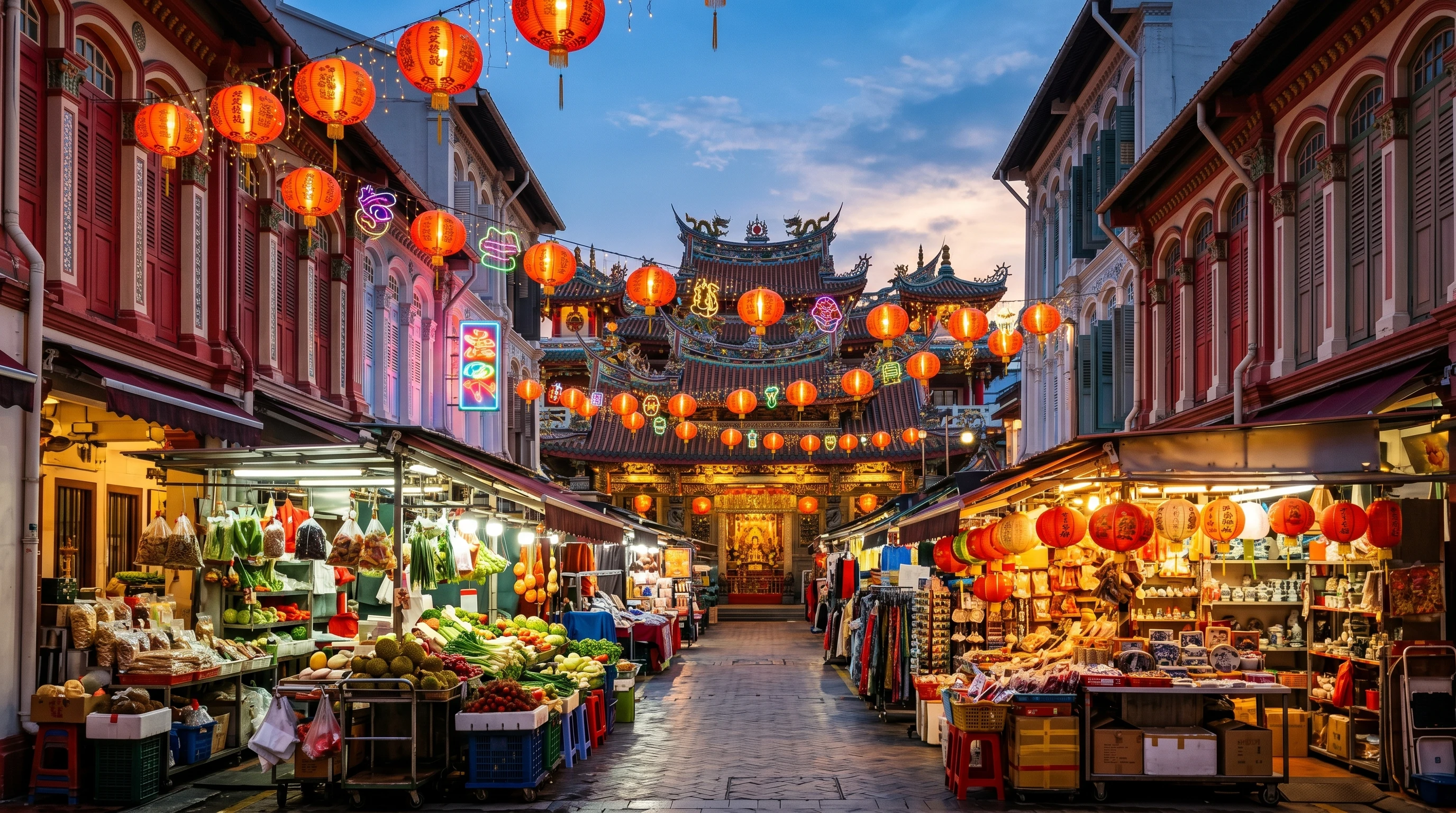
Chinatown isn’t just a tourist hotspot; it’s got layers of history, shopping, and food that locals love just as much as visitors. If you want a taste of Singapore’s Chinese heritage or a lively street scene that’s never dull, it’s really worth checking out. The area dates all the way back to the early 1800s when Chinese immigrants first settled here, bringing with them unique traditions, culture, and flavors you can still experience today. From red lanterns zigzagging over streets to traditional medicine halls and funky bars, there’s a ton of personality packed into just a few blocks.
Chinatown is also home to some of Singapore’s most iconic heritage buildings and religious sites. That mix of oldworld charm and everchanging urban life means you can spend hours or even days here and never run out of things to see. Plus, the area is super easy to get to and walk around, making it great for all kinds of travelers—solo explorers, couples, families, and even foodies on the hunt for the next big bite.
Where is Chinatown in Singapore?
Chinatown sits in the heart of Singapore, right between the Central Business District and the popular Tanjong Pagar area. The main thoroughfare is South Bridge Road, but the wider Chinatown district covers streets like Pagoda Street, Temple Street, Smith Street, and parts of Kreta Ayer. If you hop on the city’s MRT, just get off at Chinatown Station (on the North East and Downtown lines) and follow the signs. The moment you step out, you’ll know you’ve arrived.
It’s not a massive area, so exploring by foot is definitely the way to go. Mapwise, Chinatown is located in the Outram district, super close to places like Marina Bay, Clarke Quay, and City Hall. If you’re planning to mix sightseeing with some shopping, or just snack your way through a few hawker stalls, Chinatown’s location makes it a super convenient spot to start or end your day.
Best Places to Visit in Singapore’s Chinatown
There’s more to Chinatown than bustling souvenir stalls. These are a few spots I always put on my mustsee list:
- Chinatown Heritage Centre: Located right on Pagoda Street, this museum recreates old shophouse interiors. It’s an easy way to picture how the early Chinese communities lived and worked, letting you experience Singapore’s roots firsthand.
- Buddha Tooth Relic Temple & Museum: This beautiful, multistory temple is right in the heart of Chinatown, with intricate architecture and a rooftop garden. Even if you’re not religious, the building alone is impressive, and visitors can learn more about Buddhist culture inside.
- Sri Mariamman Temple: The oldest Hindu temple in Singapore is just around the corner and features vibrant, handpainted statues all over its facade. Step inside during a prayer session to hear mesmerizing chanting and get a feel for Singapore’s multicultural vibe.
- Chinatown Street Market: This is THE place for souvenirs, snacks, and peoplewatching. Head down Pagoda and Trengganu Streets for lanterns, trinkets, and delicious street food. Be sure to try a sampling of traditional sweets and fresh fruit juices from local vendors.
- Smith Street Food Street: If food is on your mind (when isn’t it?), this pedestrian zone offers up all sorts of local eats in a lively, openair setting. Grab a table and jump into classics like satay, oyster omelettes, and crispy spring rolls as you watch the street life around you.
- Ann Siang Hill & Club Street: For a switchup in the evening, try these trendy lanes for indie bars, bistros, and heritage shophouses. Super popular with locals on the weekends! These streets offer everything from craft cocktails to live music in restored colonial buildings, balancing old charm and nextlevel cool.
What to Eat and Drink in Chinatown
If you ask me, Chinatown is all about the food. You could easily build an entire trip around the hawker stalls and restaurants here. These are a few bites I always recommend:
- Chinatown Complex Food Centre: This massive food court has literally hundreds of stalls. Try famous dishes like chicken rice from Liao Fan Hawker Chan (yep, the Michelin-starred stall), char kway teow, wonton noodles, and decadent muah chee (chewy glutinous rice balls dusted in peanut). Be adventurous and check out some lesserknown stalls—sometimes the best flavors are the ones flying under the radar.
- Maxwell Food Centre: Not technically inside the border, but close enough. Order a plate of Tian Tian Hainanese Chicken Rice or slurp up some hearty fish soup. Maxwell is also home to a range of dessert stalls, so don’t skip on the sago gula melaka (sticky sago pearls with palm sugar and coconut milk).
- Traditional bakeries and dessert shops: Look for tau sar piah (mung bean pastries) and chendol (icy coconut and green jelly dessert) in the smaller shops along South Bridge Road. Chinatown is special because generations of familyowned bakeries keep these oldschool flavors alive.
In addition, Chinatown’s street corners are full of pop-up juice stands and bubble tea shops. If you’re feeling adventurous, track down traditional Chinese herbal teas, which are known for their cooling properties in Singapore’s hot climate.
Shopping Guide: What to Buy in Chinatown
Shopping in Chinatown doesn’t just mean fridge magnets (though you’ll find plenty of them). Spend a little time poking around these spots for unique picks:
- Herbal medicine halls: If you’re curious about traditional remedies, many shops along South Bridge Road are welcoming to visitors. These stores offer ginseng, teas, herbs, and sometimes even free consultations—great for digging into local wellness traditions.
- Antique shops: Keep your eyes peeled for hidden treasures, from Peranakan ceramics to old postcards. Many antiques shops have items that tell stories of Singapore’s early days, and bargaining is part of the fun here.
- Textile and souvenir shops: For silk scarves or handpainted fans, the shophouses along Pagoda and Temple Streets have some beautiful selections. You’ll also find custom calligraphy services and paper lanterns that make thoughtful gifts.
Some newer lifestyle boutiques and streetwear popups have also started springing up. These blend traditional patterns with modern design, perfect for picking up a stylish keepsake with a Singapore twist.
When is the Best Time to Visit Chinatown?
Chinatown is lively all year round, but there are definitely times when the energy goes through the roof. Visiting just before or during Chinese New Year (usually January or February) is an experience you won’t forget. Think lantern displays, lion dances, and colorful night markets. It gets packed, but in the best way. That said, if big crowds aren’t your thing, weekdays or mornings are pretty chill and give you space to actually explore at your own pace.
The evening is another good time to visit. Once the sun goes down, the lanterns come on and the night market vibe takes over. Smith Street fills with food stalls and performances, and the area stays buzzing until late. If you’re into photography, sunset over the shophouse rooftops is super photogenic. Just remember, Singapore is hot and humid year-round, so a water bottle and light clothing are always a smart idea.
Do You Need Cash in Singapore Chinatown?
While Singapore has embraced cashless payments almost everywhere, Chinatown still has a bunch of smaller shops, hawker food stalls, and market vendors that prefer cash, especially for small transactions. It’s a good idea to keep some Singapore dollars on hand for those justincase moments, even if you plan on using cards or mobile payments most of the time. ATMs are widely available throughout the district if you need to withdraw cash. When I go, I usually have at least $20-40 in small bills for snacks, knickknacks, or temple donations.
Tips for Exploring Chinatown Like a Pro
- Wear comfy shoes. You’ll be walking those winding alleys and bustling lanes a lot.
- Start early or go late. Heat and crowds are lighter, and you’ll get better photo opportunities.
- Try both the touristy hotspots and quieter streets. Sometimes the best experiences are hidden away just a block off the main drag.
- Don’t be afraid to bargain (nicely). Many market stalls expect it, especially with souvenirs.
- Observe temple etiquette. Shoulders and knees covered, shoes off in sacred spaces, and be respectful when photos aren’t allowed.
- Check out a local festival or parade. If your visit lines up with Chinese New Year, Mid-Autumn Festival, or Vesak Day, you’ll be treated to amazing cultural performances and street decorations.
For those interested in local crafts, some workshops in the area offer quick lessons in calligraphy or even lantern-making that you can book in advance. This is a cool way to bring home a custom souvenir and learn from talented craftspeople.
Frequently Asked Questions About Singapore’s Chinatown
Is Chinatown in Singapore worth visiting?
Absolutely. It’s one of Singapore’s most vibrant and historic neighborhoods. Between the food, shopping, culture, and convenient location, it’s hard not to find something you’ll enjoy; whether you like temples, trendy bars, or just soaking up the atmosphere.
Where should I go in Chinatown?
Start at the Chinatown Heritage Centre and Buddha Tooth Relic Temple, then wander through the Chinatown Street Market and food courts. Ann Siang Hill and Club Street are great for a relaxed evening after exploring the main sites.
Where is Chinatown in Singapore?
It’s conveniently right between the Central Business District and Tanjong Pagar, mostly covering Pagoda Street, Temple Street, Smith Street, and the wider Outram district. Take the MRT to Chinatown Station for the easiest access.
What’s the best time to go to Chinatown Singapore?
Mornings or early evenings are perfect for cooler weather and smaller crowds. For energy and events, visit around Chinese New Year or festival season.
Do I need cash in Singapore Chinatown?
Certainly handy for hawker stalls, souvenirs, and smaller shops; so bring small bills even if you use a card or phone wallet most places.
Wrapping Up
Whether you’re after killer street food, gorgeous temples, or a vibrant slice of local life, Chinatown Singapore totally delivers. Bring an appetite, stay open to the surprises tucked down every side lane, and be ready to stumble upon a side of Singapore that’s bursting with energy and charm. The sights, sounds, and flavors here keep drawing me back, and I’m certain you’ll find your own favorite moments—happy exploring!