
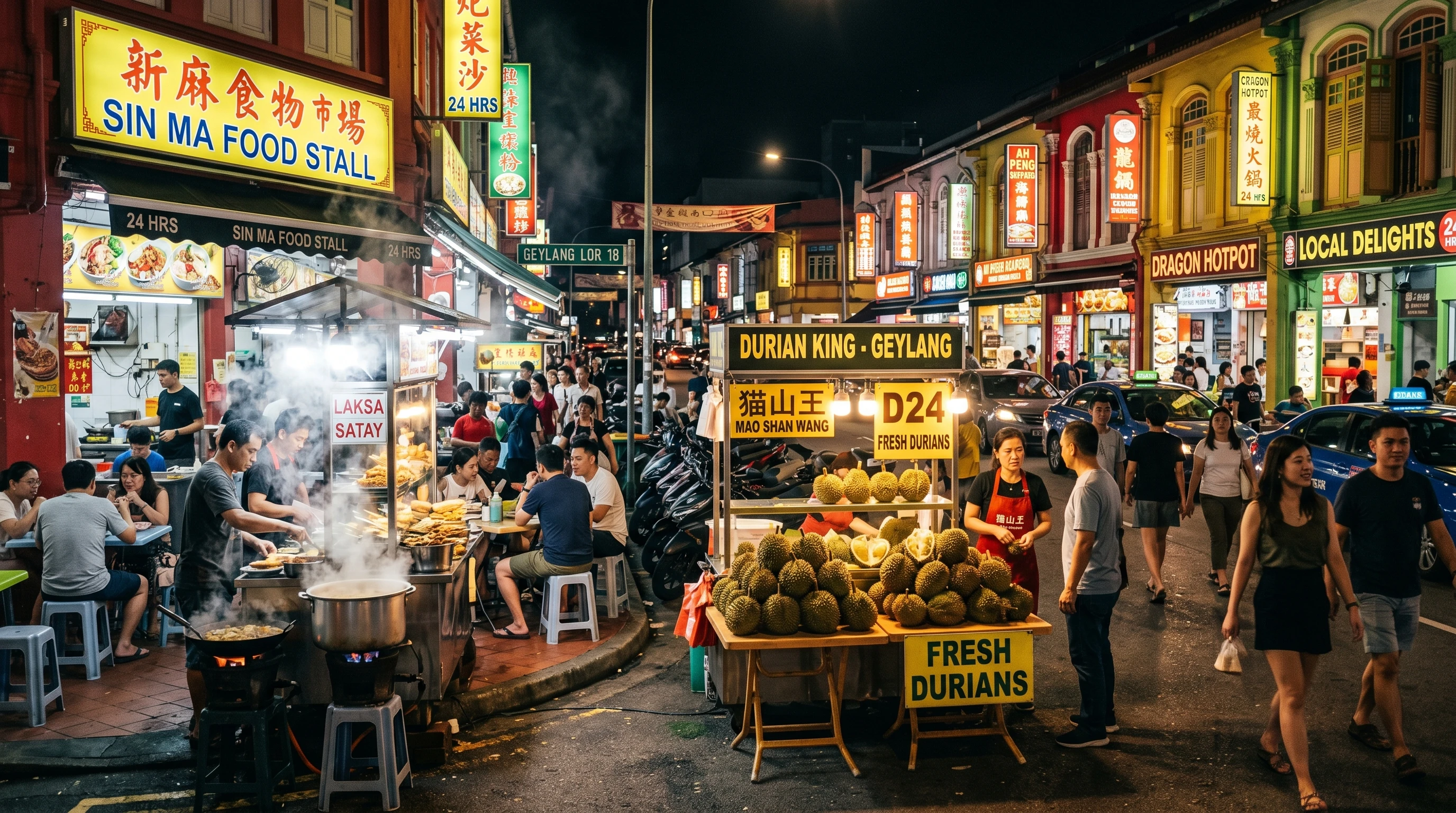
Geylang in Singapore is a district packed with energy, history, and flavors that are hard to find anywhere else on the island. People who visit often say Geylang stands out for its unique character, legendary food streets, and open attitude toward nightlife. When someone brings up Geylang, I instantly think about bustling markets, late-night eateries serving irresistible local dishes, and the unmistakable aroma of durians wafting down the street.
What is Geylang Famous For?
Geylang’s reputation comes from several things that naturally draw locals and travelers. The first thing most people think of is the food. Geylang is probably the best known spot in Singapore for traditional eats, ranging from late-night dim sum to spicy frog porridge. The streets are lined with food stalls and small restaurants that stay open well into the early morning, perfect for supper hunters.
Besides the food, Geylang is known for its red-light area. Unlike Singapore’s usually pristine business districts, Geylang keeps an old school vibe and a less filtered style, which is part of its authentic charm. The area offers a mix of budget lodgings, karaoke bars, and massage parlors; everyone knows what goes on here, but it’s all part of the district’s character.
Geylang’s durians also make it famous island-wide. You’ll see locals and tourists alike camped out on plastic stools, elbow deep in spiky shells, sampling durians fresh from Malaysia and other regions. For anyone curious about Southeast Asian fruit culture, Geylang is where you get the true experience.
On top of that, Geylang is home to rich heritage shophouses, Malay and Chinese temples, and some of the best budget shopping finds in Singapore. Walking around, you’ll see everything from neon-lit seafood restaurants and hawker stalls to quirky shops that sell an array of trinkets and local specialties. The district is a blend of cultures and influences, which makes exploring it an exciting activity for locals and tourists. Every corner offers a new surprise, showcasing Geylang’s ability to retain its roots while keeping up with the rapid changes of urban life.
How to Go to Geylang Red-Light Area
Getting to Geylang is pretty straightforward. The area stretches along Geylang Road and is split between “Lorongs” (Malay for “lanes”) on both sides of the main road. The even numbered Lorongs (e.g., Lorong 2, Lorong 4) are mostly residential and packed with great food, while odd numbered Lorongs (e.g., Lorong 9, Lorong 11, Lorong 13 and up) tend to be busier at night, and that’s where much of the red-light action happens.
You can reach Geylang by MRT trains. I usually take the East West Line to Aljunied MRT station, which is just a short walk from Geylang Road. You can also get off at Kallang or Paya Lebar MRT stations, depending on which part of Geylang you want to check out. Buses stopping along Sims Avenue or Geylang Road are another solid choice, with plenty of services running late into the night.
If you’re heading for the heart of the red-light area, I recommend starting your walk at Aljunied MRT, then heading down to Lorong 8 or Lorong 12 for a look around. Just keep in mind, Geylang is safe by international standards, but it stays lively well after midnight, so always be mindful of your surroundings and keep personal belongings close. The area is also under regular patrol by Singapore police, which generally gives a sense of safety and makes late night exploration accessible for travelers.
Geylang Durian: Where to Try the King of Fruits
If you’ve never tried durian, Geylang is the ultimate place to sample Singapore’s most divisive fruit. The district is home to plenty of specialty durian stalls that pile their goods high and offer everything from the sweet D13 variety to the rare, creamy Mao Shan Wang (Musang King).
Most durian stalls in Geylang open from early evening and keep going till late at night. Stalls like Wonderful Durian (Lorong 19), The Durian Story, and King of King’s Durian always have a fresh supply delivered almost daily during peak durian season. Don’t hesitate to tell the seller it’s your first time; most are happy to walk you through the choices and find something you’ll like.
Sitting down on low stools under fluorescent lights, cracking open fresh durians, and jumping into the flavor with your hands is part of the true local experience. It’s common to see friends, families, and even couples sharing a few varieties, comparing flavors, and watching the street life go by in the evenings as the buzz of Geylang builds.
If you’re nervous about the strong smell, try pairing durian with coconut water or a chilled beer. Locals swear it helps with the aftertaste and keeps things refreshing. Some stalls also offer vacuum packed durian, durian ice cream, or pastries for those who are new and not ready to go all in with a whole fruit experience.
Geylang’s Good Food: What to Eat and Where
Most Singaporeans agree that Geylang is a food paradise. Whether you’re after classic Singaporean comfort staples or looking to add some adventure to your meal, you’ll find plenty of choices for every budget. On my most recent visit, I found myself hopping between a few regular favorites and stumbling upon some under the radar gems.
Famous Food Streets and Hawker Centers
- Beef Hor Fun at Geylang Lor 9: Fried wide rice noodles drenched in thick savory sauce with tender beef. The wok hei (charred aroma) here is genuine and adds a depth you won’t forget.
- Soya Sauce Chicken Rice at Sin Huat Eating House (Lor 35): Celebrity chef Anthony Bourdain once spotlighted this spot for its standout soya sauce crab and generous portions. Their crab bee hoon always draws a crowd, and the atmosphere is unpretentious and inviting.
- Kway Chap at Toa Payoh Kway Chap (Lor 35): Pork offal, braised tofu, and silky noodles in a flavorful, herbal broth. For those who want to jump into something different, this dish is a mainstay in the area.
- Dim Sum at 126 Dim Sum Wen Dao Shi (Lor 17): Grab a stack of har gow, siew mai, and golden custard buns from this 24 hour restaurant that stays packed after midnight, drawing everyone from taxi drivers to party goers looking for a late bite.
Late Night Eateries and Supper Spots
Many food joints in Geylang never sleep. Supper culture here is strong, especially with iconic spots like Eminent Frog Porridge (Lor 19), perfect for anyone ready to try spicy gong bao frog legs simmered in bubbling claypots. Dim sum places along Lorong 15 and 17, as well as Teochew porridge claypot outlets steaming up hearty, comforting bowls, are open late into the small hours.
Geylang’s streets also offer Malay, Indian Muslim, Thai, and Vietnamese restaurants. This blend means you can track down nasi lemak and murtabak, dig into fiery Thai hotpots, or enjoy a bowl of steaming fresh pho. Even late at night, you can spot people of all ages eating, chatting, and soaking up the action which makes the district feel like it never sleeps.
Things to Look Out For and Tips While Exploring Geylang
Geylang is one of Singapore’s oldest residential and commercial hubs, so traffic can get heavy. Walking is usually the fastest way to absorb all the action. The area’s colorful shophouses are a great spot for photos during the day, and at night the neon signs and open air eateries make the streets eye catching and lively.
If you’re trying durian for the first time, wear clothes you don’t mind picking up a bit of the fruit’s heady odor. After your meal, take a stroll to check out the temples and mosques dotted around the district, like the intricate Sri Sivan Temple or the grand Khadijah Mosque. Geylang’s charm comes from its mix of older locals, migrant workers, young adults, and groups out for supper; everyone’s here for a good time and great food. Just remember, certain lanes might be a bit rowdier than others, but the vibe is friendly and laid back overall.
There’s also a thriving market scene on weekends. Fresh produce, cheap electronics, hardware, and textiles are common along the busy main road, and don’t be shy to bargain a little at some of the stalls. Geylang is also home to a few traditional Chinese medicine shops where you can find herbal remedies, dried seafood, and all sorts of Asian teas. These small outlets reveal another layer of the district’s diverse and rich street life.
Frequently Asked Questions
What makes Geylang different from other neighborhoods in Singapore?
Geylang shows a more unfiltered side of Singapore life. Besides being packed with famous food and durian stalls, it’s also known for its entertainment scene and colorful streets. The mix of cultures, old and new shops, and busy night markets make it one of the city’s most energetic districts.
When’s the best time to visit Geylang?
It really depends on what you’re after. Most come for supper or late-night eats, when the area stays lively and the food scene is at its peak. Early evenings are ideal for families, while late nights draw a more adult crowd looking for excitement and vibrant energy.
Is Geylang safe to visit?
Geylang is generally safe for visitors, especially compared to red-light districts in other major cities. There’s a strong police presence and the area is kept clean. Use common sense: stick to busy streets, avoid flashing valuables, and respect the local vibe to stay comfortable.
How do I choose a good durian stall?
The freshest fruit is usually available in the evening during peak season (May to September). Look for stalls with plenty of local customers and durian sellers willing to open the fruit for you on the spot. Most sellers are happy to help pick out sweet or bitter varieties based on your preference and will make sure you get a good one.
Can I shop in Geylang?
There are plenty of mom and pop shops, phone retailers, herbal medicine stores, and convenience outlets. If you’re looking for unique local snacks or dried food to take home, the shops along Geylang Road are worth checking out. You might even stumble upon some quirky finds and memorable souvenirs to remind you of your adventure in this vibrant part of Singapore.