
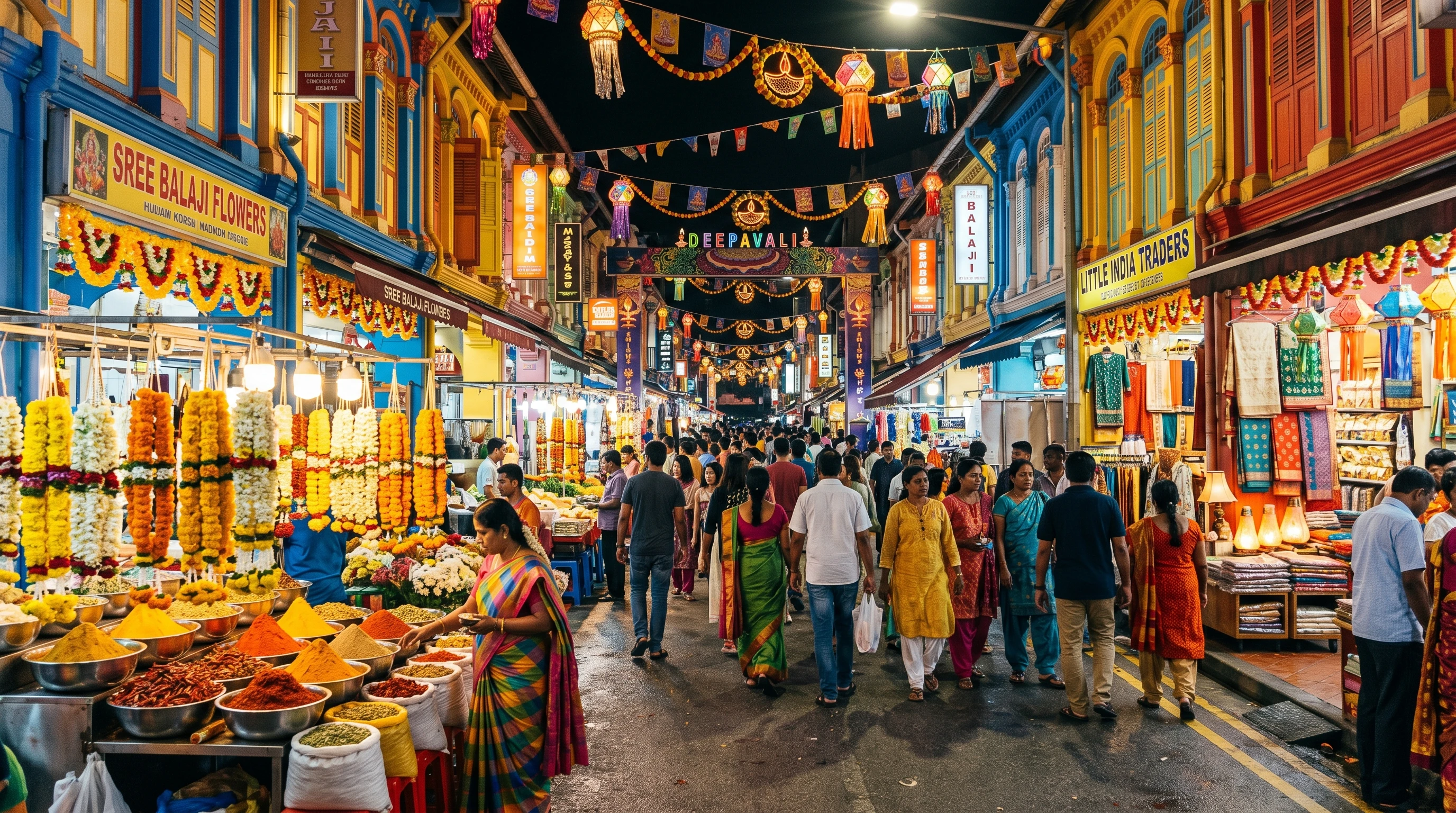
Little India in Singapore isn’t just a neighborhood; it’s a vibrant immersion into Indian culture, right in the heart of a modern city. Every visit brings sensory overload, with colorful buildings, lively street art, aromatic spice shops, and the constant flow of music and chatter that fills the air. If you’re looking for a slice of India in Southeast Asia, you’ll find it here, wrapped up in an atmosphere that’s both friendly and unforgettable.
What Makes Little India Singapore Special?
I’m always asked what sets Little India apart from other cultural districts in Singapore. For me, it’s the energy. From the moment you step out of the MRT station, there’s an unmistakable buzz; clothing shops stacked waist-high with silk sarees, incense wafting from temple doors, and lively exchanges between stallholders and shoppers. Unlike the more polished Chinatown or Kampong Glam, Little India is proud of its slightly chaotic, lived-in vibe.
Cultural experiences here go way beyond browsing shops or eating out. Visitors regularly stumble onto street festivals complete with traditional music and dancing, especially during Deepavali (the Festival of Lights) and Thaipusam. The area is also crammed with Hindu temples, mosques, and churches, often right next to each other, making it a true reflection of Singapore’s multicultural history. Even outside festival times, you’ll stumble upon local musicians performing live or colorful rangoli art decorating walkways, adding to the buzz all year round.
Whether you’re keen on food, arts, architecture, or just soaking up a different way of life, Little India delivers. You’ll spot heritage murals on every corner, listen to Bollywood pop from passing tuk-tuks, and enjoy the simple joy of people-watching in Tekka Centre’s food court. If you’re up for it, the 24-hour Mustafa Centre lets you browse for everything from gold jewelry to curry powder at literally any hour; it’s a surreal experience that stays with just about everyone.
Top Cultural Experiences in Little India
Little India is packed with things to do and see, but a few experiences really stick out if you want to appreciate local culture. To really get a sense of the neighborhood’s energy, take your time to linger at these places, chat with locals, and simply listen to the sounds around you.
- Tekka Centre: A mix of market stalls and food vendors offering fresh produce, Indian snacks, and local favorites like biryani and thosai. It’s the spot where generations of residents shop, eat, and gossip every day. Don’t miss the colorful wet market, where you can ask fishmongers or spice sellers about their best picks.
- Sri Veeramakaliamman Temple: One of Singapore’s oldest Hindu temples, with intricate carvings and colorful statues. Visitors are welcome; just remember to remove your shoes and dress respectfully. If you’re lucky, you might catch a ceremony or festival in full swing with bells ringing and flowers everywhere.
- Street Art Walk: Check out the murals around Hindoo Road, Kerbau Road, and Belilios Lane. Each mural celebrates themes like migration, family, and food. Snap a selfie, then stop for a sweet mango lassi from a nearby cafe. The art is updated regularly, and art tours occasionally offer even deeper insight into the artists’ stories.
- Spice Shops and Perfume Stalls: Follow your nose. You’ll find rows of stalls selling spices, incense, and customblended oils. Stallholders often chat about their family blends and will even let you sample before you buy. Some shops specialize in ayurvedic remedies or handmade garlands, so keep an eye out for unique treasures.
- Join a Festival: Hit the streets during Deepavali or Thaipusam to see processions, community events, and special market stalls. Nights become especially magical with light displays, live performances, and pop-up food stalls filling the air with music and delicious aromas.
Is Little India Worth Visiting?
Little India is totally worth a stop, whether you’re traveling solo, with friends, or with family. It doesn’t just offer a food tour or a history lesson; every step feels like jumping into someone else’s holiday celebration. There’s something really authentic about the way the neighborhood has kept its traditions alive, even as luxury hotels and art galleries pop up nearby.
If you’re looking for a quieter, more polished experience, you might find Little India’s noise and crowds surprising. But if you’re after a colorful cultural adventure, there’s nowhere better in Singapore to jump into local rituals, meet people, and try flavors you won’t find anywhere else in the city. I always walk away with new stories (and usually a bag of snacks). Spending an evening wandering the streets gives you a real sense of how people live, work, and celebrate in this colorful part of town.
Planning Your Visit: Opening Hours and Practical Tips
One question that comes up all the time: “What time does Little India open in Singapore?” There’s no single opening hour for the district since it’s not a single tourist attraction; it’s a living neighborhood. Here’s a quick guide:
- Shops and markets: Most open between 10am to 11am and run until about 8pm, but it varies by shop. Street vendors may set up earlier, especially on weekends, when the early morning crowd fills the area with energy.
- Tekka Centre: Opens from about 6:30am until 9pm, perfect for early risers who want to see the market in action and grab a local breakfast.
- Mustafa Centre: Famous for being open 24/7. You can literally show up any time—dawn or midnight, and the place will be buzzing.
- Temples: Temples like Sri Veeramakaliamman usually open around 7am and close in the evening. Still, check online or at the gate for festival hours or special ceremonial closures.
Public transport makes it easy to get to Little India; just hop off at Little India or Rochor MRT stations. The area is pretty walkable, but expect crowds, especially on weekends and during holidays. I always recommend coming hungry, wearing comfy shoes, and bringing a reusable water bottle since it can get warm while walking the alleys. If you’re planning to shop, bring a tote or backpack so your hands stay free for snacking and snapping photos. Street parking is limited, so public transit truly makes your visit smoother.
Common Cultural Do’s and Don’ts
Many visitors worry about accidentally disrespecting local culture in Little India. The community is generally super welcoming, but there are a few handy tips worth knowing:
- Remove your shoes before entering temples and some traditional shops.
- Dress modestly when visiting places of worship; covering knees and shoulders is appreciated.
- Ask before photographing people or religious ceremonies.
- If you get lost or confused about customs, just ask! Locals are usually more than happy to share information or explain what’s happening. Don’t be shy about striking up a conversation; it’s one of the best ways to learn about the neighborhood firsthand.
Favorite Food Spots and What to Try
I always make time for a meal (or three) when I’m in Little India. The food here is some of the best you’ll find in Singapore. A few dishes really deserve a taste; each bite tells a story of tradition and spice:
- Fish Head Curry: Served steaming hot and spicy, it’s messy to eat but totally worth it. Don’t hesitate to use your hands—locals do, and it makes the meal even more fun.
- Roti Prata: Crispy, chewy pancakes dunked in curry; great for breakfast or a midnight snack. Watch vendors skillfully stretch and fry the dough—it’s almost a performance.
- Biryani: An aromatic rice dish usually paired with curried lamb or chicken. Each vendor has their take, so sample a few if you can to find your favorite.
- Lassi and Masala Tea: Refreshing and rich, these drinks are perfect for Singapore’s heat. Try a fruity lassi on a sunny day or masala tea for a little warmth if rain clouds roll by.
If you don’t know what to order, point to what others are having or ask staff for their recommendations. Most spots are relaxed about splitting dishes or tweaking spice levels if you’re not used to the heat. Also, remember vegetarian options abound—give a few a try!
Getting the Most Out of Your Visit
I’ve found walking tours to be a really good way to understand Little India’s heritage. Some local guides take you behind the scenes into prayer rooms or spice mills you’d never spot alone. If you prefer exploring solo, pick up a selfguided map from the Singapore Tourism Board’s website or download one of the many walking tour apps. Don’t forget to plug in your headphones—narrated audio tours give fun facts as you stroll, making your adventure even richer.
If you love souvenirs, keep an eye out for traditional brasswork, incense sets, or bangles. Tekka Market and the arcade along Serangoon Road have lots of options, and stall owners are happy to answer questions or talk about their crafts. If you want something special, many shops offer small batch handicrafts or handwoven fabrics perfect for gifts. Shopping here also supports local artisans, so your purchase gives back to the community.
Frequently Asked Questions about Little India, Singapore
Is Little India in Singapore safe for tourists?
Yes, Little India is safe for visitors of all ages. Like any busy place, it helps to watch your valuables and stick to well-lit streets at night. Street markets and temple areas are usually bustling, but crime is very low by global standards.
What’s the best time to visit Little India?
Late mornings to early evenings are great because most shops are open and the crowds are lively but not overwhelming. For a quieter stroll, try weekdays or early mornings. Festive seasons offer the most eye-catching decorations, but weekends are always fun.
Can I visit Little India during festivals?
Absolutely! Festivals like Deepavali and Thaipusam are some of the best times to visit. Streets are decorated, and special events happen all day and into the evening. Shops extend their hours, extra food stalls appear, and music fills the air—just be sure to check public transport schedules and expect bigger crowds.