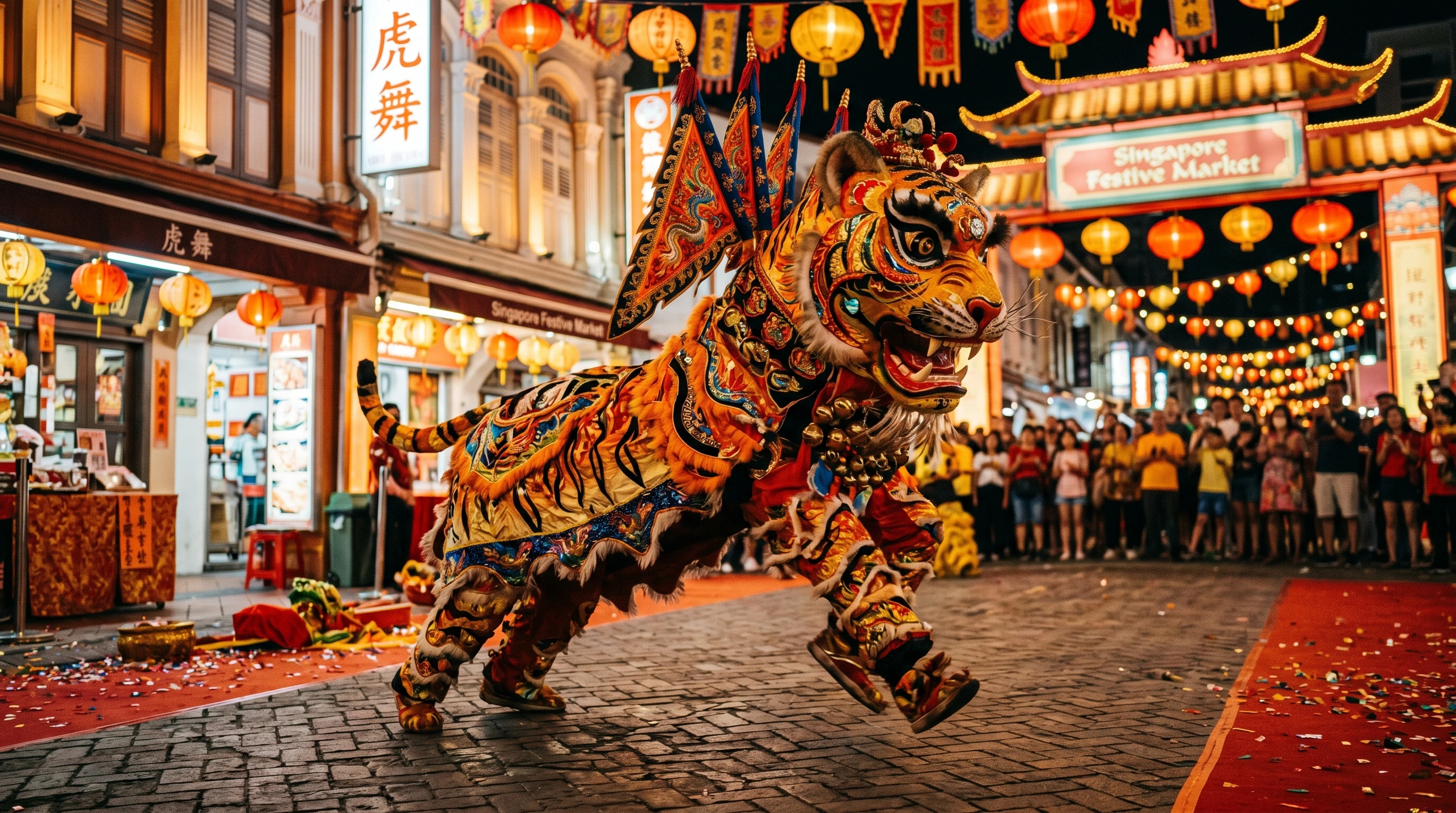
Singapore grabs your attention right away, not just for its towering skyline or its blend of old and new, but for something much deeper: its people. The city-state is packed with cultural diversity, and this really shapes daily life here. You’ll hear it in the languages spoken at hawker centres, see it in the colorful celebrations throughout the year, and taste it in the local food scene. At the heart of this multicultural vibe are the four major races that call Singapore home. If you’ve ever wondered what makes this little nation tick, here’s my take based on living, eating, and chatting my way through its neighborhoods.
Who Are the Four Major Races in Singapore?
When people talk about the four main races or ethnicities in Singapore, they’re referring to the Chinese, Malays, Indians, and Eurasians. These groups have collectively shaped local traditions, food, and even the rhythms of daily routines. Here’s a quick look at each:
- Chinese: Making up the majority, the Chinese community arrived in large waves starting around the 19th century. Many are descendants of migrants from places like Fujian and Guangdong in China.
- Malays: Often seen as the indigenous people of the Malay Archipelago, Malays in Singapore have deep historical roots, long predating British colonization.
- Indians: The Indian community started to grow during the colonial era, mostly from South India, and brought along unique festivals, cuisine, and languages.
- Eurasians: This smaller but prominent group traces its roots to mixed European and Asian ancestry, such as Portuguese, Dutch, British, and local heritage.
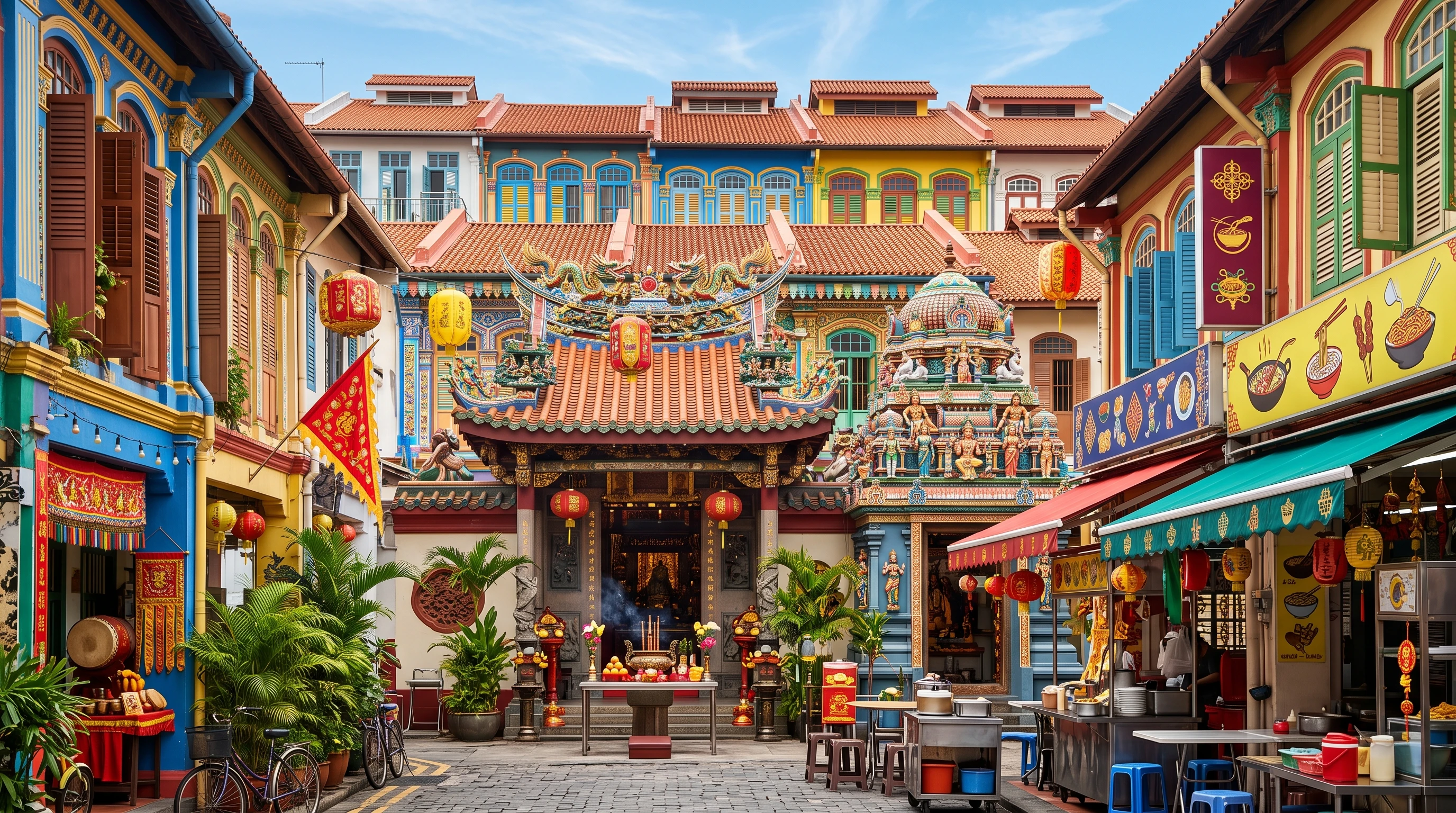
Every one of these groups adds a distinct splash of color to Singapore’s social fabric, from rituals to recipes. If you’re on the ground, you’ll experience all of this in daily life, whether walking around Little India’s spice shops, sipping kopi at a Chinese-run coffeeshop, or enjoying a Malay Hari Raya bazaar. You might also spot Eurasian influences in festive parades and unique fusion foods found only in this part of the world.
Singapore’s Multiracial Identity: More Than a Buzzword
Singapore is, without question, a multiracial country. This isn’t just an official government slogan. It’s something you feel as soon as you start exploring different neighborhoods or chatting with people beyond small talk. Since its independence in 1965, the nation has worked proactively to keep harmony and respect between its various ethnic communities.
Policies like public housing quotas, mother tongue language in schools, and shared national holidays are all efforts to keep a balanced, respectful environment. For me, going to school with classmates from all backgrounds or joining open house events during Deepavali, Chinese New Year, or Hari Raya showed just how closely everyone interacts here. Neighbors visit each other during festivals, share treats, and invite friends of different races to family gatherings. It’s really a lived experience.
For those new to Singapore, seeing four different religious buildings within a few blocks, or a mosque next to a Hindu temple standing across from a church, is a pretty standard sight. This is a country where multiculturalism really works on a daily, practical level. There are also plenty of blend cultures, like the Peranakans (Straits Chinese), who mix Malay and Chinese heritage in both their food and yearly traditions. The sense of inclusion runs deep among residents, even if home languages and rituals vary widely.
The Four Main Ethnic Groups Explained (Beyond Just Their Labels)
Understanding the major races in Singapore goes far beyond just knowing the names. The “CMIO” framework—Chinese, Malay, Indian, Others—is something you’ll hear a lot about locally. Here’s what stands out about each, from my own observations and experiences:
- Chinese: Besides being the largest group, they have a big influence on Singapore’s popular culture and business world. Mandarin, dialects like Hokkien or Cantonese, lion dances, and traditional foods like bak chang (rice dumplings) are all big here. Even popular TV shows and community centers reflect Chinese traditions, making them a core part of the city’s heartbeat.
- Malays: Iconic for their vibrant traditional attire and beautiful call to prayer, Malays also play a key role in local music and arts. Satay, nasi lemak, and kuih (local desserts) are all must-try foods if you want to get a taste of Malay heritage. Their commitment to sharing food and hosting friends during Ramadan creates warm, memorable connections throughout the country.
- Indians: South Indian traditions are especially strong, with spicy curries, dosai, and festivals like Thaipusam popping up annually. Tamil is a common language, and you’ll notice Indian influences in music, jewelry, and even street decorations in places like Little India. There are also North Indian communities who add tastes like naan and creamy curries to the mix, further enriching the local flavor.
- Eurasians: This group is smaller in size but punches above its weight in culture, especially when Christmas rolls around or when sampling food like curry debal or sugee cake. Kollywood (Eurasian-style parties) and western pop culture both have a hand here. Many Eurasians are fluent in English but often celebrate unique blend traditions not found elsewhere in Asia.
With “Others” in the “CMIO” framework, Singapore recognizes people of mixed origin or smaller groups like Peranakans, Arabs, Jews, Filipinos, and Thais who add their own eye-catching customs and flavors into the mix. This is super important because “Others” ensures that everyone has a place in the story, even if they don’t fit neatly into the big three.
The Four Main Cultures Shaping Life in Singapore
Culture in Singapore is shaped by rituals, values, crafts, and, of course, food from the four major races. Here are four key cultural slices that really shape local identity:
- Chinese Culture: Lunar New Year is a highlight, with fireworks, lion dances, and family reunions. Chinese culture centers around family, respect for elders, and traditions passed down over generations. Even everyday things, like the way food is shared or businesses are run, follow these practices. Mooncake Festival and the tradition of making offerings for the Hungry Ghost Festival are additional examples of their customs that have become familiar citywide.
- Malay Culture: Known for strong family ties and a sense of community, Malay culture bursts to life during Hari Raya with open houses and home-cooked feasts. Songket weaving, gamelan music, and colorful traditional clothing define their aesthetic and artistic influence. Warmth and hospitality are big strengths in the Malay community, making gatherings genuine and inclusive for all visitors.
- Indian Culture: Indian culture shows up in rituals, religious festivals, and a love for vivid colors and spices. Deepavali—a festival of lights—and Thaipusam are massive, and the temples during these times are a sight worth checking out. Classical dance, intricate jewelry, and elaborate weddings are all part of the scene. Indian culture also adds Bollywood movies and lively street performances to local celebrations, which anyone can enjoy.
- Eurasian Culture: While it may not be as widely known internationally, Eurasian culture brings together European and Asian charm, especially in cuisine like shepherd’s pie with Asian flavors and family gatherings that mix carols with sambal. Eurasian clubs and music play a role in keeping this community close-knit and welcoming to anyone eager to learn more.
From tea ceremonies to wedding traditions, each cultural group offers something unique. The eye-catching part is how these cultures blend in everyday life. You’ll see Chinese and Malay friends exchanging festive meals, or all races coming together for Singapore’s National Day. Even language is a blend. Singaporeans are famous for ‘Singlish’, a streetwise mashup of English peppered with Malay, Chinese, Tamil, and more. You may even hear new words and slang emerge as these languages mix in surprising, sometimes hilarious ways. If you visit during any major holiday, the city pulses with events from all backgrounds—making it easy to jump into the festivities no matter where you’re from.
Common Questions about Singapore’s Racial Diversity
People usually have a bunch of questions when they first learn about Singapore’s multiracial setup. Here are some that I hear all the time, along with what I’ve seen for myself:
Question: What are the four major races in Singapore?
Answer: Chinese, Malay, Indian, and Eurasian are the main races. You’ll also meet people from all corners of the world, and the government categorizes everyone using the CMIO model (Chinese, Malay, Indian, Others).
Question: Is Singapore a multiracial country?
Answer: Definitely. Singapore is set up as a multiracial nation, and you’ll see Chinese, Malay, Indian, Eurasian, and “Others” mingling in schools, workplaces, and neighborhoods. Official policies make sure this stays balanced and fair. Cultural celebrations are open to everyone, with big festivals and public events featured all over the city every year.
Question: Are there other ethnicities in Singapore?
Answer: Yes, there are plenty of other smaller communities like Peranakans, Arabs, Jews, and people of Filipino or Thai descent. These add even more variety to local customs, restaurants, and events. The official four main groups still get most of the attention, but no one is left out of national celebrations or community life. All are encouraged to take part in the shared sense of unity that defines Singapore.
Question: What are the four main cultures of Singapore?
Answer: The key cultures are Chinese, Malay, Indian, and Eurasian—each with signature music, food, art, festivals, and social customs. Walking through Singapore, you’re pretty much guaranteed to experience all four in some form, often side by side. Shopping centers, parks, and temples often host multicultural events, making every visit different throughout the year.
Why Singapore’s Multiracial Mix Matters
Living in Singapore means seeing every day how blending races and cultures shapes not just food or festivals but even big decisions, like how public spaces are designed or how people relate to each other at school and at work. Anyone spending a few days here quickly notices how deep-rooted these connections are; it’s a city where you can find a halalcertified Chinese eatery, an Indian wedding in a church, or a family that celebrates multiple festive occasions together.
People celebrate this mix not just because it looks good on paper, but because it works out in daily life, creating resilience and lots of space for new ideas. The openness helps everyone settle in and feel at home, whether you’ve just arrived or your family has been in Singapore for generations. With new flavors, customs, and friendships forming all the time, Singapore’s vibrant mix ensures there is always something new to stumble upon. The city doesn’t just tolerate difference—it embraces it, making everyday life that much more nextlevel cool.
You may also like
Compare Orchard Road And Mustafa Which Is The Cheapest Place To Buy