
Tiger dance in Singapore sits right at the intersection of culture, energy, and vivid tradition. If you’ve ever wandered through a festival in Singapore and caught sight of a group of energetic dancers in towering tiger masks, leaping to the beat of loud drums and cymbals, you’re probably already familiar with this eye-catching spectacle. As someone who loves learning about Singapore’s cultural performances, I find the tiger dance a truly memorable part of the city-state’s multicultural scene.
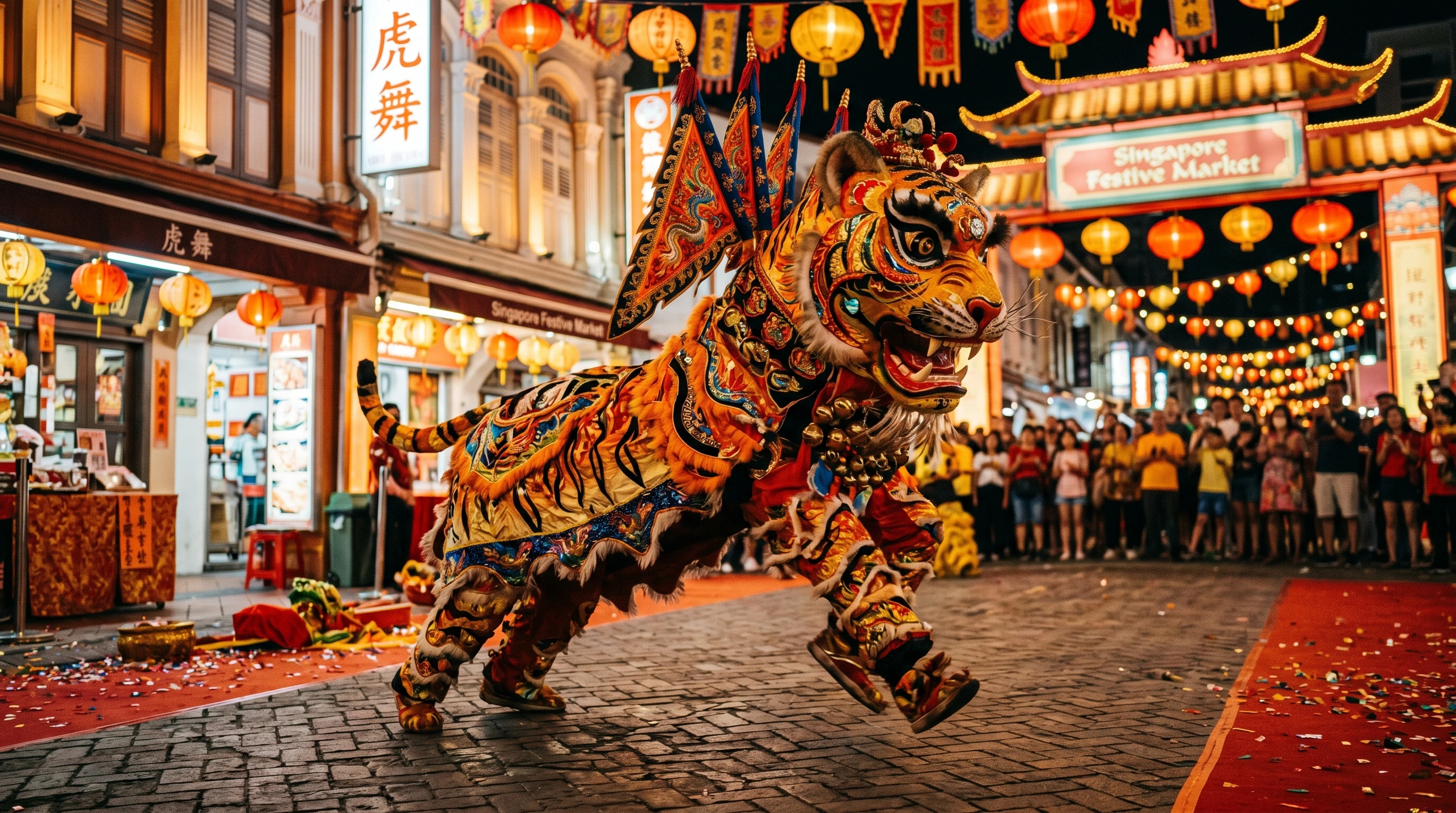
Tiger Dance in Singapore: A Cultural Snapshot
The tiger dance is a traditional folk performance originally rooted in Chinese and South Indian communities but has developed its own style in Singapore. Often known locally as Hu Shi (in Mandarin), it’s usually performed during festive periods like Chinese New Year, Thaipusam, and sometimes at temple openings. Besides entertaining huge crowds, these dances are believed to chase away bad luck and usher in good fortune.
Singapore’s version of the tiger dance blends elements from Chinese and Indian cultural practices. This unique twist speaks a lot about the country’s mixed heritage. It’s common to see the performance at multicultural events or heritage festivals where communities come together and celebrate their differences through vibrant, shared traditions like this.
Costumes are a really big part of the appeal. The main dancer sports a massive tiger head mask, often painted with bold patterns and neon accents, while their body is usually covered in striped attire or paint that mimics a tiger’s skin. You’ll also find smaller tiger masks worn by child performers or supporting dancers. These visual elements make it impossible to ignore the performance, drawing you in even if you’re just passing by.
Beyond the surface, the tiger dance has themes of power and protection. Many performers say the act is meant to remind the audience of the strength needed to overcome challenges. Watching the tiger move through the crowd, you get a feel for the respect performers aim to show for the animal’s significance in Asian folklore and mythology.
What To Expect from a Tiger Dance Singapore Performance
A tiger dance isn’t just about fancy costumes. It’s a super energetic, theatrical act that gets crowds fired up. Here’s how a typical performance unfolds:
- Lively Drums and Cymbals: The rhythm section is loud, upbeat, and non-stop, setting the mood right from the first beat.
- Agile Movements: The main dancer leaps, crouches, and prowls like a real tiger, mimicking stalking, pouncing, and even ‘fighting’ evil spirits.
- Acrobatics: Skilled performers often include flips, somersaults, or stunts (especially at bigger events) to wow the crowd.
- Audience Interaction: Sometimes, dancers interact with the audience, especially children, which creates a playful atmosphere.
- Cultural Symbols: The dance often happens in front of temples, shrines, or during important celebrations, tying it to blessings and community prosperity.
From my front-row experience, it’s pretty clear that a tiger dance show in Singapore focuses on getting folks excited. Performers feed off the audience’s energy, and the music keeps everything lively. Many times, people are invited to join simple movements at the end, so don’t be shy to participate.
Sometimes, there are even trivia sessions or quick cultural quizzes to keep the younger audience members attentive. After the main act, organizers might invite questions and share fun facts about the origins of the dance or the process of making a tiger mask. This helps bridge the gap between performer and audience, deepening the understanding of this tradition.
Roots and Modern Glow-up of Tiger Dance in Singapore
Tiger dance in Singapore has a mixed background, picking up influences as different migrant communities settled on the island. The Chinese version, popular within Hokkien and Teochew groups, is believed to have arrived during the 19th century. On the Indian side, there’s the famous Pulikali (tiger dance) from Kerala, and many Tamil communities have mixed their styles into the local scene as well.
Back in the day, most tiger dances happened in neighborhood temples, markets, or public squares during important dates on the lunar and Hindu calendars. It was common to see elders and children joining together to paint faces or sew costumes before a big day. Today, these preparation rituals are preserved by many traditional troupes, who gather days or even weeks ahead to get everything ready.
In recent years, tiger dance groups in Singapore have introduced modern changes without losing their traditional roots. These updates show up in brighter costumes, use of LED lighting, and choreography that sometimes mixes in martial arts or hiphop moves. Pop-up tiger dance crews often perform at malls, corporate launches, and National Day events, proving that the tradition is staying relevant and fun for younger folks.
Many contemporary tiger dance troupes also include multimedia presentations, such as projected backdrops and interactive soundscapes, helping fans appreciate the folklore and stories that underlie each performance. This creative energy keeps tiger dance evolving even as it honors the old ways.
Planning to Catch a Tiger Dance in Singapore: Tips for 2026
If you want to see tiger dance in Singapore up close, planning ahead pays off. Here’s what to keep in mind for catching a great show in 2026:
- Main Festivals: The biggest shows are at Chinese New Year street celebrations, Thaipusam temple walks, and cultural fests like Chingay Parade. The dates for these festivals shift each year, so keep an eye out once the 2026 event calendars are released.
- Venue Type: Some groups perform at major tourist spots (like Chinatown, Little India, or heritage centers), but the most authentic shows still happen at local temples and hawker center plazas.
- Group Listings: Local performance troupes sometimes post public schedules on social media or community center boards, especially leading up to big holidays. These groups are usually open to tourists and will happily explain the dance’s basics if you show interest.
- Workshops: In recent years, cultural organizations have started offering tiger dance workshops for kids and adults, where you can learn basic steps and even help paint a mask. These are worth checking out if you’re curious about how the dance works behind the scenes.
Singapore’s event calendar for 2026 isn’t out just yet, but festival guides from the Singapore Tourism Board are a good resource. Don’t forget to follow related hashtags or event pages to keep yourself in the loop.
It’s easy to get swept up by the colorful celebrations downtown, but if you really want an all-in-one cultural experience, try seeking out smaller temple events as well. Often, these lesser-known performances let you mingle with locals while seeing the tiger dance in its purest form.
Experiencing Tiger Dance Singapore Culture First-Hand
Watching a tiger dance is one thing, but really getting into the spirit of Singapore’s tiger dance culture means digging deeper. It’s pretty common for families to come together for a tiger dance performance, especially when one of their own is in the troupe. For a lot of folks, it’s a point of local pride to keep the tradition alive.
Interviews with older performers reveal that the dance is more than performance; it’s about bonding, storytelling, and passing down important lessons to younger generations. Many dancers share stories where elders taught them the meaning of each move, or moms spent late nights hand-stitching costumes. All this effort points to tiger dance being about building community, not just putting on a show.
Some newer tiger dance groups make it a point to encourage kids from all backgrounds to take part, especially at community centers. That makes it easier for the next generation to carry on the tradition, possibly with their own creative twists.
Besides public performances and workshops, several local museums have recently hosted mini-exhibitions on the history of tiger dance. Artifacts like vintage tiger masks, photos from past festivals, and short films are displayed; this allows everyone to appreciate the roots and continued growth of this art form.
Challenges and Considerations for Tiger Dance in Singapore
Not everything about tiger dance in Singapore is smooth sailing. Here are a few things performers and organizers pay attention to:
- Costume Care: Tiger masks and body paint can be hot and heavy, so dancers need regular breaks between sets, especially during outdoor events in the heat.
- Noise: The drumming is loud, and permits are sometimes required for performances at night or in residential areas, to keep peace with neighbors.
- Preserving Tradition: There’s always a balance between trying new things and keeping oldschool moves or music in the dance. Older dancers sometimes mentor youth groups to make sure traditions don’t get lost.
- Open Spaces: Some acrobatic moves need flat, safe surfaces, so practices often happen in community centers or sports halls before the big public show.
Despite the challenges, tiger dance groups in Singapore get support from local councils and heritage boards to keep this tradition going strong. This support helps ensure new audiences get exposed to Singapore’s cultural diversity in a way that’s exciting and relatable.
Organizers have also started to publish safety guidelines for tiger dance participants, ensuring everyone knows how to use costume components responsibly without overheating or having accidents onstage.
FAQ: Tiger Dance Singapore
What makes tiger dance special in Singapore?
It brings together influences from Chinese and Indian communities, using energetic music and powerful storytelling to bring folks together. The local version also encourages kids and families to join, so the dance keeps evolving.
Where can I see a tiger dance in Singapore?
Your best bet is during major festivals in Chinatown, Little India, or temple events around the city. Social media or the Singapore Tourism Board’s updates can point you to where the next performance will pop up.
Can visitors join in?
Many community versions of the dance welcome newcomers or volunteers, especially at workshops. Joining one isn’t just fun, it’s also a great way to meet locals and learn more than you would from watching alone.
Is tiger dance still popular today?
Yes, and it’s getting new energy from young performers adding their own style. As Singapore continues to grow and mix cultures, traditions like tiger dance remain a cool way to experience the city’s roots and creative spirit.
Tiger Dance Singapore 2026: What’s Next?
By 2026, tiger dance in Singapore is set to roll out fresh, creative events that blend tradition with a modern twist. Expect to see troupes using smart lighting, live streaming parts of their shows, and maybe even team ups with pop musicians. If you’re visiting or living in Singapore, adding a tiger dance performance to your calendar for 2026 is a solid way to catch a living tradition in action. Keep your eyes on community boards, event listings, and those bustling heritage neighborhoods for the latest info.
Tiger dance continues to be one of Singapore’s most vibrant, magnetic performances. Its mix of history, highenergy moves, and community roots means you’re in for a unique slice of Singaporean culture. Whether you’re a firsttimer or a local looking for something to fire up your festive season, the tiger dance is an experience you shouldn’t miss.