Singapore Is A Country With Four Major Races

Singapore grabs your attention right away, not just for its towering skyline or its blend of old and new, but for something much deeper: its people. The city-state is packed with cultural diversity, and this really shapes daily life here. You’ll hear it in the languages spoken at hawker centres, see it in the colorful celebrations throughout the year, and taste it in the local food scene. At the heart of this multicultural vibe are the four major races that call Singapore home. If you’ve ever wondered what makes this little nation tick, here’s my take based on living, eating, and chatting my way through its neighborhoods.

A vibrant blend of Singaporean shophouses, temples, and food stalls with symbolic cultural decorations

Who Are the Four Major Races in Singapore?

When people talk about the four main races or ethnicities in Singapore, they’re referring to the Chinese, Malays, Indians, and Eurasians. These groups have collectively shaped local traditions, food, and even the rhythms of daily routines. Here’s a quick look at each:

  • Chinese: Making up the majority, the Chinese community arrived in large waves starting around the 19th century. Many are descendants of migrants from places like Fujian and Guangdong in China.
  • Malays: Often seen as the indigenous people of the Malay Archipelago, Malays in Singapore have deep historical roots, long predating British colonization.
  • Indians: The Indian community started to grow during the colonial era, mostly from South India, and brought along unique festivals, cuisine, and languages.
  • Eurasians: This smaller but prominent group traces its roots to mixed European and Asian ancestry, such as Portuguese, Dutch, British, and local heritage.

Every one of these groups adds a distinct splash of color to Singapore’s social fabric, from rituals to recipes. If you’re on the ground, you’ll experience all of this in daily life, whether walking around Little India’s spice shops, sipping kopi at a Chinese-run coffeeshop, or enjoying a Malay Hari Raya bazaar. You might also spot Eurasian influences in festive parades and unique fusion foods found only in this part of the world.

Singapore’s Multiracial Identity: More Than a Buzzword

Singapore is, without question, a multiracial country. This isn’t just an official government slogan. It’s something you feel as soon as you start exploring different neighborhoods or chatting with people beyond small talk. Since its independence in 1965, the nation has worked proactively to keep harmony and respect between its various ethnic communities.

Policies like public housing quotas, mother tongue language in schools, and shared national holidays are all efforts to keep a balanced, respectful environment. For me, going to school with classmates from all backgrounds or joining open house events during Deepavali, Chinese New Year, or Hari Raya showed just how closely everyone interacts here. Neighbors visit each other during festivals, share treats, and invite friends of different races to family gatherings. It’s really a lived experience.

For those new to Singapore, seeing four different religious buildings within a few blocks, or a mosque next to a Hindu temple standing across from a church, is a pretty standard sight. This is a country where multiculturalism really works on a daily, practical level. There are also plenty of blend cultures, like the Peranakans (Straits Chinese), who mix Malay and Chinese heritage in both their food and yearly traditions. The sense of inclusion runs deep among residents, even if home languages and rituals vary widely.

The Four Main Ethnic Groups Explained (Beyond Just Their Labels)

Understanding the major races in Singapore goes far beyond just knowing the names. The “CMIO” framework—Chinese, Malay, Indian, Others—is something you’ll hear a lot about locally. Here’s what stands out about each, from my own observations and experiences:

  • Chinese: Besides being the largest group, they have a big influence on Singapore’s popular culture and business world. Mandarin, dialects like Hokkien or Cantonese, lion dances, and traditional foods like bak chang (rice dumplings) are all big here. Even popular TV shows and community centers reflect Chinese traditions, making them a core part of the city’s heartbeat.
  • Malays: Iconic for their vibrant traditional attire and beautiful call to prayer, Malays also play a key role in local music and arts. Satay, nasi lemak, and kuih (local desserts) are all must-try foods if you want to get a taste of Malay heritage. Their commitment to sharing food and hosting friends during Ramadan creates warm, memorable connections throughout the country.
  • Indians: South Indian traditions are especially strong, with spicy curries, dosai, and festivals like Thaipusam popping up annually. Tamil is a common language, and you’ll notice Indian influences in music, jewelry, and even street decorations in places like Little India. There are also North Indian communities who add tastes like naan and creamy curries to the mix, further enriching the local flavor.
  • Eurasians: This group is smaller in size but punches above its weight in culture, especially when Christmas rolls around or when sampling food like curry debal or sugee cake. Kollywood (Eurasian-style parties) and western pop culture both have a hand here. Many Eurasians are fluent in English but often celebrate unique blend traditions not found elsewhere in Asia.

With “Others” in the “CMIO” framework, Singapore recognizes people of mixed origin or smaller groups like Peranakans, Arabs, Jews, Filipinos, and Thais who add their own eye-catching customs and flavors into the mix. This is super important because “Others” ensures that everyone has a place in the story, even if they don’t fit neatly into the big three.

The Four Main Cultures Shaping Life in Singapore

Culture in Singapore is shaped by rituals, values, crafts, and, of course, food from the four major races. Here are four key cultural slices that really shape local identity:

  • Chinese Culture: Lunar New Year is a highlight, with fireworks, lion dances, and family reunions. Chinese culture centers around family, respect for elders, and traditions passed down over generations. Even everyday things, like the way food is shared or businesses are run, follow these practices. Mooncake Festival and the tradition of making offerings for the Hungry Ghost Festival are additional examples of their customs that have become familiar citywide.
  • Malay Culture: Known for strong family ties and a sense of community, Malay culture bursts to life during Hari Raya with open houses and home-cooked feasts. Songket weaving, gamelan music, and colorful traditional clothing define their aesthetic and artistic influence. Warmth and hospitality are big strengths in the Malay community, making gatherings genuine and inclusive for all visitors.
  • Indian Culture: Indian culture shows up in rituals, religious festivals, and a love for vivid colors and spices. Deepavali—a festival of lights—and Thaipusam are massive, and the temples during these times are a sight worth checking out. Classical dance, intricate jewelry, and elaborate weddings are all part of the scene. Indian culture also adds Bollywood movies and lively street performances to local celebrations, which anyone can enjoy.
  • Eurasian Culture: While it may not be as widely known internationally, Eurasian culture brings together European and Asian charm, especially in cuisine like shepherd’s pie with Asian flavors and family gatherings that mix carols with sambal. Eurasian clubs and music play a role in keeping this community close-knit and welcoming to anyone eager to learn more.

From tea ceremonies to wedding traditions, each cultural group offers something unique. The eye-catching part is how these cultures blend in everyday life. You’ll see Chinese and Malay friends exchanging festive meals, or all races coming together for Singapore’s National Day. Even language is a blend. Singaporeans are famous for ‘Singlish’, a streetwise mashup of English peppered with Malay, Chinese, Tamil, and more. You may even hear new words and slang emerge as these languages mix in surprising, sometimes hilarious ways. If you visit during any major holiday, the city pulses with events from all backgrounds—making it easy to jump into the festivities no matter where you’re from.

Common Questions about Singapore’s Racial Diversity

People usually have a bunch of questions when they first learn about Singapore’s multiracial setup. Here are some that I hear all the time, along with what I’ve seen for myself:

Question: What are the four major races in Singapore?
Answer: Chinese, Malay, Indian, and Eurasian are the main races. You’ll also meet people from all corners of the world, and the government categorizes everyone using the CMIO model (Chinese, Malay, Indian, Others).


Question: Is Singapore a multiracial country?
Answer: Definitely. Singapore is set up as a multiracial nation, and you’ll see Chinese, Malay, Indian, Eurasian, and “Others” mingling in schools, workplaces, and neighborhoods. Official policies make sure this stays balanced and fair. Cultural celebrations are open to everyone, with big festivals and public events featured all over the city every year.


Question: Are there other ethnicities in Singapore?
Answer: Yes, there are plenty of other smaller communities like Peranakans, Arabs, Jews, and people of Filipino or Thai descent. These add even more variety to local customs, restaurants, and events. The official four main groups still get most of the attention, but no one is left out of national celebrations or community life. All are encouraged to take part in the shared sense of unity that defines Singapore.


Question: What are the four main cultures of Singapore?
Answer: The key cultures are Chinese, Malay, Indian, and Eurasian—each with signature music, food, art, festivals, and social customs. Walking through Singapore, you’re pretty much guaranteed to experience all four in some form, often side by side. Shopping centers, parks, and temples often host multicultural events, making every visit different throughout the year.


Why Singapore’s Multiracial Mix Matters

Living in Singapore means seeing every day how blending races and cultures shapes not just food or festivals but even big decisions, like how public spaces are designed or how people relate to each other at school and at work. Anyone spending a few days here quickly notices how deep-rooted these connections are; it’s a city where you can find a halalcertified Chinese eatery, an Indian wedding in a church, or a family that celebrates multiple festive occasions together.

People celebrate this mix not just because it looks good on paper, but because it works out in daily life, creating resilience and lots of space for new ideas. The openness helps everyone settle in and feel at home, whether you’ve just arrived or your family has been in Singapore for generations. With new flavors, customs, and friendships forming all the time, Singapore’s vibrant mix ensures there is always something new to stumble upon. The city doesn’t just tolerate difference—it embraces it, making everyday life that much more nextlevel cool.

Compare Orchard And Mustafa Which Is The Cheapest Place To Buy

If you love shopping in Singapore, you’ve probably heard plenty about both Orchard Road and Mustafa Centre. These two places couldn’t be more different, but both attract shoppers looking for good deals and variety. I’ve spent time wandering the malls of Orchard and getting lost in the aisles at Mustafa, so I’m sharing my take on which spot gives you the best bang for your buck. The answer isn’t always straightforward, and several factors might sway your preference.

Shopping district in Singapore with storefronts and lights

Breaking Down the Shopping Scene: Orchard vs. Mustafa

Orchard Road is famous as Singapore’s main shopping belt, lined with sparkling malls, luxury brands, trendy boutiques, and midrange stores. Mustafa Centre, on the other hand, is a 24-hour megamart in Little India where you can track down everything from gold jewelry to kitchen gadgets, groceries, electronics, and discount perfume. If you like glitzy buildings and relaxing with strong air conditioning, Orchard fits the bill. If you’re more about the thrill of the hunt and scoring unexpected bargains, Mustafa might be your place.

Years of visiting both have taught me each one has its charm. Orchard attracts influencers and tourists who love trying on the latest trends under bright lights. Mustafa attracts locals on a mission, shoppers from all walks of life grabbing cooking supplies, souvenirs, or a replacement phone charger. Both are worth checking out—just bring the right expectations and comfy footwear!

Pricing and Product Value: Where Do You Actually Save?

When we dig into prices, Mustafa Centre usually gets the crown for budget shoppers. If the goal is stretching every dollar, Mustafa offers just about everything you could want, and often at lower prices than you’ll find at Orchard’s branded stores. Items like toiletries, household goods, snacks, souvenirs, and simple electronics usually come cheaper at Mustafa. I’ve picked up bulk snacks, power strips, and hard-to-find brands at prices well below supermarket rates.

Orchard Road isn’t really known for rock-bottom pricing, especially at stores featuring big international labels. However, it’s worth noting that during the Great Singapore Sale, or in specific outlet shops like Don Don Donki, Uniqlo, or when there are department store promotions, you’ll get some decent deals. Ultimately, if the lowest price is what you want, Mustafa is likely the winner. You’ll need to be prepared to do a bit of searching though, as products aren’t as organized and the shelves can get crowded quickly.

But value isn’t just about sticker price. While Mustafa’s prices are generally tough to beat, some shoppers value the assurance and ambience of Orchard shops, or might want the browsing experience of a bright, air-conditioned mall, making the experience itself worth the premium.

Bargaining and the Overall Shopping Experience

Bargaining is rarely an option at Orchard Road. Most shops there use fixed pricing, and unless you’re splurging at luxury boutiques or specialized electronics outlets, don’t expect discounts. You might find loyalty cards and cashback offers at department stores, but that’s about as far as deals go.

Mustafa Centre is different. It’s not the place for haggling, but it feels more like a whirlwind treasure hunt. You’ll find aisles packed to the brim and staff moving rapidly. It’s organized chaos and there’s a sense of adventure in never quite knowing what you’ll stumble across. If you like comparing products and stacking your own basket, it’s fun, but sometimes overwhelming. The convenience is great, too—Mustafa never closes, so it’s my go-to for last-minute gifts or forgotten essentials.

If you’re used to beautifully arranged window displays or themed mall events, Orchard delivers comfort. There are plenty of cafes, festive popups, and even art installations during certain holidays. Mustafa, on the other hand, is more utilitarian, but nothing matches its sense of affordable abundance.

Comparing Electronics and Luxury Items

Electronics are a big purchase, and this is where Orchard and Mustafa really switch it up. At Mustafa Centre, you’ll see shelves of phones, cameras, appliances, and accessories with prices marked clearly. For basic gadgets and small electronics, Mustafa’s prices are tough to beat. I’ve bought simple headphones and memory cards for less than I’ve seen elsewhere. However, for the latest-model phones or sought-after electronics, selection may be limited, and sometimes you get parallel-imported (non-official Singapore warranty) items.

Orchard Road’s electronics stores (like Best Denki, Challenger, and those inside Lucky Plaza) typically have a full range of the latest gadgets. Prices can be higher, but you get full in-store service, official Singapore warranty coverage, and the assurance of a retail chain. Don’t expect much room to negotiate. When it comes to highend luxury goods—watches, designer bags, branded shoes—Orchard wins outright. While Mustafa does carry gold jewelry and some luxury perfume, most big fashion brands are exclusive to the malls along Orchard.

It’s worth adding that certain tech shops along Orchard Road sometimes run seasonal specials, bundle deals, or clearance sales. This makes Orchard a possible contender for those looking for specific bargains or product launches.

What About Convenience and Accessibility?

Getting to both Orchard Road and Mustafa Centre is a breeze, thanks to Singapore’s superefficient MRT system. Orchard has multiple train stops—Orchard, Somerset, and Dhoby Ghaut—dropping you right in the middle of the action. Easy walking connections link up malls, and you’ll find plenty of places to eat or rest between shopping sprees. Mustafa is a little more offbeat. It’s a short walk from Farrer Park MRT, and the experience feels more tightly packed and local. Its 24-hour schedule is a gamechanger, letting you shop whenever you want, which is a huge plus for late-night planners or those trying to avoid daytime crowds.

Orchard’s malls have more formal dining options, lots of air conditioning, and seating areas for you to catch a break. Mustafa is much more no-frills, but if you love that local market vibe and the thrill of stumbling onto unexpected finds, it can be a blast—just know there’s less room to relax.

Things Worth Considering Before You Shop

  • Purpose of Shopping: If you’re up for a pleasant browsing experience, air conditioning, and are fine with paying more for branded buys, Orchard is the way to go. Bargain hunters or people needing to tick off a big shopping list (including groceries and daily life items) find Mustafa super practical.
  • Warranty & Authenticity: With expensive electronics or branded goods, always double-check warranty coverage and authenticity. Orchard’s shops usually have clearer policies, while Mustafa sometimes stocks parallel-imported items with different terms. Don’t skip asking for a breakdown before big purchases.
  • Opening Hours: Need to shop outside regular hours? Mustafa’s 24-hour opening can’t be matched by any mall along Orchard Road, giving you unmatched flexibility.
  • Atmosphere: Do you like a laid-back, comfy mall vibe, or do you thrive in the hustle and sense of adventure that comes with bargain shopping in a bustling part of the city?

Tips to Make Your Shopping Trip Worth It

  • Check Prices Online: Sometimes, Singapore’s online stores outdo prices at either location, especially for electronics. A quick search and comparison pays off. Shop smart!
  • Bring a List: Mustafa can be overwhelming, so having a shopping list keeps you focused (and guards against the temptation to buy things just because they’re cheap).
  • Go During OffPeak Hours: Mustafa crowds up, especially on weekends. Orchard malls get busy in the evenings and when the big sales roll around. Mornings and weekdays are generally quieter in both spots.
  • Look for Store Events: Orchard often hosts pop-up sales, in-store events, and product launches that unlock special discounts. Get the scoop by checking mall event calendars ahead of your trip.
  • Bring Cash and Card: Most places now accept cards or contactless pay, but some stalls in smaller areas (or at Mustafa for tiny buys) still work best with cash.
  • Mind the Time Limits: Orchard parking is usually expensive, and sometimes there are time-limited deals around. Stay aware to avoid unexpected charges or missed specials.

Frequently Asked Questions

Where can I find the cheapest groceries?
The best spot for bargain groceries is definitely Mustafa Centre. You’ll spot all sorts of imported snacks, spices, and household basics at prices lower than most supermarkets. Don’t miss the late-night deals—sometimes the best finds are refilled after midnight!


Is Mustafa always cheaper than Orchard Road?
For most day-to-day goods and basic electronics, yes. But for limited edition brands or highend luxury products, Orchard Road is where to go. You’ll pay a premium, but get the atmosphere, peace of mind on warranties, and official service guarantees.


Can I buy branded electronics at Mustafa?
You can, but the range may be narrower. Sometimes you’ll see parallel-imported stock. At Orchard, you get official Singapore warranty and the full after-sales support, but generally at a higher price point.


Is it okay to shop at Mustafa late at night?
Absolutely! Mustafa Centre is open 24-7, and late-night visits are generally less crowded. Safety is good, but as anywhere busy, keep an eye on your belongings and bags.

My Take: Where Should You Buy?

If you’re looking for the ultimate deals—especially on everyday items and accessories—Mustafa Centre is tough to beat. For official warranties, luxury goods, and a smoother shopping experience, Orchard Road’s dazzling malls are your best bet. If you don’t mind crowds and don’t mind digging for what you want, Mustafa gives real value. On the flip side, if you’re hoping for a more relaxing, upscale spree, or are in search of something exclusive, you’ll love Orchard even if it costs a little more. They both bring their own vibe to the shopping game. Bottom line: pick based on what’s more important to you, whether that’s saving money or soaking up the scene—Singapore truly offers both worlds under one city skyline.

Gst Refund Singapore

  • Getting a GST refund in Singapore is pretty attractive for travelers who want a bit of savings on their shopping spree. If you’re visiting Singapore, keeping track of your purchases and understanding how the GST refund scheme works can really pay off. Singapore’s Goods and Services Tax (GST) is a form of value added tax charged on most goods and services, but as a tourist, you might be able to reclaim a portion of it before heading home.

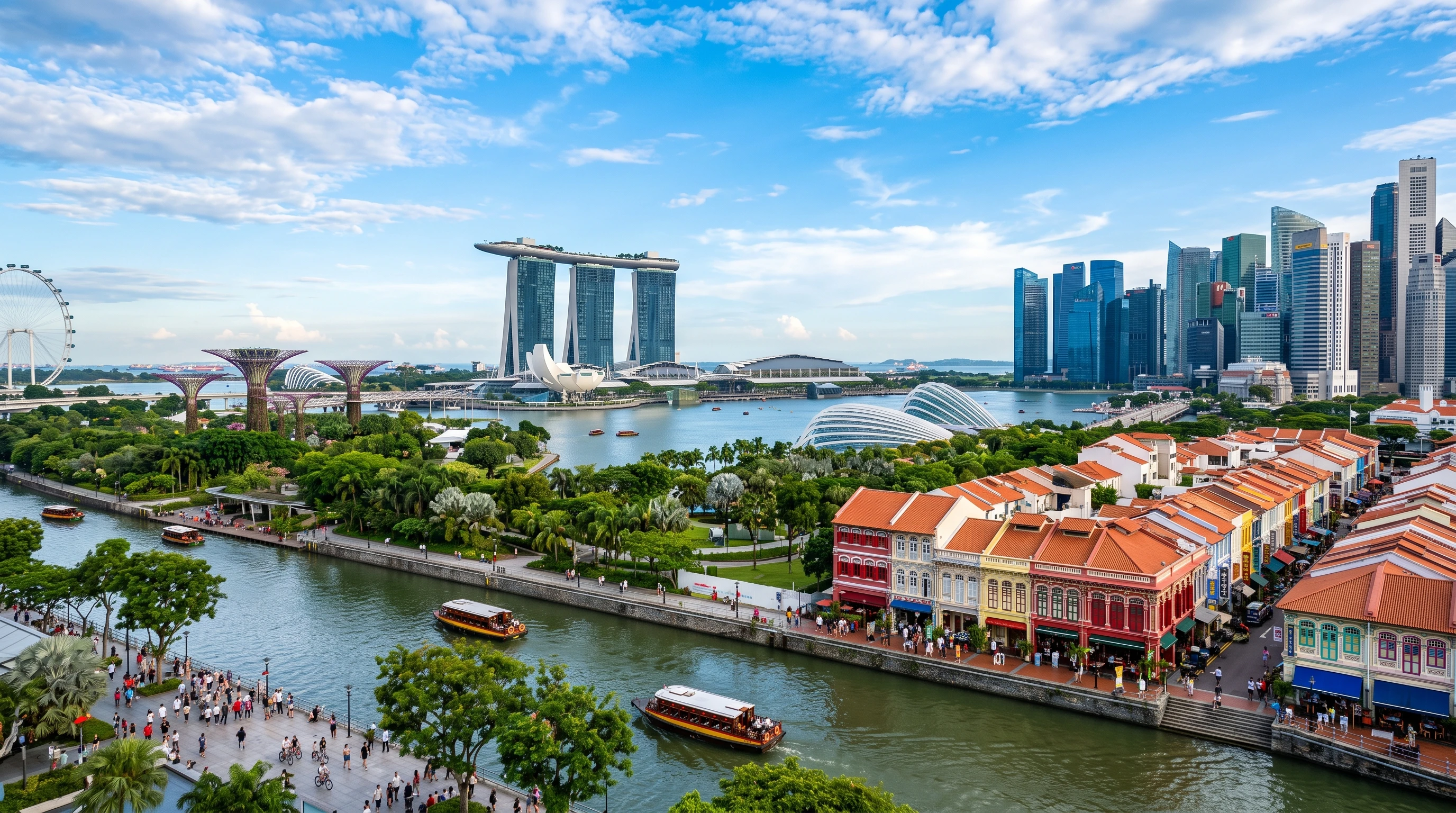
Marina Bay Sands and shopping district in Singapore

How GST Refund Works in Singapore

Singapore’s tourist refund scheme lets eligible visitors reclaim the GST paid on purchases made at participating stores. The current GST rate in Singapore is 9%, so if you’re spending a fair bit, the refund can add up. But the process only works if you meet specific criteria and follow the steps. Here’s what you need to know from start to finish. The process may feel a little detailed, but with careful planning, it can be seamless and rewarding.

Eligibility Criteria for GST Refund

Not everyone can claim a GST refund in Singapore. The scheme is designed mainly for tourists who are leaving Singapore by air or sea. Here are the main points you’ll want to check:

  • You must not be a Singapore citizen or permanent resident. If you’re holding a student or work pass, you need to have been in Singapore for less than 365 days in the past 24 months and not worked during your visit.
  • You must depart Singapore from Changi Airport or Seletar Airport, or via the international cruise terminals at Marina Bay Cruise Centre or Singapore Cruise Centre. Land exits, like crossing into Malaysia, don’t count for GST refund.
  • Your purchases must come from participating shops displaying the familiar “Tax Free” or “GST Refund” logo.
  • Your minimum purchase must be SGD $100 (including GST) at the same shop on the same day. If you want to combine receipts to hit the SGD $100 minimum, shops can help consolidate them, but only if it’s the same branch and day.
  • The goods must be brought out of Singapore within two months from the date of purchase.
  • You have to carry the goods with you as handcarry luggage through the airport or cruise terminal. There are some exceptions, like bulky items, but for most products, this rule applies.

Shopping at Participating Stores

Stores that join the GST refund program are easy to spot. They have dedicated signs or window decals that say “Tax Free Shopping” or “GST Refund.” Before paying, ask the cashier if they offer GST refund and tell them you’re a visitor. Here’s what’s usually required at the store:

  • Have your passport ready. Staff will want to check this to confirm your tourist status.
  • Request a refund ticket or eTRS (Electronic Tourist Refund Scheme) receipt. After paying, the store will issue an eTRS receipt linked to your passport or credit card. This will be important later.
  • Double check details. Make sure your name and passport number are accurate on the refund receipt or eTRS slip. Mistakes can create hassles at the airport.

Most big shopping malls and stores around Orchard Road, Marina Bay, and downtown Singapore are enrolled in the GST refund system. But it’s still a good idea to check every time, because smaller shops or local markets might not be part of the scheme.

Preparing for the GST Refund at the Airport or Cruise Terminal

The final step for your GST refund happens as you leave Singapore. Heading to the airport, try to give yourself some extra time before your flight, because you may need to queue at the refund kiosks, especially during peak travel seasons. Even seasoned travelers sometimes get caught out by longer lines. Planning a headstart can make the process less stressful and gives you flexibility if anything unexpected pops up.

What to Bring

  • Your goods and all receipts. Have your purchased items handy in your carryon luggage. Customs officers sometimes want to see the physical goods before approving the refund claim.
  • Your passport. The details must match the eTRS receipts issued at the stores.
  • Your boarding pass (if you’re flying out).

Using the eTRS SelfHelp Kiosks

Singapore’s refund system is digital, so you’ll be looking for eTRS selfhelp kiosks at the departure hall (before immigration). Here’s how the kiosks work:

  1. Scan your passport or the credit card used for your purchases. The eTRS kiosks will pull up all linked claims.
  2. Follow the on screen instructions, select which refunds to process, and answer a few questions about your goods.
  3. You might be asked to show your items at a customs inspection counter next to the kiosk, especially for higher value claims.
  4. Once everything is checked, the system processes your GST refund and you’ll get a notification slip telling you how much will be refunded and how it will be paid.

Tip for Bulky Items or Checked Luggage

If you want to claim GST refund for big items that must go in checked luggage, like electronics or artwork, there’s a special counter before you check your bags. You’ll need to show both the goods and receipts to Customs before handing over your luggage. It can be helpful to allow additional time when handling larger or specialty goods, since the process sometimes involves more paperwork or scrutiny.

Refund Methods: How Will the Money Get to You?

Getting your GST refund is pretty easy once you finish the kiosk process, but the payout methods can vary. Here’s what you can pick:

  • Credit Card Refund: Fast and convenient, the refunded amount goes back to the credit card you link at the kiosk. This usually takes between 7 and 10 business days. Some travelers find this method the simplest, as you won’t need to handle extra cash or wait in a different queue.
  • Cash Singapore Dollars (SGD): Some terminals have counters where you can collect cash directly, often right after processing your claim. Check the signage or ask staff if you’re not sure. Be aware though, certain amounts may only be available via ewallet or credit card, so always check what’s available at your departure terminal.
  • Alipay or other ewallets: If you use apps like Alipay, this can make the process instant, especially handy for visitors from China. Some ewallets may have transaction limits or additional steps, so look into what works best for your needs before heading to the kiosk.

The refund isn’t 100% of the GST amount paid because there is a small administrative fee deducted. The receipt or eTRS slip will show the final figure. For larger claims, Customs might be more diligent in checking documentation and goods.

Common Pitfalls to Watch Out For

Even if you follow the steps, there are a few hiccups that can cost you your refund. Here are mistakes travelers sometimes make:

  • Packing purchased items in checked bags. You’ll need to show the goods at the airport, so keep them in your hand luggage unless it’s a large item.
  • Not consolidating receipts. Missing the SGD $100 threshold by splitting purchases over different receipts can disqualify you from a claim.
  • Damaged or missing eTRS receipts. Without these, your claim can’t be processed at the kiosk.
  • Leaving from a land checkpoint. Only air and sea departures qualify.
  • Exceeding the two month export period. Waiting too long to leave Singapore means your purchases no longer qualify.

Frequently Asked Questions about GST Refund in Singapore

Here are some quick answers to questions many visitors have:

Can I claim a GST refund if I’m a student living in Singapore?
If you’re holding a student pass and have been in Singapore less than a year, you may qualify if you haven’t worked during your stay.


What happens if my flight changes or I miss my flight?
The goods need to be physically taken out of Singapore within two months of purchase. If you miss your flight or have a change of plans, your refund might not process unless you meet the original departure conditions.


Is there a minimum refund amount?
Most stores have a minimum spend of SGD $100 per store, per day. There isn’t usually a lower limit on the refund amount, but the usual admin fee applies.


Extra Tips for a Smooth GST Refund Experience

  • Keep your receipts organized. Use an envelope or folder so you don’t lose the eTRS slips. Make a habit to review your receipts before leaving each shop so any issues can be fixed right away.
  • Factor in extra time at the airport. Sometimes the eTRS kiosk can get crowded, and the customs inspections can be slow during busy seasons. Arriving earlier than you think you need can relieve the stress of waiting behind long lines or dealing with last minute paperwork.
  • Check refund policy updates. Singapore’s GST rules and the eTRS process sometimes change, so it’s good to review the official IRAS website before you fly. There might be updates to refund rates, eligible items, or departure procedures.

Final Thoughts

Getting a GST refund in Singapore is pretty straightforward if you stick to the rules and keep your paperwork handy. I always tell people to double check eligibility before buying, keep everything you buy in your handcarry, and allow for extra airport time to process your refund claim. It’s a simple way to get a little extra spending power before leaving Singapore, and who doesn’t like a great shopping deal on the way home? Make GST refund part of your travel checklist and you’ll leave Singapore with both great memories and a wallet that feels a little fuller.

Tax Refund In Singapore

Getting a tax refund in Singapore often comes down to knowing what you qualify for and understanding the different processes involved, especially if you’re a local resident or a tourist. The system here is pretty efficient once you know the steps, but a lot of people aren’t exactly sure where or how to get started. Here’s a practical guide that breaks everything down, covers frequently asked questions, and points out some things that can make getting your tax refund in Singapore a lot simpler.

Singapore skyline with Marina Bay Sands and the Esplanade

Basics of Tax Refunds in Singapore

Singapore’s main tax refund scheme is most commonly experienced through the Goods and Services Tax (GST) refund. For most residents, the tax system is built around income tax returns rather than the concept of a direct refund, unless you’ve overpaid. Tourists enjoy the GST refund program, which lets them claim back GST on shopping before departing the country. Understanding how both systems work is pretty handy, whether you live here, are working temporarily, or just visiting.

The GST Refund is different from typical tax returns. Instead of an annual process, it’s about shopping and getting back the GST paid on goods you take out of the country. Meanwhile, personal income taxpayers mainly interact with refunds through adjustments or excess tax paid to Inland Revenue Authority of Singapore (IRAS). In both cases, knowing the latest requirements and using the available online tools can save you time and help you avoid common headaches.

Where Can I Claim a Tax Refund in Singapore?

For income tax situations, locals and residents don’t physically “claim” refunds at a location. Everything is managed online through the IRAS myTax Portal. Once IRAS processes your tax assessment and finds you’ve paid more tax than needed; maybe from monthly deductions at work or excess payments, you’ll automatically receive a refund to your bank account. You can track your tax matters or ask for a review using the myTax Portal.

Tourists, however, have a very specific process when it comes to GST refunds. The main places you’ll deal with are Changi Airport and Seletar Airport. These are the designated points for tourists to claim tax refunds before they leave Singapore with their purchases. GST refund counters are clearly marked in departure halls, and there are also selfhelp kiosks that speed things up. Just be sure to keep your original receipts, purchased goods (unused), and your passport handy since you’ll need them for verification.

How to Get a Tax Return in Singapore

If you’re a Singapore resident or a foreign employee who’s paid income tax here, your tax return (which basically means your official tax statement after assessment) is mostly done online. You file your annual income tax return with IRAS between March and April each year, listing your earnings, deductions, and reliefs. After IRAS reviews your submission, they’ll send you a Notice of Assessment stating how much tax is owed or if you qualify for a refund.

If you have overpaid, for example, through the monthly GIRO system or through direct withholding, you’ll receive your refund by direct bank transfer. This usually happens within a month after the tax assessment is finalized. There’s no need to make a special request; the process is automatic if you’ve already provided your banking information in the myTax Portal. If you haven’t, make sure you update those details so your money doesn’t get stuck.

In some edge cases, residents might notice discrepancies after the assessment period. If so, you can ask for a review through the myTax Portal or contact IRAS help services. Staying on top of deadlines is key, as missing the filing window can delay your tax return or even trigger penalties.

GST Refund: Do Tourists Get a Tax Return?

Tourists definitely get the most straightforward tax refunds in Singapore thanks to the Tourist Refund Scheme (TRS). When you buy goods from affiliated retailers, you can ask for a GST refund as long as:

  • You’re a visitor (not holding a Singapore passport or a work permit)
  • Your purchases are from GST-registered shops offering the TRS
  • You spend at least S$100 (including GST) in a single day at one store
  • You’re bringing the goods out of Singapore within two months of purchase

Not all items are eligible. Things like services, hotel bills, and goods consumed or used in Singapore aren’t covered. The TRS in Singapore is run by electronic systems, making it a lot faster. Before your flight, you’ll do the claim at Changi Airport or Seletar Airport using GST Refund selfhelp kiosks. Follow the prompts, scan your receipts, and present your purchases with your passport. Once approved, you choose how you want your refund: cash, credit card, or bank transfer. Electronic refunds can sometimes offer faster processing, especially if you’re in a rush.

How Much Can You Get Back as a Tax Refund in Singapore?

The amount you get back depends on the GST paid. Singapore’s GST rate is 9% as of 2024. For tourists, you’ll get back a portion of the GST paid, minus a processing fee (usually around S$100 per retailer per day required to meet the minimum spend; in practice, if you buy S$300 worth, you might see around S$24 returned after fees). Large purchases might qualify for slightly bigger refunds if you bundle your receipts or visit partner outlets on the same day. Check the fine print at each store for promo deals that can make your refund stretch further.

For residents, the amount refunded depends on your unique tax situation. If you’ve overpaid, the full overpaid amount comes back to you. People who receive too much in benefits or accidentally underpaid usually have to settle the balance rather than receive a refund. Full details, including the latest rates, are available on the IRAS website.

How to Claim the GST Refund (Tourist Refund Scheme)

The GST refund for tourists follows a straightforward system. Here’s a walkthrough of the steps, a lifesaver if you’re new to the process:

  1. Shop at a store offering the Tourist Refund Scheme (look for the blue “Tax Free” or “eTRS” logo).
  2. Ask the retailer for an eTRS ticket during payment and provide your passport. The ticket records your purchase for the refund system.
  3. Before leaving Singapore, head to the eTRS selfhelp kiosks at Changi or Seletar Airport. Scan your eTRS tickets and passport to start the claim process.
  4. Show your purchases, tickets, and passport for inspection if requested. This is random, but if selected, it’s best the goods are unused and easily accessible in your hand luggage.
  5. Choose your refund method: credit card, cash, or Alipay (for some travelers). Cash is usually dispensed at a separate counter.

There’s a sevenday deadline for finalizing your claim after you create it at the airport. If you forget or run out of time, you may miss out on the refund, so give yourself enough time before your flight. For travelers with a late-night flight or stopover, make a game plan as lines can get long during peak travel seasons. Keeping digital copies of your purchase receipts saved in your phone is a pro tip, just in case you misplace the originals.

Key Things to Watch Out For

  • Keep Receipts and eTRS Tickets: You need these for proof and to process your refund.
  • Goods Must Leave Singapore: You have to physically bring the goods with you out of the country. Used or consumed items won’t qualify.
  • Eligibility Requirements for Tourists: Singapore citizens, PRs, and longterm pass holders don’t qualify for tourist GST refunds.
  • Timing: GST refund claims can only be done just before your departure, so don’t pass through immigration until your refund is processed.
  • Online and Physical Purchases: Only retail purchases at physical stores qualify. Online shopping won’t get GST refunds under TRS.

It’s easy to forget some of these details when you’re busy enjoying your adventures in Singapore, so set a reminder or jot down a checklist before heading to the airport. The refund kiosks at Changi and Seletar have stepbystep prompts in multiple languages to help travelers get through the process quickly. Staff are on hand to answer any questions if you get stuck.

Common Questions About Tax Refund in Singapore

Where do I claim a tax refund?
Income tax refunds are handled by IRAS directly via the myTax Portal. Tourists claim GST refunds at Changi Airport or Seletar Airport at dedicated counters or through selfservice kiosks before clearing immigration.


How long does a resident’s tax refund take?
Once your tax is assessed and you’re found eligible for a refund, you’ll usually get the money back via your registered bank account within one month. Check the myTax Portal for status updates if you’re waiting longer.


What documents do tourists need?
You’ll need your original passport, eTRS tickets, and the goods you purchased. Keep everything on hand at the airport’s GST refund area for an easy process.


How much can tourists get back?
Expect to receive around 7-8% of your purchase value after fees, since the GST rate is 9% and a small processing fee is deducted for each claim. Some seasonal campaigns might give a little bonus on big-ticket purchases, so it’s worth asking in-store if any promos apply during your visit.

Practical Tips for a Smooth Tax Refund Experience

Income tax refunds are simpler if you keep your tax filings accurate and up to date. For tourists, plan extra time at the airport, keep your paperwork neat, and make sure your purchases are easily accessible for inspection. Using a credit or Alipay refund can make things quicker than waiting for cash, especially during busy travel periods.

If you’re unsure about eligibility for specific deductions as a resident, or want to track down more tips about tourist GST, forums such as Singapore Expat’s message boards and official guides provide additional insights you might stumble upon. For more super detailed, official advice and updated rates, I recommend checking the IRAS website and the Singapore Tourism Board’s GST refund guide. Both sites have userfriendly guides that answer a lot of extra questions, whether you’re a resident, worker, or visitor.

Where To Buy Singapore Souvenirs Cheap

Bringing home a piece of Singapore doesn’t have to burn a hole in your wallet. With a bit of curiosity and the right know-how, it’s pretty easy to find souvenirs that are cheap but feel special. Whether you’re after classic Merlion keepsakes, tasty snacks, or funky collectibles, Singapore packs in a bunch of options for every budget. I’m sharing my go-to spots, tips, and advice to help you pick up Singapore souvenirs for less.

Singapore souvenir market stall with local crafts, keychains, snacks, and spices neatly arranged on colorful tables

Where to Find Cheap Souvenirs in Singapore

Bargain hunting in Singapore can feel like a bit of a sport. While the city is famous for its sleek malls and luxury shops, the most fun, and the biggest savings, come from exploring the classic street markets and less touristy districts. Here are some of the places I recommend:

  • Bugis Street Market: Probably the first spot that pops into mind when thinking of cheap shopping in Singapore. With over 600 stalls, Bugis Street Market is packed with rows of kiosks selling quirky T-shirts, keychains, magnets, Singaporethemed tote bags, and more. Prices are low and you’re likely to stumble onto a deal, especially if you buy in bulk. I once got a bundle of Merlion magnets for friends back home at a fraction of what malls charge.
  • Chinatown Street Market: Tucked between shophouses and lanterns, this is souvenir central for budget shoppers. You’ll spot everything from traditional Chinese calligraphy to Peranakanstyle gifts, and yes, plenty of cheap Merlion statues and fridge magnets.
  • Little India: Mustafa Centre in Little India is open 24 hours, and shopping here feels like a treasure hunt. Everything from singlets and souvenir mugs to spices and quirky gadgets turn up at low prices; some items are even cheaper than what you’d find in Chinatown.
  • Lucky Plaza (Orchard Road): Unlike most luxury malls on Orchard, Lucky Plaza is known for affordable goods, especially if you’re into souvenirs, perfumes, snacks, and little gifts. Worth checking out for price comparisons or lastminute buys before heading to Changi Airport.

If you’re really focused on stretching your dollar, the cheapest place to shop in Singapore for souvenirs is usually Bugis Street Market. The whole vibe is relaxed; you can take your time, browse, and not worry too much about tourist markups or high prices.

Popular (But Affordable) Singapore Souvenirs

The best souvenir to buy from Singapore often depends on what feels most memorable or useful. Here are some favorites among travelers that are not only iconic but also easy on the budget:

  • Merlion Statues: The classic Merlion figurine might be touristy, but they’re lightweight, cheap, and easy to pack. You can find these for as low as S$2 each (even less if you buy a bunch).
  • Kaya Jam & Local Snacks: Kaya is a sweet, coconutty jam that’s delicious on toast. Local snacks, dried fruits, pandan cake, and savory treats like bak kwa (barbecued meat) all make for reliably tasty gifts. Supermarkets like NTUC FairPrice or smaller shops in Bugis and Chinatown sell miniset or sample packs that are perfect for gifting and are often cheaper than airport shops.
  • Orchidthemed Gifts: Singapore’s national flower, the orchid, decorates coasters, magnets, chopsticks, and even bookmarks. These end up being lovely souvenirs that don’t cost much and feel uniquely local.
  • Peranakan Tiles & Batik Items: Small handkerchiefs, coin pouches, or tile magnets with Peranakan or batik designs often stand out without being expensive. Perfect as a cute memento.

Sharing a bit from my own trips, the best souvenir I snagged on a budget was a box of mini orchid soaps and a bunch of kaya jam jars from a Bugis supermarket; both well-received and light on my luggage. Choosing edible gifts is always a safe bet if you’re unsure, plus they fit all price ranges.

The Cheapest Things to Buy in Singapore (For Souvenirs)

If you just want to grab a few little things for coworkers, classmates, or acquaintances, these are the cheapest things to buy in Singapore that still feel like proper souvenirs:

  • Keychains: Hands down, keychains with Merlion or Marina Bay Sands designs are everywhere for S$1 to S$2 each in bulk.
  • Magnets: Another super cheap option; 3 for S$5 deals aren’t hard to find at places like Chinatown Market or Bugis Street.
  • Mini Notebooks & Pens: Stationery with Singapore themes is fun, useful, and light for carrying around.
  • Postcards: These are usually S$0.50 to S$1 per piece, great for a quick souvenir or as a part of a gift pack.

For the absolute lowest prices, go for the street markets rather than souvenir stalls in major attractions or the airport. The difference really adds up, especially if you’re buying for a crowd.

Tips for Bargaining and Getting the Best Price

Unlike neighboring countries like Thailand or Vietnam, Singapore’s shops generally have fixed prices and most staff aren’t open to haggling. That said, there are still ways to save or score a small discount on your souvenirs, especially in street markets:

  • Politely ask if there’s a discount for buying three or more of the same item. Bulk buying at markets (Bugis, Chinatown, Little India), especially on slower days, gets you a small deal.
  • Check for unmarked items or stalls selling similar things, and ask about price differences. This helps you get a feel for what’s a good offer.
  • Avoid peak hours. Going earlier in the day or late at night (for night markets or Mustafa) sometimes means vendors are more relaxed about giving deals.
  • Bring cash for street stall shopping. A cash payment can nudge the seller to round off the price for you.

It’s rarely possible to bargain aggressively for souvenirs in Singapore, but you can still ask for a little discount, especially if you’re friendly. The prices are generally low enough that a small savings feels like a bonus.

Things to Consider Before Buying Singapore Souvenirs

Getting cheap souvenirs is great, but there are a few things I always keep in mind to make sure I’m buying wisely:

  • Quality: Cheap souvenirs shouldn’t mean poor quality. Always check for cracks, wear, or faded colors, especially on items like mugs and T-shirts.
  • Packing: Make sure what you buy travels well. Fragile figurines or liquids like kaya jam need bubble wrap or sturdy boxes; many shops provide these if you ask.
  • Unique Finds: Sometimes massproduced souvenirs start to feel generic. Keep an eye out for handmade crafts, locally designed goods, and treats from small bakeries or artisanal stalls. They may be only a little pricier but often feel more special.
  • Customs Restrictions: Check ahead for any restrictions on food items in your home country, especially snacks, teas, and liquids, before buying too much.

Extra Tips for Souvenir Shopping on a Budget

With a bit of planning, you can save even more money on your Singapore souvenir hunt. Here’s what’s worked well for me over several visits:

  1. Compare shops before you buy. Prices aren’t always the same even within the same street, so walking around a bit helps. Don’t feel pressured to buy from the first stall you see.
  2. Take advantage of supermarket deals. Local snacks, instant coffee, or spices can often be cheaper (and fresher) in supermarkets like NTUC FairPrice or Sheng Siong instead of market stalls catering to tourists.
  3. Ask locals or hotel staff. Sometimes local recommendations lead you to less well-known stores with better bargains or unique finds.
  4. Plan your shopping for weekdays if possible. Crowds are lighter and shopkeepers usually have more time to help or offer small perks.
  5. Keep an eye out for popup stalls or pasar malams (night markets). These appear around neighborhoods, especially during festive times, and usually have great cheap souvenirs, traditional snacks, and crafts.

Frequently Asked Questions

Where is the cheapest place to shop in Singapore?
For affordable souvenirs, Bugis Street Market is hard to beat. It has a huge range of options, low prices, and a relaxed setup that’s easy for browsing. Chinatown Street Market and Mustafa Centre in Little India are equally worth checking out for deals.


What is the best souvenir to buy from Singapore?
Many visitors love Merlion figurines, local snacks like kaya jam, orchidthemed keepsakes, and Peranakanpatterned trinkets. These represent Singapore and are easy to find across markets for a good price.


What is the cheapest thing to buy in Singapore?
Keychains, magnets, and postcards top the list for affordable Singapore souvenirs. Prices start as low as S$1 per item, and you’ll spot multibuy deals at most street market shops.


Can I bargain for souvenirs in Singapore?
Bargaining isn’t the norm, but you can sometimes ask for a deal if you’re buying a lot from market stalls. Politeness and a friendly smile go a long way, but overall prices are already pretty low, especially at Bugis and Chinatown markets.

Your Guide to Cheap Singapore Souvenirs

Cheap souvenir shopping in Singapore is all about knowing where to go and what to look for. Bugis Street Market, Chinatown, and Little India stand out for affordable finds, while supermarkets are goldmines for local eats and treats. With a little bit of planning and a sense of adventure, you’ll bring back gifts that feel special, without blowing your budget. Plus, the fun of the hunt makes the experience even more rewarding. Happy shopping on your next Singapore adventure!

Tiger Dance Singapore

Tiger dance in Singapore sits right at the intersection of culture, energy, and vivid tradition. If you’ve ever wandered through a festival in Singapore and caught sight of a group of energetic dancers in towering tiger masks, leaping to the beat of loud drums and cymbals, you’re probably already familiar with this eye-catching spectacle. As someone who loves learning about Singapore’s cultural performances, I find the tiger dance a truly memorable part of the city-state’s multicultural scene.

Singapore tiger dance performance with elaborately decorated tiger costume and drums

Tiger Dance in Singapore: A Cultural Snapshot

The tiger dance is a traditional folk performance originally rooted in Chinese and South Indian communities but has developed its own style in Singapore. Often known locally as Hu Shi (in Mandarin), it’s usually performed during festive periods like Chinese New Year, Thaipusam, and sometimes at temple openings. Besides entertaining huge crowds, these dances are believed to chase away bad luck and usher in good fortune.

Singapore’s version of the tiger dance blends elements from Chinese and Indian cultural practices. This unique twist speaks a lot about the country’s mixed heritage. It’s common to see the performance at multicultural events or heritage festivals where communities come together and celebrate their differences through vibrant, shared traditions like this.

Costumes are a really big part of the appeal. The main dancer sports a massive tiger head mask, often painted with bold patterns and neon accents, while their body is usually covered in striped attire or paint that mimics a tiger’s skin. You’ll also find smaller tiger masks worn by child performers or supporting dancers. These visual elements make it impossible to ignore the performance, drawing you in even if you’re just passing by.

Beyond the surface, the tiger dance has themes of power and protection. Many performers say the act is meant to remind the audience of the strength needed to overcome challenges. Watching the tiger move through the crowd, you get a feel for the respect performers aim to show for the animal’s significance in Asian folklore and mythology.

What To Expect from a Tiger Dance Singapore Performance

A tiger dance isn’t just about fancy costumes. It’s a super energetic, theatrical act that gets crowds fired up. Here’s how a typical performance unfolds:

  • Lively Drums and Cymbals: The rhythm section is loud, upbeat, and non-stop, setting the mood right from the first beat.
  • Agile Movements: The main dancer leaps, crouches, and prowls like a real tiger, mimicking stalking, pouncing, and even ‘fighting’ evil spirits.
  • Acrobatics: Skilled performers often include flips, somersaults, or stunts (especially at bigger events) to wow the crowd.
  • Audience Interaction: Sometimes, dancers interact with the audience, especially children, which creates a playful atmosphere.
  • Cultural Symbols: The dance often happens in front of temples, shrines, or during important celebrations, tying it to blessings and community prosperity.

From my front-row experience, it’s pretty clear that a tiger dance show in Singapore focuses on getting folks excited. Performers feed off the audience’s energy, and the music keeps everything lively. Many times, people are invited to join simple movements at the end, so don’t be shy to participate.

Sometimes, there are even trivia sessions or quick cultural quizzes to keep the younger audience members attentive. After the main act, organizers might invite questions and share fun facts about the origins of the dance or the process of making a tiger mask. This helps bridge the gap between performer and audience, deepening the understanding of this tradition.

Roots and Modern Glow-up of Tiger Dance in Singapore

Tiger dance in Singapore has a mixed background, picking up influences as different migrant communities settled on the island. The Chinese version, popular within Hokkien and Teochew groups, is believed to have arrived during the 19th century. On the Indian side, there’s the famous Pulikali (tiger dance) from Kerala, and many Tamil communities have mixed their styles into the local scene as well.

Back in the day, most tiger dances happened in neighborhood temples, markets, or public squares during important dates on the lunar and Hindu calendars. It was common to see elders and children joining together to paint faces or sew costumes before a big day. Today, these preparation rituals are preserved by many traditional troupes, who gather days or even weeks ahead to get everything ready.

In recent years, tiger dance groups in Singapore have introduced modern changes without losing their traditional roots. These updates show up in brighter costumes, use of LED lighting, and choreography that sometimes mixes in martial arts or hiphop moves. Pop-up tiger dance crews often perform at malls, corporate launches, and National Day events, proving that the tradition is staying relevant and fun for younger folks.

Many contemporary tiger dance troupes also include multimedia presentations, such as projected backdrops and interactive soundscapes, helping fans appreciate the folklore and stories that underlie each performance. This creative energy keeps tiger dance evolving even as it honors the old ways.

Planning to Catch a Tiger Dance in Singapore: Tips for 2026

If you want to see tiger dance in Singapore up close, planning ahead pays off. Here’s what to keep in mind for catching a great show in 2026:

  • Main Festivals: The biggest shows are at Chinese New Year street celebrations, Thaipusam temple walks, and cultural fests like Chingay Parade. The dates for these festivals shift each year, so keep an eye out once the 2026 event calendars are released.
  • Venue Type: Some groups perform at major tourist spots (like Chinatown, Little India, or heritage centers), but the most authentic shows still happen at local temples and hawker center plazas.
  • Group Listings: Local performance troupes sometimes post public schedules on social media or community center boards, especially leading up to big holidays. These groups are usually open to tourists and will happily explain the dance’s basics if you show interest.
  • Workshops: In recent years, cultural organizations have started offering tiger dance workshops for kids and adults, where you can learn basic steps and even help paint a mask. These are worth checking out if you’re curious about how the dance works behind the scenes.

Singapore’s event calendar for 2026 isn’t out just yet, but festival guides from the Singapore Tourism Board are a good resource. Don’t forget to follow related hashtags or event pages to keep yourself in the loop.

It’s easy to get swept up by the colorful celebrations downtown, but if you really want an all-in-one cultural experience, try seeking out smaller temple events as well. Often, these lesser-known performances let you mingle with locals while seeing the tiger dance in its purest form.

Experiencing Tiger Dance Singapore Culture First-Hand

Watching a tiger dance is one thing, but really getting into the spirit of Singapore’s tiger dance culture means digging deeper. It’s pretty common for families to come together for a tiger dance performance, especially when one of their own is in the troupe. For a lot of folks, it’s a point of local pride to keep the tradition alive.

Interviews with older performers reveal that the dance is more than performance; it’s about bonding, storytelling, and passing down important lessons to younger generations. Many dancers share stories where elders taught them the meaning of each move, or moms spent late nights hand-stitching costumes. All this effort points to tiger dance being about building community, not just putting on a show.

Some newer tiger dance groups make it a point to encourage kids from all backgrounds to take part, especially at community centers. That makes it easier for the next generation to carry on the tradition, possibly with their own creative twists.

Besides public performances and workshops, several local museums have recently hosted mini-exhibitions on the history of tiger dance. Artifacts like vintage tiger masks, photos from past festivals, and short films are displayed; this allows everyone to appreciate the roots and continued growth of this art form.

Challenges and Considerations for Tiger Dance in Singapore

Not everything about tiger dance in Singapore is smooth sailing. Here are a few things performers and organizers pay attention to:

  • Costume Care: Tiger masks and body paint can be hot and heavy, so dancers need regular breaks between sets, especially during outdoor events in the heat.
  • Noise: The drumming is loud, and permits are sometimes required for performances at night or in residential areas, to keep peace with neighbors.
  • Preserving Tradition: There’s always a balance between trying new things and keeping oldschool moves or music in the dance. Older dancers sometimes mentor youth groups to make sure traditions don’t get lost.
  • Open Spaces: Some acrobatic moves need flat, safe surfaces, so practices often happen in community centers or sports halls before the big public show.

Despite the challenges, tiger dance groups in Singapore get support from local councils and heritage boards to keep this tradition going strong. This support helps ensure new audiences get exposed to Singapore’s cultural diversity in a way that’s exciting and relatable.

Organizers have also started to publish safety guidelines for tiger dance participants, ensuring everyone knows how to use costume components responsibly without overheating or having accidents onstage.

FAQ: Tiger Dance Singapore

What makes tiger dance special in Singapore?
It brings together influences from Chinese and Indian communities, using energetic music and powerful storytelling to bring folks together. The local version also encourages kids and families to join, so the dance keeps evolving.


Where can I see a tiger dance in Singapore?
Your best bet is during major festivals in Chinatown, Little India, or temple events around the city. Social media or the Singapore Tourism Board’s updates can point you to where the next performance will pop up.


Can visitors join in?
Many community versions of the dance welcome newcomers or volunteers, especially at workshops. Joining one isn’t just fun, it’s also a great way to meet locals and learn more than you would from watching alone.


Is tiger dance still popular today?
Yes, and it’s getting new energy from young performers adding their own style. As Singapore continues to grow and mix cultures, traditions like tiger dance remain a cool way to experience the city’s roots and creative spirit.

Tiger Dance Singapore 2026: What’s Next?

By 2026, tiger dance in Singapore is set to roll out fresh, creative events that blend tradition with a modern twist. Expect to see troupes using smart lighting, live streaming parts of their shows, and maybe even team ups with pop musicians. If you’re visiting or living in Singapore, adding a tiger dance performance to your calendar for 2026 is a solid way to catch a living tradition in action. Keep your eyes on community boards, event listings, and those bustling heritage neighborhoods for the latest info.

Tiger dance continues to be one of Singapore’s most vibrant, magnetic performances. Its mix of history, highenergy moves, and community roots means you’re in for a unique slice of Singaporean culture. Whether you’re a firsttimer or a local looking for something to fire up your festive season, the tiger dance is an experience you shouldn’t miss.

Geylang Singapore Famous For

Geylang in Singapore is a district packed with energy, history, and flavors that are hard to find anywhere else on the island. People who visit often say Geylang stands out for its unique character, legendary food streets, and open attitude toward nightlife. When someone brings up Geylang, I instantly think about bustling markets, late-night eateries serving irresistible local dishes, and the unmistakable aroma of durians wafting down the street.

Bustling street in Geylang Singapore at dusk with food stalls and neon lights

What is Geylang Famous For?

Geylang’s reputation comes from several things that naturally draw locals and travelers. The first thing most people think of is the food. Geylang is probably the best known spot in Singapore for traditional eats, ranging from late-night dim sum to spicy frog porridge. The streets are lined with food stalls and small restaurants that stay open well into the early morning, perfect for supper hunters.

Besides the food, Geylang is known for its red-light area. Unlike Singapore’s usually pristine business districts, Geylang keeps an old school vibe and a less filtered style, which is part of its authentic charm. The area offers a mix of budget lodgings, karaoke bars, and massage parlors; everyone knows what goes on here, but it’s all part of the district’s character.

Geylang’s durians also make it famous island-wide. You’ll see locals and tourists alike camped out on plastic stools, elbow deep in spiky shells, sampling durians fresh from Malaysia and other regions. For anyone curious about Southeast Asian fruit culture, Geylang is where you get the true experience.

On top of that, Geylang is home to rich heritage shophouses, Malay and Chinese temples, and some of the best budget shopping finds in Singapore. Walking around, you’ll see everything from neon-lit seafood restaurants and hawker stalls to quirky shops that sell an array of trinkets and local specialties. The district is a blend of cultures and influences, which makes exploring it an exciting activity for locals and tourists. Every corner offers a new surprise, showcasing Geylang’s ability to retain its roots while keeping up with the rapid changes of urban life.

How to Go to Geylang Red-Light Area

Getting to Geylang is pretty straightforward. The area stretches along Geylang Road and is split between “Lorongs” (Malay for “lanes”) on both sides of the main road. The even numbered Lorongs (e.g., Lorong 2, Lorong 4) are mostly residential and packed with great food, while odd numbered Lorongs (e.g., Lorong 9, Lorong 11, Lorong 13 and up) tend to be busier at night, and that’s where much of the red-light action happens.

You can reach Geylang by MRT trains. I usually take the East West Line to Aljunied MRT station, which is just a short walk from Geylang Road. You can also get off at Kallang or Paya Lebar MRT stations, depending on which part of Geylang you want to check out. Buses stopping along Sims Avenue or Geylang Road are another solid choice, with plenty of services running late into the night.

If you’re heading for the heart of the red-light area, I recommend starting your walk at Aljunied MRT, then heading down to Lorong 8 or Lorong 12 for a look around. Just keep in mind, Geylang is safe by international standards, but it stays lively well after midnight, so always be mindful of your surroundings and keep personal belongings close. The area is also under regular patrol by Singapore police, which generally gives a sense of safety and makes late night exploration accessible for travelers.

Geylang Durian: Where to Try the King of Fruits

If you’ve never tried durian, Geylang is the ultimate place to sample Singapore’s most divisive fruit. The district is home to plenty of specialty durian stalls that pile their goods high and offer everything from the sweet D13 variety to the rare, creamy Mao Shan Wang (Musang King).

Most durian stalls in Geylang open from early evening and keep going till late at night. Stalls like Wonderful Durian (Lorong 19), The Durian Story, and King of King’s Durian always have a fresh supply delivered almost daily during peak durian season. Don’t hesitate to tell the seller it’s your first time; most are happy to walk you through the choices and find something you’ll like.

Sitting down on low stools under fluorescent lights, cracking open fresh durians, and jumping into the flavor with your hands is part of the true local experience. It’s common to see friends, families, and even couples sharing a few varieties, comparing flavors, and watching the street life go by in the evenings as the buzz of Geylang builds.

If you’re nervous about the strong smell, try pairing durian with coconut water or a chilled beer. Locals swear it helps with the aftertaste and keeps things refreshing. Some stalls also offer vacuum packed durian, durian ice cream, or pastries for those who are new and not ready to go all in with a whole fruit experience.

Geylang’s Good Food: What to Eat and Where

Most Singaporeans agree that Geylang is a food paradise. Whether you’re after classic Singaporean comfort staples or looking to add some adventure to your meal, you’ll find plenty of choices for every budget. On my most recent visit, I found myself hopping between a few regular favorites and stumbling upon some under the radar gems.

Famous Food Streets and Hawker Centers

  • Beef Hor Fun at Geylang Lor 9: Fried wide rice noodles drenched in thick savory sauce with tender beef. The wok hei (charred aroma) here is genuine and adds a depth you won’t forget.
  • Soya Sauce Chicken Rice at Sin Huat Eating House (Lor 35): Celebrity chef Anthony Bourdain once spotlighted this spot for its standout soya sauce crab and generous portions. Their crab bee hoon always draws a crowd, and the atmosphere is unpretentious and inviting.
  • Kway Chap at Toa Payoh Kway Chap (Lor 35): Pork offal, braised tofu, and silky noodles in a flavorful, herbal broth. For those who want to jump into something different, this dish is a mainstay in the area.
  • Dim Sum at 126 Dim Sum Wen Dao Shi (Lor 17): Grab a stack of har gow, siew mai, and golden custard buns from this 24 hour restaurant that stays packed after midnight, drawing everyone from taxi drivers to party goers looking for a late bite.

Late Night Eateries and Supper Spots

Many food joints in Geylang never sleep. Supper culture here is strong, especially with iconic spots like Eminent Frog Porridge (Lor 19), perfect for anyone ready to try spicy gong bao frog legs simmered in bubbling claypots. Dim sum places along Lorong 15 and 17, as well as Teochew porridge claypot outlets steaming up hearty, comforting bowls, are open late into the small hours.

Geylang’s streets also offer Malay, Indian Muslim, Thai, and Vietnamese restaurants. This blend means you can track down nasi lemak and murtabak, dig into fiery Thai hotpots, or enjoy a bowl of steaming fresh pho. Even late at night, you can spot people of all ages eating, chatting, and soaking up the action which makes the district feel like it never sleeps.

Things to Look Out For and Tips While Exploring Geylang

Geylang is one of Singapore’s oldest residential and commercial hubs, so traffic can get heavy. Walking is usually the fastest way to absorb all the action. The area’s colorful shophouses are a great spot for photos during the day, and at night the neon signs and open air eateries make the streets eye catching and lively.

If you’re trying durian for the first time, wear clothes you don’t mind picking up a bit of the fruit’s heady odor. After your meal, take a stroll to check out the temples and mosques dotted around the district, like the intricate Sri Sivan Temple or the grand Khadijah Mosque. Geylang’s charm comes from its mix of older locals, migrant workers, young adults, and groups out for supper; everyone’s here for a good time and great food. Just remember, certain lanes might be a bit rowdier than others, but the vibe is friendly and laid back overall.

There’s also a thriving market scene on weekends. Fresh produce, cheap electronics, hardware, and textiles are common along the busy main road, and don’t be shy to bargain a little at some of the stalls. Geylang is also home to a few traditional Chinese medicine shops where you can find herbal remedies, dried seafood, and all sorts of Asian teas. These small outlets reveal another layer of the district’s diverse and rich street life.

Frequently Asked Questions

What makes Geylang different from other neighborhoods in Singapore?
Geylang shows a more unfiltered side of Singapore life. Besides being packed with famous food and durian stalls, it’s also known for its entertainment scene and colorful streets. The mix of cultures, old and new shops, and busy night markets make it one of the city’s most energetic districts.


When’s the best time to visit Geylang?
It really depends on what you’re after. Most come for supper or late-night eats, when the area stays lively and the food scene is at its peak. Early evenings are ideal for families, while late nights draw a more adult crowd looking for excitement and vibrant energy.


Is Geylang safe to visit?
Geylang is generally safe for visitors, especially compared to red-light districts in other major cities. There’s a strong police presence and the area is kept clean. Use common sense: stick to busy streets, avoid flashing valuables, and respect the local vibe to stay comfortable.


How do I choose a good durian stall?
The freshest fruit is usually available in the evening during peak season (May to September). Look for stalls with plenty of local customers and durian sellers willing to open the fruit for you on the spot. Most sellers are happy to help pick out sweet or bitter varieties based on your preference and will make sure you get a good one.


Can I shop in Geylang?
There are plenty of mom and pop shops, phone retailers, herbal medicine stores, and convenience outlets. If you’re looking for unique local snacks or dried food to take home, the shops along Geylang Road are worth checking out. You might even stumble upon some quirky finds and memorable souvenirs to remind you of your adventure in this vibrant part of Singapore.

Best Convenience Store In Singapore

When it comes to convenience, Singapore doesn’t mess around. The city is absolutely packed with convenience stores that go way beyond just selling snacks, drinks, or the odd cup of instant noodles. If you’ve ever dashed into a minimart in a hurry, you know exactly how handy these little shops really are. After so many late-night snack runs, emergency top-ups, and early morning kopi fixes, I feel like I seriously understand the world of Singapore’s convenience stores inside and out.

Here’s how I size up the landscape for the best convenience store in Singapore, and what you’ll want to know before darting in for your next quick shop.

convenience store in singapore with neatly stacked shelves

Store Name: Cheers Convenience Store
Official Website: cheers.com.sg
Founded: 1998
Locations: 160+ outlets across Singapore (including 24-hour stores at MRT stations, petrol stations, and heartland neighborhoods)
Main Highlights: 24-hour access, wide food and beverage choices, affordable meal sets, essential services
Community: Nationwide, part of NTUC FairPrice
Overall Rating: 4.7/5
Customer Service: 4.8/5
Product Varieties: 4.9/5
Value for Money: 4.6/5
Store Ambiance: 4.5/5

Loyalty/Membership: Yes, FairPrice Membership (shared with Cheers and FairPrice stores, includes points, rewards, and deals.)

There’s something really practical about finding a Cheers store wherever I go, whether I’m crossing town, getting fuel, or just wandering through the MRT. The big point with Cheers (and its closest competitors, like 7-Eleven, Smile Mart, and Hao Mart) is the sheer number of locations; if convenience is just about being close by, Cheers makes it tough for the others to keep up.

So, I’m focusing this article on Cheers, but I’ll still mention a few of the other big and smaller players to show you all the options worth checking out. Stick with me for the insider details that make each chain worth a stop.

How Convenience Stores Work in Singapore

Most Singaporeans already rely on convenience stores for those moments when a supermarket is just too far or closed, or when you need to grab something last minute. Whether you’re living here, new to the city, or just visiting, you’ll probably use these shops more than you expect. Here’s what you can expect when popping into one around Singapore:

  • Long Opening Hours: Most locations are open 24 hours, including holidays. Some close earlier in certain heartland or mall outlets, but the majority are always ready for that 2am chocolate bar.
  • Super Accessible: Stores are found in MRT stations, under HDB blocks, next to petrol kiosks, at malls, and scattered throughout touristy districts. Lost in a new neighborhood? There’s almost always a convenience store nearby.
  • Local & International Goods: Singapore stores pride themselves on blending local tastes (kopi, laksa, kaya toast, Milo) with global brands and regional snacks. If you’re craving Aussie Tim Tams, Pocky from Japan, or instant tom yum noodles from Thailand, chances are you’ll find them.
  • Quick Services: It’s not just snacks. Topping up EZ-Link cards, paying bills, grabbing phone SIMs, refilling water, and even picking up deliveries from a single counter. It’s like your own mini-lifeline in the city.

Cheers, 7-Eleven, and the smaller chains like Smile Mart all basically work the same way, but the best stores make the experience seamless, fast, and friendly every time. I find that the difference is often in the details: how well the shelves are stocked, the brands they import, whether staff are quick at the counter, or whether there are regular local promos.

Meet the Biggest Players: Cheers vs 7-Eleven vs the Newer Crowd

Everyone in Singapore has a go-to shop, and people get super loyal when a store has their favorite snacks or friendliest aunty. Here’s a look at the most talked-about convenience stores in Singapore:

  • Cheers: Part of NTUC FairPrice, Cheers leads with more than 160 outlets, including some at Esso petrol stations. They’re local, people-centered, and have a fantastic mix of affordable eats and drinks, especially for students or those working late.
  • 7-Eleven: The most famous international chain in Singapore, with a flashy global presence. 7-Eleven is all about new snacks, Japanese drinks, and rotating seasonal products. They’re a little more expensive on average, especially for imported items, but hard to beat for sheer novelty.
  • Smile Mart: This is a newer chain, cropping up fast in heartland areas. Smile Mart is serious about being a “neighborhood grocer”; they balance convenience items with household supplies and some fresh produce. The in-store vibe is more mom and pop, and staff often get to know regulars.
  • Hao Mart: This is a bit of a hybrid, with some outlets set up like mini supermarkets. I find Hao Mart useful for basic groceries or picking up things for home if I’ve missed the main supermarket opening hours.
  • Others: There are some smaller outfits like U Stars Supermarket and lucky minimarts run independently or by local families, and then you’ll find FairPrice Xpress, which sometimes plays double duty as a convenience store at petrol stations. If you go exploring, there’s always a new store around the corner.

While each chain has its fans, Cheers stands out in a few ways that I personally find really helpful. Their outlets at MRT stations and petrol stations are tiny but mighty; you can pick up a hot meal, snag those iconic Milo drinks, and do your top-ups even in the middle of the night. They’re also pretty on-the-ball about stocking fun new snacks, and the staff are often super friendly in a practical, no-nonsense way.

Core Offerings at Cheers: It’s More Than Snacks

Walking into Cheers, I immediately notice how much they’ve tried to pack onto their limited shelves — snacks, drinks, meal packs, chilled and hot food, and even handy travel essentials. The local twist is always there, too: kopi o in cups, otah sandwich buns, Singapore style sandwiches, curry puffs, and the unbeatable ice milo packs. Here are some of the most popular products and features at Cheers:

  • Ready to Eat Meals: Look out for packed fried bee hoon, chicken rice, nasi lemak, or even char siew rice — all microwavable. There’s often a hot display with curry puffs, mantou buns, and sometimes even yakitori skewers.
  • Wide Drink Selection: Milo, Pokka teas, bottled Starbucks, and imported milk teas from Japan and Korea. Local kopi and teh drinks are always on hand too, super strong and sweet, Singapore style.
  • Unique Snacks: Asian chips (salted egg, nori, spicy mala), Japanese mochi, American candy, and plenty of local favorites like cup noodles and bakkwa jerky. Some locations even have fun seasonal treats (moon cakes, Chinese New Year goodies, or durian ice cream — yes, it’s real!).
  • Affordable Essentials: Phone chargers, toothpaste, umbrellas, even face masks, just in case you left anything at home or work. I really appreciate how you can always pick up toiletries or stationery in a pinch.
  • EZ-Link & Payment Services: At most Cheers, you can top up your transport card, pay utility bills, redeem parcels, or grab a SIM card for travel. Self-checkout stations work smoothly, especially at bigger outlets.

This wide selection is what makes Cheers feel genuinely “convenient.” They’re not just about pressing you to buy more; they’re focused on making your day-to-day life a bit simpler, with affordable prices, good deals, and plenty of trusty local favorites.

Founders and Community Focus

What sets Cheers apart is how much it’s tied to FairPrice, which has been Singapore’s most reliable supermarket network for decades. Cheers was set up in 1998 as a place that could serve people literally anywhere and at any time, whether at MRT stations, outside busy office areas, or in the heart of the HDB estates. The store is owned by NTUC FairPrice, which is part of a social enterprise, so there’s a mission to make life more affordable for everyday Singaporeans.

Unlike some international chains, Cheers always feels grounded in the local community. The vibe is less “corporate,” and more “comfortable.” Staff aren’t afraid to help with directions, share a joke about the weather, or suggest something new on the shelves. I especially like that Cheers often supports local campaigns, prints National Day specials, and participates in fundraising drives and social outreach.

I’ve actually chatted with a few of the store managers at different outlets, and the stories are mostly the same; they’re focused on serving the people around them as best as possible. Many of their staff live nearby and genuinely care about the people who walk in every day (especially the regulars who pop in for the same kopi every morning). This gives Cheers a “neighborhood” touch, which is pretty hard to create in a huge city.

Popular Products You’ll Want to Try

Singapore’s convenience stores have a cool mix of international and local products, but I always find a few Cheers favorites worth highlighting if you’re new or just bored with your usual picks. Here are a few popular (and sometimes surprising) foods and drinks you can pick up:

  • Hot Bao and Curry Puff: Whether you call it a mantou, bao, or steamed bun, the red bean and char siew flavors are solid. Add a local style curry puff and you’ve pretty much got breakfast sorted.
  • Ice Milo & Milo Dinosaur: Trust me, Singaporeans are obsessed with Milo in all forms, from the standard packs to epic Milo Dinosaur (extra Milo powder on top) options in the fridge.
  • Laksa & Curry Noodles: Most Cheers have their own ready to eat versions of Singapore’s iconic dishes. These cup noodles are instant classics, and they actually taste pretty decent for a quick fix.
  • Pokka & Oishi Iced Teas: Simple, sweet, and super cold on a sweltering afternoon. These are affordable and never let me down.
  • Seasonal Snacks & Drinks: Cheers stocks snacks for every season; mooncakes for Mid Autumn, festive cookies for Chinese New Year, and even fancy imported potato chips from the US or Australia if you get lucky.

A lot of stores stock microwave meals and fresh sandwiches, which make a perfect meal if you’re running late or too tired to cook. I find that the staff are totally used to helping customers with the microwave ovens; just ask if you get confused.

Special Services at Singapore’s Convenience Stores

Besides the usual food and drinks, what’s really useful is how convenience stores in Singapore act as mini service hubs. Here are a few of the handy extras I’ve used (sometimes at surprising hours):

  • EZ-Link Top Up: If you run out of credit on Singapore’s ez-link transport cards, you can add value instantly at almost all 7-Eleven and Cheers stores. You can usually do Nets FlashPay here too.
  • Bill Payments: Pay utilities, telco bills, and even insurance premiums using in-store systems; no need to find a bank branch or stand in line at the post office. This has literally saved me so much time.
  • Remittance & Parcel Pick Up: Some stores partner with parcel lockers (like PopStation) so you can collect online deliveries right from your local store. Remittance services are getting more popular as well.
  • Travel SIM Cards: At the airport and main shopping malls, you can pick up prepaid tourist SIM cards right at the counter; perfect for visitors landing late and needing data immediately.
  • Cash Withdrawal: Need emergency cash? Most Cheers and 7-Eleven stores offer NETS cash withdrawal for a small fee. Just use your ATM card at the counter.

Having all these services in one place really ups the value of these stores, especially in a city where everyone’s always on the go. I appreciate that even if I forget my transport card, need a quick payment, or want to grab a new phone SIM, it can all be handled during one fast shop.

Why I Keep Returning to Cheers: Practical Reasons That Count

Plenty of stores could win “best convenience store” awards, but in my day to day experience, Cheers always delivers on the most useful stuff. Here’s what keeps me coming back:

  • Consistency in Stock: The shelves always seem replenished, and the basics rarely run out; not something that every chain can say. You’ll usually find that familiar comfort food even late at night.
  • Clean & Well Lit Outlets: Whether it’s in a bustling MRT station or a sleepy neighborhood, stores are tidy, bright, and laid out well so I don’t have to spend ages hunting for what I need.
  • Friendly, Local Vibe: Staff are pretty helpful, know their regular customers, and never roll their eyes at silly questions. Smiles go a long way.
  • Competitive Prices: It’s still a convenience store, but compared to some trendier shops or imported brands, I always feel like prices at Cheers are fair for the value I get. The meal deals save real money if you’re a student or just watching your wallet.
  • Links to FairPrice Rewards: FairPrice membership means I can collect points and snag discounts at the main supermarkets, Cheers outlets, and even FairPrice Xpress locations.
  • Plenty of Locations: There’s almost always a store within five minutes’ walk; super useful whether I’m commuting, late from work, or out running errands.

The fact that Cheers is part of a respected local brand just makes me feel like my dollars are going back to something positive, and that’s a feeling you don’t always get with international convenience store chains.

Experience as a Regular: Little Things Add Up

Over the years, I’ve had my fair share of long hours in Singapore, with lots of times when I’ve needed a last minute snack, a forgotten charger, or a caffeine boost before an early meeting. Convenience store staff have directed me to the nearest taxi queue, shared which instant noodles are less spicy, and even kept an umbrella for me on a rainy day. Those little gestures really make a place stand out, especially if you’re far from home or new to the city.

The convenience store scene here also gives you an incredible intro to Singapore’s mixed food culture. You’ll find Japanese milk tea, local kopi, Korean dumplings, British biscuits, and Australian potato chips, all within the same tiny shop. I love how these stores bring together a little bit of everywhere.

If you’re a regular, try asking about new arrivals or seasonal items. Staff usually share what’s good or popular, and sometimes will even set aside your favorite items if they know you’ll be stopping by after work.

Expertise in Stock and Product Selection

One thing Cheers really gets right is how well they rotate stock to keep things fresh, bring in trending products, and balance local with international options. There’s solid research behind what goes on the shelves, which is why you’ll frequently see new snack launches or limited time deals, especially Kpop inspired treats, Australian sandwich spreads, and even viral TikTok snacks.

The store teams know what Singaporeans enjoy and are always tweaking the mix based on local trends or customer feedback. This constant updating gives the impression of an always evolving minimart that’s never stuck in the past.

Why Market Research Makes a Difference

Cheer’s long standing presence shows just how closely the team tracks what Singaporeans need at every time of day. They go beyond the usual show of products you’d expect at a minimart; seasonal meals, viral drinks, and new international sweet treats get trial runs and frequent feedback.

This is especially useful if you work odd hours, have kids at home, or want to grab a gift or treat late at night. I know parents who grab breakfast boxes early in the morning, office workers who depend on the new lunch bento sets, and teenagers who show up for new ice cream flavors right after class.

If you look closely, you’ll notice product placement, pricing, and even digital payment promotions get adjusted quickly to reflect customer behavior. This helps avoid stockouts of popular items, reduces wastage, and ensures product freshness. The result is a shop that always feels relevant and up to date.

Community Connections: Supporting Local Causes and Campaigns

Cheers isn’t just about making sales. Being part of FairPrice, it regularly launches charity product collaborations, runs staff led food drives, and gets involved with community outreach events or even supports local festivals with exclusive merchandise. You’ll see these highlighted around National Day, Deepavali, Lunar New Year, or Hari Raya celebrations.

It’s not just window dressing either. As a social enterprise, part of the proceeds go into funding FairPrice Foundation programs dedicated to food security, education, and helping low income families. This means you’re not just grabbing a quick snack; your purchase genuinely contributes to something helpful.

Smaller independent stores also support local, often selling pastries, home baked goods, or local snacks from family businesses. These outlets may lack the big budgets of Cheers or 7-Eleven but bring their own personal stamp and loyal neighborhood followings.

Membership Perks: FairPrice Rewards & Partner Deals

Regular Cheers shoppers can get more from their visits with FairPrice Membership. This scheme covers FairPrice supermarkets, Cheers, and the FairPrice Xpress outlets:

  • Points on Every Purchase: Every dollar spent builds points which can be exchanged for cash vouchers or discounted products during promotional periods.
  • Access to Exclusive Deals: Members get extra discounts on selected snacks, drinks, and household items, especially during festive campaigns or major store events.
  • Easy App Integration: Receipts, points, and savings are tracked automatically in the FairPrice app, so you don’t even have to remember a physical card. Super simple and great for keeping tabs on savings.
  • Occasional Freebies: There are sometimes “members only” gifts, like tote bags or collectible mugs, for those who spend above certain thresholds. I got a cute National Day mug one year just for topping up a few snacks and drinks!

If you do your main weekly shops at FairPrice and then hit Cheers for quick buys during the week, these points add up to real savings. It’s really easy to sign up in store or online, and there are sometimes bonus deals for new members.

Pricing Facts: Are Convenience Stores in Singapore Expensive?

You’ll hear plenty of people claim that convenience stores in Singapore are much pricier than supermarkets. There’s some truth to that; expect to pay maybe 10 to 20 percent more for branded snacks, imported drinks, or household basics. That said, there are plenty of Cheers and 7-Eleven deals that come in cheaper than you’ll find at supermarkets, especially on house brand products and ready to eat meals.

I think the comfort of a 24 hour outlet, and the ability to find what you need fast (without battling supermarket crowds), actually justifies the slight price difference. Plus, meal deals (food plus drink set) are sometimes a real bargain, especially if you’re a student or grabbing lunch in a rush.

My tip: Watch out for the red “promotion” tags; these change fast, but often mean big savings on drinks, snacks, or instant noodles. And don’t forget that most stores offer a $2 coffee or tea, microwave meal, and drink combo before 11am — something I’ve used a lot for quick breakfasts or afternoon breaks.

24-Hour Outlets: Why Late Night Stores Matter

One of my favorite things about Cheers is just how many stores are open 24 hours a day, seven days a week, even during festivals and public holidays. These are lifesavers for:

  • Nursing students, doctors or shift workers getting off super late.
  • Jetlagged travelers arriving in the middle of the night.
  • Late night study sessions and snack runs.
  • Early morning commutes or “otoh” errands after midnight.

You’re not going to get this level of service from most supermarkets or even main chain restaurants. Even taxi drivers and delivery riders rely heavily on these outlets; the store staff will often have a warm meal or drink ready without even having to ask.

How to Find the Nearest Store

This is one of the easiest things to do in Singapore. Use the Cheers Store Locator to pinpoint the closest outlet, or hop onto Google Maps and search for “convenience store.” 7-Eleven and other chains have similar store locators.

At most MRT interchange stations, you’ll find a Cheers or 7-Eleven equally close to the platform. Next to Esso petrol stations, Cheers outlets are basically a given (always open, clean restrooms, and some have hot food stands). In malls, main streets, and heartland shops, you’ll find Smile Mart, Hao Mart, or family run minimarts that sometimes beat the big chains for character or unique products.

Online Shopping & Delivery: Next Level Convenience

Recently, most major convenience store chains have rolled out online ordering for deliveries or advanced pickups:

  • Cheers Online: You can order from FairPrice Online’s Cheers section and select either collection or home delivery, with express options available. Pretty useful if you’re stuck at home or just want to avoid the queue.
  • 7-Eleven Delivery: Some outlets partner with Grab, Deliveroo, or Foodpanda to send you snacks and quick eats right to your doorstep. Rates vary, but there are occasional deals on delivery combos.
  • Smile Mart Express: This is mostly a store walk in experience, but their social media page sometimes takes preorders for household goods or snacks in bulk.

While the choices online are narrower than in store, it’s a good backup for rainy days, late night cravings, or if you’ve got an urgent event at home and ran out of drinks or cups.

Broader Impact: Sustainability & Local Sourcing

Something that isn’t talked about enough is how Singapore’s convenience stores are evolving to be more ecofriendly. Cheers and FairPrice often trial new sustainable practices, things like reusable bags, ecofriendly packaging, or partnerships with eco brands. Some stores offer recycling bins for bottles and cans, and there’s ongoing work to cut down on food waste by selling unsold hot food at discounted prices close to closing hours.

Several outlets carry snacks and drinks from local businesses, which helps keep the local economy buzzing and introduces Singaporean startup brands to a wider audience. You can find locally roasted coffee, handmade cookies, or even unique chili sauces on the shelves, often with a “Support Local” sticker.

If you’re concerned about sustainability, ask the staff about recycling programs or green products; they’re usually happy to share how the store participates in wider campaigns.

Comparing Cheers, 7-Eleven, and Local Minimarts

You’ll always find people arguing about whether Cheers or 7-Eleven is better. I think both are great, but they work slightly differently for what I need:

  • Cheers: Best for local meal options, affordable drinks, and FairPrice connection membership rewards. Staff tend to be friendlier, and the stores have a local Singaporean vibe.
  • 7-Eleven: Wider range of imported goods, especially for Japanese snacks or trendy Korean products. Prices are a bit higher, but novelty factor is high.
  • Smile Mart / Hao Mart: Slightly more focus on groceries, household goods, and the occasional fresh produce deal. Good for after hours shopping if supermarkets are closed.
  • Independent Minimarts: These are often cheaper on basic groceries, sometimes carry imported or specialty goods you don’t find elsewhere, and usually have a personal touch.

My advice: Try a few different chains based on your needs and location. If you want a wide assortment of affordable local meals and snacks, Cheers is hard to beat. If you’re on a hunt for international trends, 7-Eleven will keep surprising you.

Customer Support & Reliability: The Little Extras

Both major chains are rated high for customer service, but I’ve found Cheers to be a notch more consistent for friendly, practical help. If you have an issue or need something special, staff are open to suggestions, and they never make you feel rushed, particularly helpful for parents with schoolkids or the elderly.

If anything goes wrong (like missing promotion prices or faulty items), most staff resolve things on the spot or call a supervisor to help. I had a time where the payment system glitched, and staff sorted everything out without any hassle. That level of trust is really important in a city that never sleeps.

The Bottom Line: Best Convenience Store in Singapore

I keep coming back to Cheers as Singapore’s best all around convenience store, based on years of daily use, endless snack runs, and more than a few coffee emergencies. Big points go to:

  • Accessible 24/7 everywhere in the city
  • Wide selection of meals and snacks
  • Friendly, approachable staff
  • A solid local vibe with community support
  • Competitive prices and great combo deals

That said, explore your area; each neighborhood minimart or up and coming chain offers something unique. Branch out, ask for suggestions, and enjoy the little pockets of convenience you’ll find all over Singapore.

If you’ve got your own favorite store, or stories about epic late night finds, drop a comment (or even a snack tip). I’m always on the lookout for the next cool thing on Singapore’s convenience store shelves.

Tip: If you want to stay updated on the latest snacks, promos, and store launches, check out social media pages for Cheers, 7-Eleven, and other new chains. There are even Facebook groups and Telegram channels dedicated to grocery promotions and secret convenience store finds. Worth a follow if you love stretching your dollars!

P.S. Need help finding the nearest open outlet, figuring out a meal set, or choosing between the weirdest new snacks? Just pop your question below and I’ll do my best to help you out.

Best Coffee Shop Singapore

Coffee culture in Singapore isn’t just about sipping caffeine; it’s woven right into the city’s lifestyle. Whether I’m in the mood for a quiet corner to read, a buzzy spot to people-watch, or looking for something new on the menu, Singapore’s coffee scene delivers big time. Over the years, I’ve popped into a vast range of coffee shops here—from hipster haunts to traditional kopitiams—and picked up plenty of tips on how to find a spot that’ll hit the mark for your coffee fix. No matter your preference, there’s a variety of experiences ready to be checked out.

A cozy interior of a Singapore coffee shop with rustic wood furniture and a display of pastries and brewing equipment.

Why Singapore’s Coffee Shops Are Worth the Hype

In Singapore, coffee isn’t just a morning ritual; it’s a big part of daily life. There’s a blend of international influence and local traditions, so you’ll find everything from specialty espresso bars using singleorigin beans to traditional kopitiams serving kopi with kaya toast. Coffee has become an essential social thread, weaving together people from all walks of life for business catchups, quiet study sessions, or simple relaxation.

Many coffee shops in the city focus on experience. Some cafés take pride in sourcing beans from ethical farms, while others roast beans in-house or get creative with their brewing methods. Singapore’s weather also shapes the coffee scene, with iced coffees and cold brews being super popular all year. There are even trendsetting places serving sparkling coffee drinks and adventurous desserts just waiting to be stumbled upon.

The past decade has seen a real boom. Cafés pop up in every neighborhood, and popular spots often have passionate baristas who love sharing stories behind each cup. Besides caffeine, coffee shops offer a break from the urban pace, a place to meet friends, or just sit back and people-watch. These venues often host gatherings—from poetry nights to art displays—giving people a reason to return and check out new local talent.

Types of Coffee Shops You’ll Find in Singapore

If you’re wondering what types of coffee places you’ll run into, here’s a quick rundown:

  • Specialty Coffee Houses: These places focus on high-quality beans, skilled brewing, and creative menus. Expect latte art, pourovers, and sometimes even coffee workshops or tasting sessions.
  • Third Wave Cafés: Similar to specialty houses, but with an extra focus on the craft—think manual brewing, seasonal menus, and singleorigin beans. Many locals and visitors love these spots for their contemporary design and attention to detail.
  • Kopitiams: Traditional coffee shops that are a big part of Singapore’s heritage. Here, you’ll find kopi (a local coffee typically sweetened and mixed with condensed milk) paired with kaya toast and softboiled eggs. These are the goto spots for a classic Singaporean breakfast.
  • Instagrammable Cafés: Interiors and food designed for photos. Neon signs, unusual brews, and all sorts of desserts make these fun to visit—especially if you like sharing your café trips online.

On top of these, you might also check out popup cafés that appear in art galleries or public parks, bringing a fresh and lively element to the local scene.

How to Pick the Best Coffee Shop in Singapore

With so many options, finding a spot that suits your mood and taste is both fun and a little daunting. Here’s how I usually go about it:

  1. Think About the Vibe: Some places feel cozy and quiet, perfect for working or relaxing, while others are lively and filled with the sound of milk frothing and chatter. If you want to unwind, find a laidback spot. For a group hangout, choose a buzzing café with larger tables.
  2. Consider the Coffee Style: Want a strong, traditional kopi, or do you prefer a flat white? Some shops stick to classic espresso drinks, while others experiment a lot—think matcha lattes, nitro cold brew, or seasonal specials.
  3. Look at the Pastry Game: Good coffee is important, but a solid pastry or brunch menu takes things to another level. I always check what snacks they offer; freshly baked croissants or unique local treats make the visit more memorable.
  4. Location, Location, Location: Whether you’re caféhopping in Tiong Bahru or looking for a central CBD spot, convenience matters. There are hidden gems in every district, so it can be rewarding to explore outside the usual hotspots.

Don’t forget to check if the coffee shop matches your preferred seating—some have couches or outdoor patios, which can create a totally different experience.

5 Coffee Shops in Singapore I Think You’ll Really Like

Everyone has their favorite spot, but these five cafes have something special going on. I like each for different reasons, and they consistently deliver on both coffee and experience:

  1. Tiong Bahru Bakery
    Located in the trendy neighborhood of the same name, this spot is famous for its artisanal pastries and strong, creamy coffee. The croissants here are flaky and buttery, and the atmosphere is always chill. Definitely worth popping in for a midmorning treat.
  2. Chye Seng Huat Hardware
    This one’s a great pick if you want to geek out about coffee. Housed inside a former hardware store, the café roasts its own beans and offers a rotating menu of brews. The industrial vibe and knowledgeable baristas make this a solid hangout for anyone serious about their cup.
  3. Kampong Glam Cafe
    If you want to experience classic, oldschool kopi, this relaxed kopitiam in the Arab Street area is a good call. The kaya toast is slathered thick and the local crowd gives it a great atmosphere. It’s also a favorite for peoplewatching and soaking up Singaporean heritage.
  4. The Coffee Academics
    With branches in the city and Orchard, this spacious café nails it with handcrafted espresso and inventive drinks. They’re big on sustainability and often have limited edition blends. Try their coffee with one of the signature brunch dishes or seasonal specials to get a taste of their creativity.
  5. Common Man Coffee Roasters
    This café makes it easy to see why Singapore’s reputation for specialty coffee is growing fast. Their inhouse roastery fills the space with the smell of freshly ground beans. The allday breakfast menu (with avocado toast that gets rave reviews) and friendly staff are big pluses too.

Challenges and Tips for Finding Your Favorite Café

Finding a goto spot takes a bit of trial and error, especially in a city with so many great choices. Here are some things I’ve learned along the way:

  • Crowd Levels: Good places can get busy, especially weekends. If you prefer calm vibes, go in the morning or on weekday afternoons. Some shops update their busy hours online, so check ahead.
  • WiFi and Power Plugs: Not every café is laptopfriendly. If you’re planning to work, check reviews or ask the staff before setting up shop for hours. Remember that some cafes focus on a social atmosphere rather than serving remote workers.
  • Menu Surprises: Some cafes experiment a lot with new drinks or desserts. It pays to try outoftheordinary choices; not every creation will be a winner, but the fun is in tasting something different. You may even find your new favorite beverage by taking a chance.
  • Parking and Accessibility: Central locations can be tricky for parking, but Singapore’s public transport network makes most cafes accessible. I love exploring on foot or by MRT; sometimes the best finds are on small, hidden streets where unique concepts and local favorites live.

Why Coffee Quality Matters

It might seem obvious, but not all coffee is on the same level. Many of the city’s best coffee shops have trained baristas who care about every detail, from water temperature to how the beans are ground. Some even roast their own beans daily for maximum freshness. That attention to detail makes every cup feel like a treat.

If you’re not super particular, nearly every coffee shop will have a drink you’ll enjoy. But if you’re hunting for a new favorite, ask the staff for recommendations or try their signature blends. Seasoned baristas are usually happy to share advice or even offer a sample shot. Don’t be shy—most love talking coffee with fellow enthusiasts.

Frequent Questions About Coffee Shops in Singapore

Singapore’s café scene brings up plenty of questions, especially if you’re new or visiting. Here are answers to a few common queries I get asked:

Question: Do I need to reserve a table at popular cafes?
Answer: Most cafés in Singapore operate on a walkin basis, but trendy spots sometimes take reservations, especially on weekends or for larger groups. If in doubt, call ahead or check the café’s social page.


Question: Are vegan or dairyfree options common?
Answer: Yes, a lot of modern coffee shops offer plantbased milks and some even have a few vegan pastries on the menu. Always doublecheck, but options are becoming more common and menus keep improving.


Question: What’s the price range for a cup of coffee in Singapore?
Answer: Prices can vary. Traditional kopi at a kopitiam is super affordable (usually SGD $1–$2), while specialty coffee from thirdwave cafés ranges from SGD $5–$8, with more for singleorigin or handbrewed options. There are deals around if you explore!


Question: Are coffee shops childfriendly?
Answer: Quite a few are! Many offer high chairs and some have kids’ menus or little play areas. It’s worth checking online reviews to see which spots go the extra mile for families. Weekend brunch spots tend to be familyfriendly, especially around residential neighborhoods.


What Makes a Coffee Shop in Singapore ‘Great’?

I always look beyond just the drinks. The overall feel, friendliness of the baristas, snack options, and even the background music all add to a memorable café visit. When I find a spot where the atmosphere matches the drink quality, it’s definitely one I keep coming back to. The details—like a staff recommendation or an unexpectedly good pastry—make all the difference.

The best cafés hit that sweet spot between great brews, tasty bites, and a vibe that just makes you want to linger. Singapore’s coffee scene doesn’t disappoint; there’s always a new place to try, whether you’re checking out the perfect flat white or searching for the best kaya toast in town. With new places opening and old favorites sticking around, your next coffee adventure is right around the corner. So grab a friend, check out a new spot, and let the city’s vibrant café culture surprise you each time you visit.

Little India Singapore Culture Experiences

Little India in Singapore isn’t just a neighborhood; it’s a vibrant immersion into Indian culture, right in the heart of a modern city. Every visit brings sensory overload, with colorful buildings, lively street art, aromatic spice shops, and the constant flow of music and chatter that fills the air. If you’re looking for a slice of India in Southeast Asia, you’ll find it here, wrapped up in an atmosphere that’s both friendly and unforgettable.

Little India Singapore street view with colorful shop houses and festive decorations

What Makes Little India Singapore Special?

I’m always asked what sets Little India apart from other cultural districts in Singapore. For me, it’s the energy. From the moment you step out of the MRT station, there’s an unmistakable buzz; clothing shops stacked waist-high with silk sarees, incense wafting from temple doors, and lively exchanges between stallholders and shoppers. Unlike the more polished Chinatown or Kampong Glam, Little India is proud of its slightly chaotic, lived-in vibe.

Cultural experiences here go way beyond browsing shops or eating out. Visitors regularly stumble onto street festivals complete with traditional music and dancing, especially during Deepavali (the Festival of Lights) and Thaipusam. The area is also crammed with Hindu temples, mosques, and churches, often right next to each other, making it a true reflection of Singapore’s multicultural history. Even outside festival times, you’ll stumble upon local musicians performing live or colorful rangoli art decorating walkways, adding to the buzz all year round.

Whether you’re keen on food, arts, architecture, or just soaking up a different way of life, Little India delivers. You’ll spot heritage murals on every corner, listen to Bollywood pop from passing tuk-tuks, and enjoy the simple joy of people-watching in Tekka Centre’s food court. If you’re up for it, the 24-hour Mustafa Centre lets you browse for everything from gold jewelry to curry powder at literally any hour; it’s a surreal experience that stays with just about everyone.

Top Cultural Experiences in Little India

Little India is packed with things to do and see, but a few experiences really stick out if you want to appreciate local culture. To really get a sense of the neighborhood’s energy, take your time to linger at these places, chat with locals, and simply listen to the sounds around you.

  • Tekka Centre: A mix of market stalls and food vendors offering fresh produce, Indian snacks, and local favorites like biryani and thosai. It’s the spot where generations of residents shop, eat, and gossip every day. Don’t miss the colorful wet market, where you can ask fishmongers or spice sellers about their best picks.
  • Sri Veeramakaliamman Temple: One of Singapore’s oldest Hindu temples, with intricate carvings and colorful statues. Visitors are welcome; just remember to remove your shoes and dress respectfully. If you’re lucky, you might catch a ceremony or festival in full swing with bells ringing and flowers everywhere.
  • Street Art Walk: Check out the murals around Hindoo Road, Kerbau Road, and Belilios Lane. Each mural celebrates themes like migration, family, and food. Snap a selfie, then stop for a sweet mango lassi from a nearby cafe. The art is updated regularly, and art tours occasionally offer even deeper insight into the artists’ stories.
  • Spice Shops and Perfume Stalls: Follow your nose. You’ll find rows of stalls selling spices, incense, and customblended oils. Stallholders often chat about their family blends and will even let you sample before you buy. Some shops specialize in ayurvedic remedies or handmade garlands, so keep an eye out for unique treasures.
  • Join a Festival: Hit the streets during Deepavali or Thaipusam to see processions, community events, and special market stalls. Nights become especially magical with light displays, live performances, and pop-up food stalls filling the air with music and delicious aromas.

Is Little India Worth Visiting?

Little India is totally worth a stop, whether you’re traveling solo, with friends, or with family. It doesn’t just offer a food tour or a history lesson; every step feels like jumping into someone else’s holiday celebration. There’s something really authentic about the way the neighborhood has kept its traditions alive, even as luxury hotels and art galleries pop up nearby.

If you’re looking for a quieter, more polished experience, you might find Little India’s noise and crowds surprising. But if you’re after a colorful cultural adventure, there’s nowhere better in Singapore to jump into local rituals, meet people, and try flavors you won’t find anywhere else in the city. I always walk away with new stories (and usually a bag of snacks). Spending an evening wandering the streets gives you a real sense of how people live, work, and celebrate in this colorful part of town.

Planning Your Visit: Opening Hours and Practical Tips

One question that comes up all the time: “What time does Little India open in Singapore?” There’s no single opening hour for the district since it’s not a single tourist attraction; it’s a living neighborhood. Here’s a quick guide:

  • Shops and markets: Most open between 10am to 11am and run until about 8pm, but it varies by shop. Street vendors may set up earlier, especially on weekends, when the early morning crowd fills the area with energy.
  • Tekka Centre: Opens from about 6:30am until 9pm, perfect for early risers who want to see the market in action and grab a local breakfast.
  • Mustafa Centre: Famous for being open 24/7. You can literally show up any time—dawn or midnight, and the place will be buzzing.
  • Temples: Temples like Sri Veeramakaliamman usually open around 7am and close in the evening. Still, check online or at the gate for festival hours or special ceremonial closures.

Public transport makes it easy to get to Little India; just hop off at Little India or Rochor MRT stations. The area is pretty walkable, but expect crowds, especially on weekends and during holidays. I always recommend coming hungry, wearing comfy shoes, and bringing a reusable water bottle since it can get warm while walking the alleys. If you’re planning to shop, bring a tote or backpack so your hands stay free for snacking and snapping photos. Street parking is limited, so public transit truly makes your visit smoother.

Common Cultural Do’s and Don’ts

Many visitors worry about accidentally disrespecting local culture in Little India. The community is generally super welcoming, but there are a few handy tips worth knowing:

  • Remove your shoes before entering temples and some traditional shops.
  • Dress modestly when visiting places of worship; covering knees and shoulders is appreciated.
  • Ask before photographing people or religious ceremonies.
  • If you get lost or confused about customs, just ask! Locals are usually more than happy to share information or explain what’s happening. Don’t be shy about striking up a conversation; it’s one of the best ways to learn about the neighborhood firsthand.

Favorite Food Spots and What to Try

I always make time for a meal (or three) when I’m in Little India. The food here is some of the best you’ll find in Singapore. A few dishes really deserve a taste; each bite tells a story of tradition and spice:

  • Fish Head Curry: Served steaming hot and spicy, it’s messy to eat but totally worth it. Don’t hesitate to use your hands—locals do, and it makes the meal even more fun.
  • Roti Prata: Crispy, chewy pancakes dunked in curry; great for breakfast or a midnight snack. Watch vendors skillfully stretch and fry the dough—it’s almost a performance.
  • Biryani: An aromatic rice dish usually paired with curried lamb or chicken. Each vendor has their take, so sample a few if you can to find your favorite.
  • Lassi and Masala Tea: Refreshing and rich, these drinks are perfect for Singapore’s heat. Try a fruity lassi on a sunny day or masala tea for a little warmth if rain clouds roll by.

If you don’t know what to order, point to what others are having or ask staff for their recommendations. Most spots are relaxed about splitting dishes or tweaking spice levels if you’re not used to the heat. Also, remember vegetarian options abound—give a few a try!

Getting the Most Out of Your Visit

I’ve found walking tours to be a really good way to understand Little India’s heritage. Some local guides take you behind the scenes into prayer rooms or spice mills you’d never spot alone. If you prefer exploring solo, pick up a selfguided map from the Singapore Tourism Board’s website or download one of the many walking tour apps. Don’t forget to plug in your headphones—narrated audio tours give fun facts as you stroll, making your adventure even richer.

If you love souvenirs, keep an eye out for traditional brasswork, incense sets, or bangles. Tekka Market and the arcade along Serangoon Road have lots of options, and stall owners are happy to answer questions or talk about their crafts. If you want something special, many shops offer small batch handicrafts or handwoven fabrics perfect for gifts. Shopping here also supports local artisans, so your purchase gives back to the community.

Frequently Asked Questions about Little India, Singapore

Is Little India in Singapore safe for tourists?
Yes, Little India is safe for visitors of all ages. Like any busy place, it helps to watch your valuables and stick to well-lit streets at night. Street markets and temple areas are usually bustling, but crime is very low by global standards.


What’s the best time to visit Little India?
Late mornings to early evenings are great because most shops are open and the crowds are lively but not overwhelming. For a quieter stroll, try weekdays or early mornings. Festive seasons offer the most eye-catching decorations, but weekends are always fun.


Can I visit Little India during festivals?
Absolutely! Festivals like Deepavali and Thaipusam are some of the best times to visit. Streets are decorated, and special events happen all day and into the evening. Shops extend their hours, extra food stalls appear, and music fills the air—just be sure to check public transport schedules and expect bigger crowds.