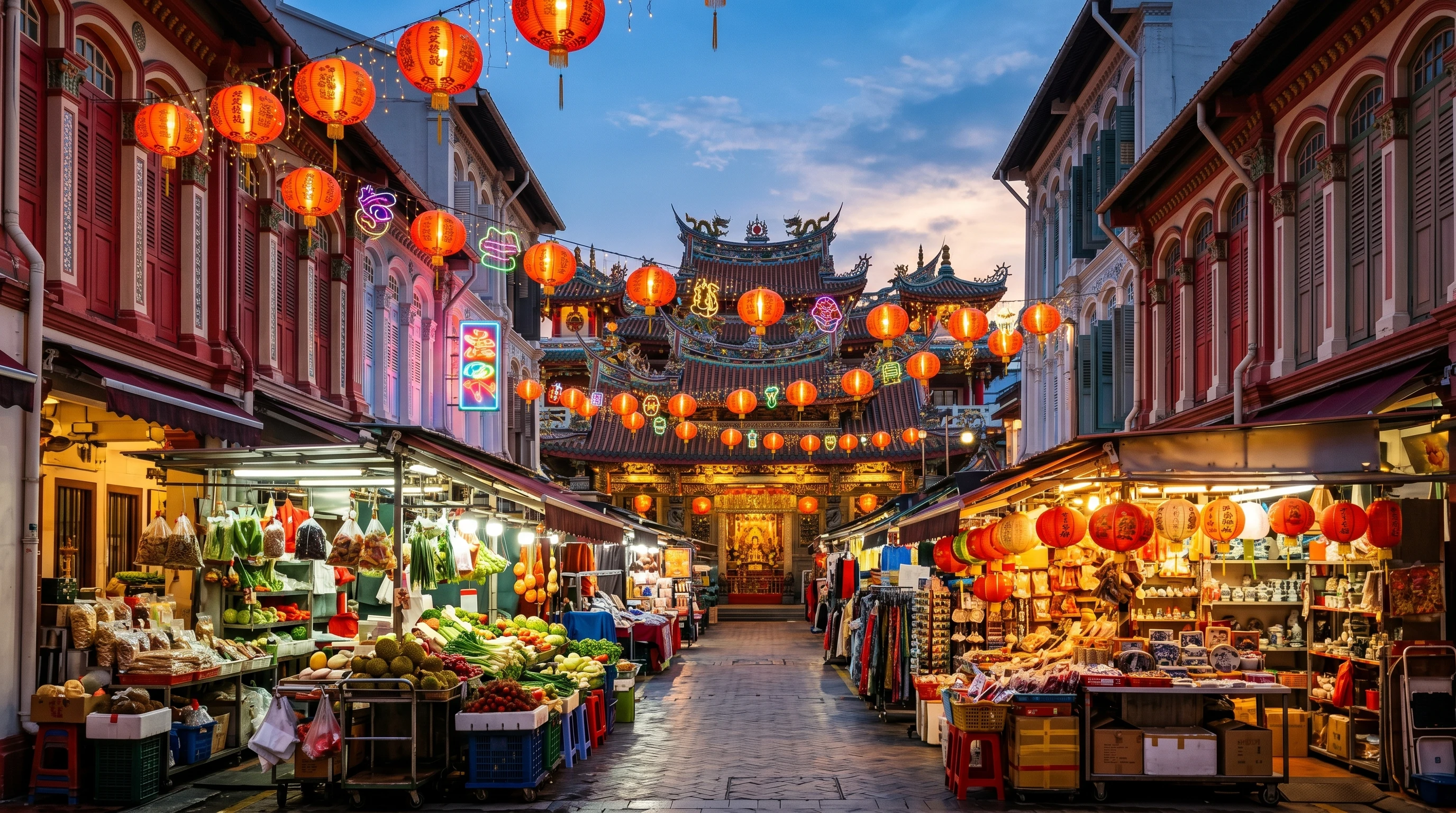
China Town Singapore

<script async src=”https://pagead2.googlesyndication.com/pagead/js/adsbygoogle.js?client=ca-pub-1252888649813996″
crossorigin=”anonymous”></script>

If you’re thinking about getting into Singapore’s Chinatown, you’re in for a real treat. With buzzing markets, colorful temples, and mouthwatering eats, Chinatown is a place where old traditions and modern trends mix together pretty seamlessly. I’ve explored this vibrant neighborhood more times than I can count, and each walk down those busy streets always brings something new. I’m sharing my top tips and all the insider info you’ll want before making your own trip there.

Bustling Chinatown street with red lanterns, heritage shophouses, and market stalls under a clear sky

Why Chinatown in Singapore is Worth Visiting

Chinatown isn’t just a tourist hotspot; it’s got layers of history, shopping, and food that locals love just as much as visitors. If you want a taste of Singapore’s Chinese heritage or a lively street scene that’s never dull, it’s really worth checking out. The area dates all the way back to the early 1800s when Chinese immigrants first settled here, bringing with them unique traditions, culture, and flavors you can still experience today. From red lanterns zigzagging over streets to traditional medicine halls and funky bars, there’s a ton of personality packed into just a few blocks.

Chinatown is also home to some of Singapore’s most iconic heritage buildings and religious sites. That mix of oldworld charm and everchanging urban life means you can spend hours or even days here and never run out of things to see. Plus, the area is super easy to get to and walk around, making it great for all kinds of travelers—solo explorers, couples, families, and even foodies on the hunt for the next big bite.

Where is Chinatown in Singapore?

Chinatown sits in the heart of Singapore, right between the Central Business District and the popular Tanjong Pagar area. The main thoroughfare is South Bridge Road, but the wider Chinatown district covers streets like Pagoda Street, Temple Street, Smith Street, and parts of Kreta Ayer. If you hop on the city’s MRT, just get off at Chinatown Station (on the North East and Downtown lines) and follow the signs. The moment you step out, you’ll know you’ve arrived.

It’s not a massive area, so exploring by foot is definitely the way to go. Mapwise, Chinatown is located in the Outram district, super close to places like Marina Bay, Clarke Quay, and City Hall. If you’re planning to mix sightseeing with some shopping, or just snack your way through a few hawker stalls, Chinatown’s location makes it a super convenient spot to start or end your day.

Best Places to Visit in Singapore’s Chinatown

There’s more to Chinatown than bustling souvenir stalls. These are a few spots I always put on my mustsee list:

  • Chinatown Heritage Centre: Located right on Pagoda Street, this museum recreates old shophouse interiors. It’s an easy way to picture how the early Chinese communities lived and worked, letting you experience Singapore’s roots firsthand.
  • Buddha Tooth Relic Temple & Museum: This beautiful, multistory temple is right in the heart of Chinatown, with intricate architecture and a rooftop garden. Even if you’re not religious, the building alone is impressive, and visitors can learn more about Buddhist culture inside.
  • Sri Mariamman Temple: The oldest Hindu temple in Singapore is just around the corner and features vibrant, handpainted statues all over its facade. Step inside during a prayer session to hear mesmerizing chanting and get a feel for Singapore’s multicultural vibe.
  • Chinatown Street Market: This is THE place for souvenirs, snacks, and peoplewatching. Head down Pagoda and Trengganu Streets for lanterns, trinkets, and delicious street food. Be sure to try a sampling of traditional sweets and fresh fruit juices from local vendors.
  • Smith Street Food Street: If food is on your mind (when isn’t it?), this pedestrian zone offers up all sorts of local eats in a lively, openair setting. Grab a table and jump into classics like satay, oyster omelettes, and crispy spring rolls as you watch the street life around you.
  • Ann Siang Hill & Club Street: For a switchup in the evening, try these trendy lanes for indie bars, bistros, and heritage shophouses. Super popular with locals on the weekends! These streets offer everything from craft cocktails to live music in restored colonial buildings, balancing old charm and nextlevel cool.

What to Eat and Drink in Chinatown

If you ask me, Chinatown is all about the food. You could easily build an entire trip around the hawker stalls and restaurants here. These are a few bites I always recommend:

  • Chinatown Complex Food Centre: This massive food court has literally hundreds of stalls. Try famous dishes like chicken rice from Liao Fan Hawker Chan (yep, the Michelin-starred stall), char kway teow, wonton noodles, and decadent muah chee (chewy glutinous rice balls dusted in peanut). Be adventurous and check out some lesserknown stalls—sometimes the best flavors are the ones flying under the radar.
  • Maxwell Food Centre: Not technically inside the border, but close enough. Order a plate of Tian Tian Hainanese Chicken Rice or slurp up some hearty fish soup. Maxwell is also home to a range of dessert stalls, so don’t skip on the sago gula melaka (sticky sago pearls with palm sugar and coconut milk).
  • Traditional bakeries and dessert shops: Look for tau sar piah (mung bean pastries) and chendol (icy coconut and green jelly dessert) in the smaller shops along South Bridge Road. Chinatown is special because generations of familyowned bakeries keep these oldschool flavors alive.

In addition, Chinatown’s street corners are full of pop-up juice stands and bubble tea shops. If you’re feeling adventurous, track down traditional Chinese herbal teas, which are known for their cooling properties in Singapore’s hot climate.

Shopping Guide: What to Buy in Chinatown

Shopping in Chinatown doesn’t just mean fridge magnets (though you’ll find plenty of them). Spend a little time poking around these spots for unique picks:

  • Herbal medicine halls: If you’re curious about traditional remedies, many shops along South Bridge Road are welcoming to visitors. These stores offer ginseng, teas, herbs, and sometimes even free consultations—great for digging into local wellness traditions.
  • Antique shops: Keep your eyes peeled for hidden treasures, from Peranakan ceramics to old postcards. Many antiques shops have items that tell stories of Singapore’s early days, and bargaining is part of the fun here.
  • Textile and souvenir shops: For silk scarves or handpainted fans, the shophouses along Pagoda and Temple Streets have some beautiful selections. You’ll also find custom calligraphy services and paper lanterns that make thoughtful gifts.

Some newer lifestyle boutiques and streetwear popups have also started springing up. These blend traditional patterns with modern design, perfect for picking up a stylish keepsake with a Singapore twist.

When is the Best Time to Visit Chinatown?

Chinatown is lively all year round, but there are definitely times when the energy goes through the roof. Visiting just before or during Chinese New Year (usually January or February) is an experience you won’t forget. Think lantern displays, lion dances, and colorful night markets. It gets packed, but in the best way. That said, if big crowds aren’t your thing, weekdays or mornings are pretty chill and give you space to actually explore at your own pace.

The evening is another good time to visit. Once the sun goes down, the lanterns come on and the night market vibe takes over. Smith Street fills with food stalls and performances, and the area stays buzzing until late. If you’re into photography, sunset over the shophouse rooftops is super photogenic. Just remember, Singapore is hot and humid year-round, so a water bottle and light clothing are always a smart idea.

Do You Need Cash in Singapore Chinatown?

While Singapore has embraced cashless payments almost everywhere, Chinatown still has a bunch of smaller shops, hawker food stalls, and market vendors that prefer cash, especially for small transactions. It’s a good idea to keep some Singapore dollars on hand for those justincase moments, even if you plan on using cards or mobile payments most of the time. ATMs are widely available throughout the district if you need to withdraw cash. When I go, I usually have at least $20-40 in small bills for snacks, knickknacks, or temple donations.

Tips for Exploring Chinatown Like a Pro

  • Wear comfy shoes. You’ll be walking those winding alleys and bustling lanes a lot.
  • Start early or go late. Heat and crowds are lighter, and you’ll get better photo opportunities.
  • Try both the touristy hotspots and quieter streets. Sometimes the best experiences are hidden away just a block off the main drag.
  • Don’t be afraid to bargain (nicely). Many market stalls expect it, especially with souvenirs.
  • Observe temple etiquette. Shoulders and knees covered, shoes off in sacred spaces, and be respectful when photos aren’t allowed.
  • Check out a local festival or parade. If your visit lines up with Chinese New Year, Mid-Autumn Festival, or Vesak Day, you’ll be treated to amazing cultural performances and street decorations.

For those interested in local crafts, some workshops in the area offer quick lessons in calligraphy or even lantern-making that you can book in advance. This is a cool way to bring home a custom souvenir and learn from talented craftspeople.

Frequently Asked Questions About Singapore’s Chinatown

Is Chinatown in Singapore worth visiting?
Absolutely. It’s one of Singapore’s most vibrant and historic neighborhoods. Between the food, shopping, culture, and convenient location, it’s hard not to find something you’ll enjoy; whether you like temples, trendy bars, or just soaking up the atmosphere.


Where should I go in Chinatown?
Start at the Chinatown Heritage Centre and Buddha Tooth Relic Temple, then wander through the Chinatown Street Market and food courts. Ann Siang Hill and Club Street are great for a relaxed evening after exploring the main sites.


Where is Chinatown in Singapore?
It’s conveniently right between the Central Business District and Tanjong Pagar, mostly covering Pagoda Street, Temple Street, Smith Street, and the wider Outram district. Take the MRT to Chinatown Station for the easiest access.


What’s the best time to go to Chinatown Singapore?
Mornings or early evenings are perfect for cooler weather and smaller crowds. For energy and events, visit around Chinese New Year or festival season.


Do I need cash in Singapore Chinatown?
Certainly handy for hawker stalls, souvenirs, and smaller shops; so bring small bills even if you use a card or phone wallet most places.

Wrapping Up

Whether you’re after killer street food, gorgeous temples, or a vibrant slice of local life, Chinatown Singapore totally delivers. Bring an appetite, stay open to the surprises tucked down every side lane, and be ready to stumble upon a side of Singapore that’s bursting with energy and charm. The sights, sounds, and flavors here keep drawing me back, and I’m certain you’ll find your own favorite moments—happy exploring!

Advertise With Bestsingapores

If you have something to offer in Singapore, getting the word out is pretty important. That’s where bestsingapores comes in. It’s a local online platform that’s become a go-to spot for “best of” reviews, practical guides, and trending roundups. The site has built a serious following of readers who love trying new things. I’ve seen posts here reach a million views, so it’s clear the reach is legit. If you want your business, product, or service in Singapore to get noticed, advertising with bestsingapores can open some real doors for you. Whether you’re looking to boost your local reputation or launch a new product, this site can help you reach that audience with ease.

Why Advertise with bestsingapores?

There are a bunch of advertising platforms out there, but bestsingapores stands out for a few reasons. First, its audience is mostly locals and expats living in Singapore who are actively searching for new recommendations and experiences. That’s super useful if your goal is to reach people who are ready to buy, eat, or try something right now.

Bestsingapores’ content gets shared across Google, social media, and sometimes even in WhatsApp groups. This broad exposure leads to visibility that can keep growing. Posts regularly get featured on search engine results pages and gain traction through organic rankings, so your sponsored content doesn’t just disappear after a day; it keeps sending new eyes your way for months after publication.

I’ve worked with businesses that saw thousands of customer clicks and steady questions coming straight from their features on bestsingapores. It’s common for posts here to cross the 1,000,000-view mark when a topic trends, which means brands enjoy both instant and long-term attention.

Advertising Options Available

Bestsingapores offers lots of advertising solutions to fit different business needs. Here are the most popular choices:

  • Featured Listings: These push your business to the top of category roundup articles, like “Best Cafes in Singapore” or “Best Digital Marketing Agencies.” It puts your brand in the spotlight for readers looking for exactly what you offer.
  • Sponsored Articles: Custom articles written in a practical, review-driven style that fits with the rest of the content. These help explain your story, showcase your offers, and link out to your website or booking page.
  • Banner Ads: Static or animated image ads displayed on high-traffic pages. These are simple, highly visible, and great for brand recall if you have a strong visual identity.
  • Social Media Boosts: If you want deeper engagement, bestsingapores can push featured content on platforms like Facebook and Instagram. This lets you reach fans who already trust the platform’s recommendations.

If you’re not sure which type fits your campaign, bestsingapores is flexible. I find that combining a sponsored article with a featured listing often works best for businesses launching a new service or location, as it covers both detailed storytelling and high-visibility placement.

How bestsingapores Gets Results: Audience and Reach

It’s not just about numbers. It’s about the right viewers finding your products or services. Bestsingapores focuses on English-speaking residents, both locals and long-term expats, who are looking for the best eats, services, shops, and experiences Singapore offers. These readers are ready to try something new, book a service, or visit a store as soon as they stumble upon it.

Most site traffic comes from search engines, which means your advertisement reaches people who are already looking for what you’re offering. The most-read pages have hit millions of views, especially for “best” anything in Singapore. Features can also show up in Google Discovery feeds and be picked up by local news aggregators, multiplying their impact and broadening your potential reach.

Brands regularly report seeing sharp increases in web traffic and in-store visits after being featured, with some products selling out within days. That’s one of the main reasons I suggest bestsingapores; it delivers exposure that actually sends customers your way, not just empty clicks or bots.

Submitting Your Advertisement: The Application Process

Getting started is pretty straightforward. Here’s how to submit your advertisement on bestsingapores:

  • Go to the official advertising page on bestsingapores. You’ll find a link to their blog below comments with your name, your email, your contact and your website or Facebook account. This is the main way to apply.
  • The form asks for your business name, contact info, website, and a short description about what you want to promote. You’ll also pick your advertising types and preferred timing.
  • Bestsingapores usually reviews applications quickly and follows up by email (or sometimes WhatsApp) to discuss your options, timeline, and rates.

Before applying, it helps to check out live examples on the site. Look at sponsored content and featured listings to get a sense of how your brand might be showcased.

What Makes an Effective Advertisement on bestsingapores?

I’ve seen plenty of ads on the platform, and the most effective ones have a few things in common:

  • Clear Value: Highlighting unique deals, offers, or standout products is key. Readers love practical info and quick wins.
  • Local Relevance: Shouting out Singapore-specific aspects (like location, delivery, or local flavors) always helps your ad connect.
  • Strong Visuals: High quality photos or graphics grab attention way faster than plain text. Investing here pays off.
  • Direct Calls to Action: Simple CTAs like “Book now,” “Try today,” or “See our menu” appear often in effective ads since they make next steps obvious.

Even if you’re not a copywriting expert, bestsingapores’ editorial team can help craft your message so it sits naturally within the site’s style. They also improve content for SEO, which helps your ad pop up in search results long after the original campaign wraps up.

Tracking Success After Your Campaign Launches

Once your advertisement is live, keeping an eye on its impact is crucial. Bestsingapores provides basic performance stats, such as article views, clicks to your website, and sometimes user engagement numbers. If you want deeper tracking, you can add UTM codes to your links or ask for campaign stats as it progresses.

Many advertisers notice a bump in Google reviews and social media followers after being featured, so it’s wise to monitor those areas too. Long-term benefits often show up weeks or months after the initial push.

Tips for Maximizing Your ROI with bestsingapores

To make the most of your slot on bestsingapores, try these tips:

  • Use professional visuals. Eye-catching images can mean the difference between being ignored and getting noticed.
  • Keep your offer or message crystal clear, so readers instantly understand what’s special about your business or promotion.
  • Respond quickly to new leads or questions. The faster you reply, the more likely new customers will book or buy.
  • Share your feature on your own social channels. This turns up the campaign and lets your regular followers know you’re being featured locally.
  • Double-check your website and listings before going live. Make sure your links work and your landing pages are current for a seamless customer experience.

Frequently Asked Questions About Advertising on bestsingapores

How long does a sponsored article or listing stay live on bestsingapores?
Most sponsored content and listings stay up permanently. This means ongoing SEO value and regular traffic, even long after your campaign has started.


Can I update my advertisement after it’s published?
The editorial team is generally fine with minor updates, such as price changes or contact details if you let them know. For big changes, you might need to ask for a new post.


What are the costs involved?
There’s a range, depending on how prominent and tailor-made you want your campaign to be. Featured listings are affordable, while large sponsored articles and banners with social pushes cost more. The team shares specific rates once you fill out the application form.


Can I provide my own article or creative assets?
Yes, you can send in your own write-up or images if you have a clear direction in mind. The editors review and improve for clarity and SEO so everything fits the platform style.

Making Your Mark in Singapore’s Online Scene

Getting featured on bestsingapores puts your business or brand in front of real people looking for the best Singapore has to offer. With so many locals turning to the site for trusted recommendations, advertising here is a smart choice when you’re ready to reach a big, active community. Filling out the Google application form just takes a few minutes, and you’ll be able to work directly with the team to find a package that matches your needs.

I love seeing businesses I know get noticed and grow through the platform. If you have something worth sharing, trying out bestsingapores is definitely a good move for your next online marketing push.

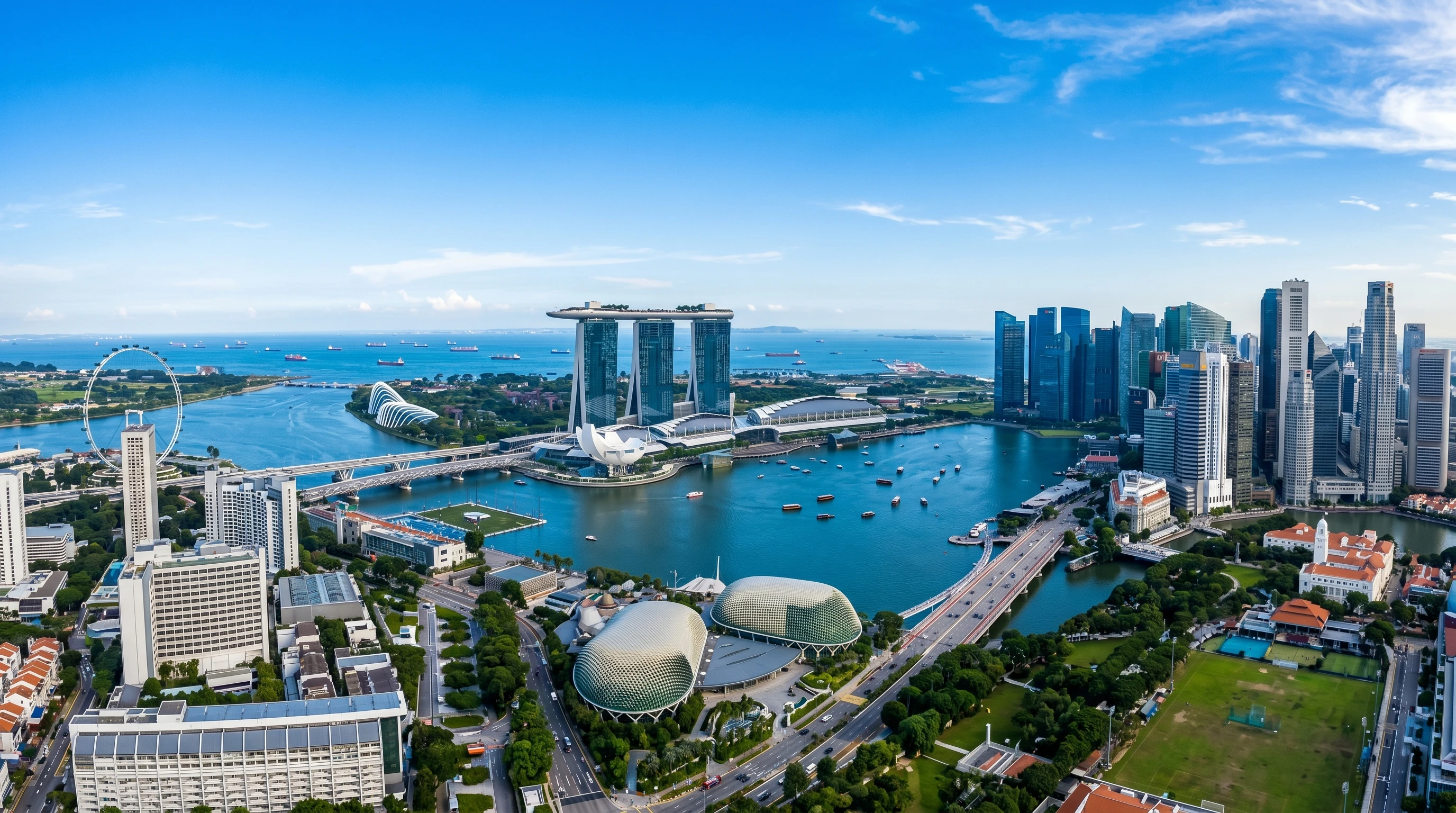
Marina Bay Sands Is Probably One Of Asia’s Most Iconic

Marina Bay Sands is probably one of Asia’s most iconic hotels, and honestly, it’s hard not to be impressed by what it offers. With its bold architecture, sky-high pool, and vast entertainment complex, this spot has become one of Singapore’s top attractions, drawing both travelers and locals all year round. Here’s my guide to making the most out of a trip to Marina Bay Sands, including tips on booking a room, picking where to eat, enjoying the SkyPark, and how to snag tickets for eye-catching experiences at the resort.

Panoramic aerial view of Marina Bay Sands and surrounding Singapore skyline under blue sky

Book A Room at Marina Bay Sands

When booking a stay, you’ve got over 2,500 rooms and suites to choose from. The experience can feel pretty special, especially considering that an overnight stay gives you access to that legendary infinity pool on the 57th floor. This pool is exclusive to hotel guests, by the way, so even if you don’t usually splurge on hotels, it might be worth considering for the view alone.

Rooms range from Deluxe and Premier options to Clublevel and gorgeous suites with views of the city or gardens. I find that staying during the week instead of weekends can sometimes save some money, and it helps to book directly on the official Marina Bay Sands website for the best rates and some added perks.

If you’re after something super comfortable, the Club Rooms and Suites come with extra privileges like lounge access, evening drinks, and complimentary breakfast. I’ve heard from fellow travelers that the early morning hours are perfect for pool photos and a peaceful swim before the crowds roll in. If you like a spacious setting, go for a suite with floor-to-ceiling windows. You’ll get a cityscape that simply can’t be beat.

Dining Director: Where to Eat at Marina Bay Sands

The dining scene here is kind of a big deal, with an incredible range of restaurants serving up everything from local hawkerstyle bites to awardwinning dishes by celebrity chefs. Here are a few places I always recommend:

  • Spago by Wolfgang Puck – Located on the rooftop, this spot does a mean brunch and sunset cocktails with a pretty unbeatable view.
  • CE LA VI – If you’re after South East Asian fusion flavors with killer skyline views, it’s worth a try.
  • CUT – This steakhouse is popular for a reason. If you love classic chops done well, you’ll find something for you.
  • Black Tap – This burger joint is casual but wildly popular for its shakes and Instagramfriendly shakes.
  • Rasapura Masters – Inside The Shoppes, this vibrant food court features classic Singaporean street food, so you can enjoy a sample of the city’s top flavors in one go. It’s a favorite stop for both locals and visitors looking for quick, authentic bites without breaking the bank.

Reservations are a good idea, especially on weekends. Some restaurants have dress codes; nothing super strict, but worth checking if you plan to visit in the evening. For foodies, there are always seasonal events and tasting menus, so keep an eye on what’s new if you want to try something different. Don’t forget the worldfamous afternoon teas and dessert bars, which are big highlights too.

SkyPark Observation Deck Experience

This is Marina Bay Sands’ star attraction for a reason. The SkyPark Observation Deck sits at the very top of the building, towering 56 stories above the city. You get panoramic 360degree views, including the skyline, Gardens by the Bay, the Singapore Flyer, and the busy waterfront. Even if you’re not staying at the hotel, anyone can buy a ticket to visit the deck.

Sunset is the most popular time for a visit, and for good reason; the city lights come alive and you can watch light shows happening below at Gardens by the Bay. Personally, I found that going early in the morning or just before closing can be much quieter, making for a peaceful experience and better photo ops. If you’re keen, bring a camera with a wide lens. The view from up here never gets old.

The SkyPark sometimes hosts special events and fitness classes (think yoga at sunrise overlooking the skyline), which you can book in advance. Drinks and snacks are available up top, so you can chill out for a while and enjoy the breeze. Sunsets, laser shows, and stunning starry nights all look extra special from this vantage point.

Buy Attractive Tickets Online

Marina Bay Sands isn’t just a hotel; it’s a fullblown entertainment hub. Pretty much everything, including the hotel, the SkyPark, the casino, art exhibitions, theater shows, and Digital Light Canvas, has an online ticketing option. This makes it way easier to plan your visit and skip lines, especially during busy holiday periods.

Here’s my top advice for snapping up the best deals and gaining access to all the good stuff:

  • Official websites offer combo tickets (like Observation Deck + ArtScience Museum) that cut down costs if you want to do several things in one trip.
  • Check for seasonal promos and onlineexclusive discounts, especially if you book ahead. Sometimes, booking midweek or in offpeak months unlocks even better rates.
  • For theater shows and concerts, booking early is pretty important as the bigname acts often sell out quick.
  • If you’re traveling with kids, look for family deals or specific experiences—there’s plenty for little ones, especially at the Digital Light Canvas or within the Shoppes. Family bundles can also give you extra value if you plan on bouncing around several attractions.

Most ticketed attractions around Marina Bay Sands run hightech QR systems, so you don’t always have to print your tickets. Just pull them up on your phone and you’re good to go. If you’re techsavvy, you’ll love how smooth and convenient the whole process is.

Exploring Attractions Around Marina Bay Sands

Staying here puts you right in the heart of some of Singapore’s coolest spots. The area is built for walking, so you’re never far from a scenic route or a worldclass attraction. Here’s a quick overview of my favorites right outside:

  • Gardens by the Bay – These futuristic gardens have the famous Supertrees, Cloud Forest, and Flower Dome. Entrance to the outdoor gardens is free, but the domes require a ticket. The light show after sunset is not to be missed—there’s a reason people flock here in the evenings.
  • Helix Bridge – A pedestrian bridge with unique architecture, perfect for nighttime strolls and photos. The bridge lights up at night, making for a fun walk with fantastic skyline views.
  • The Shoppes at Marina Bay Sands – Even if you’re not big on shopping, this mall is worth a wander. There’s a canal running right through it, with gondola rides that bring a little Venice flair right to Singapore. You’ll find both luxury labels and quirky popups here.
  • ArtScience Museum – That lotusshaped building offers interactive exhibitions perfect for all ages, covering art, science, and tech. The permanent Future World exhibit blends art and innovation in ways that wow both kids and adults.
  • Spectra Light & Water Show – A free nightly show at the Event Plaza with lasers, fountains, and upbeat music that’s great for families and couples alike. Arrive a few minutes early for the best viewing spots by the water.

If you have extra time, you can check out events at Marina Bay Events Plaza, where festivals and popups regularly set up shop, or take a stroll along the promenade for more city views and street performers.

Tips for Getting the Most Out of Marina Bay Sands

Firsttimers sometimes find the hotel a bit overwhelming because there’s so much to do. A little planning helps make your trip much smoother. I always suggest:

  • Download the Marina Bay Sands app. It’s super handy for browsing maps, event calendars, and booking lastminute restaurants or attractions.
  • Pack swimwear if you want to swim in the infinity pool. Towels are always provided, but a waterproof phone pouch can be a good idea for poolside snaps and capturing your time in the water without worry.
  • Comfortable walking shoes are a must. The resort is huge, and there are plenty of nearby sights to stumble upon on foot. You’ll want to see and do as much as possible without having sore feet get in the way.
  • Try visiting at least one rooftop spot at night, whether you’re staying as a guest or just stopping by for a drink. The vibes and views after dark are unbeatable, and you might catch a firework show on special occasions or holidays.

For tech lovers, Marina Bay Sands can be a playground. From robot bartenders to digital art exhibitions, you’ll spot plenty of futuristic touches that set it apart from a typical hotel stay. Don’t forget to check out the latest tech installations in the lobby and Shoppes.

Frequently Asked Questions

What is the best way to book a room at Marina Bay Sands?
Booking directly on their website tends to be the best for price and perks. You can sometimes find package deals that include breakfast, access to exclusive areas, or spa credits. Some travel agents also offer specials, but the official site is usually the way to go.


Can nonhotel guests swim in the infinity pool?
No, the infinity pool is only for registered hotel guests, so booking a room is the only way up for a swim. This exclusivity makes it a truly special experience for hotel guests.


Is the SkyPark worth the extra ticket?
Absolutely, especially if it’s your first visit to Singapore or you’re after that postcardperfect skyline shot. The view is memorable at any time of day, and even longtime visitors say it never gets old.


Are there vegan or vegetarian food options?
Definitely. Most of Marina Bay Sands’ restaurants cater to a wide range of dietary needs. Just check menus online or ask the staff, since they’re all pretty used to special requests. Vegans and vegetarians can easily find delicious options everywhere from cafés to fine dining.


How do I get to Marina Bay Sands?
The resort is super accessible by Singapore’s MRT system. Just hop on the train to Bayfront Station and you’re right at the doorstep. Taxis and ride-hailing apps work well too, and there’s plenty of signage once you arrive.

Final Thoughts

Marina Bay Sands isn’t just a hotel. It’s a full-on destination packed with entertainment, worldclass dining, and unbelievable city views. Even if you’re not staying overnight, there are tons of ways to soak up the atmosphere and enjoy some of Singapore’s best attractions in one spot. Whether you want a luxurious escape, an iconic photo from the SkyPark, or a day filled with shopping and dining, Marina Bay Sands really is a mustsee in the heart of the city. Keep an eye out for seasonal happenings and new experiences whenever you visit. You never know what you might stumble upon!

Singapore Life Expectancy 2026

Singapore consistently ranks among the world’s longest-living countries, and if you’re curious about how things are shaping up for 2026, you’re in the right place. Life expectancy isn’t just a number for the city-state; it’s a reflection of decades of solid healthcare, clean environments, and community resources. If you want the quick version, Singaporeans born in 2026 are expected to live, on average, about 85.6 years. But that’s just the start, and there’s a lot more to the story of how this number comes together, what it means in everyday life, and how it’s affecting everything from retirement to health policies.

<script async src=”https://pagead2.googlesyndication.com/pagead/js/adsbygoogle.js?client=ca-pub-1252888649813996″
crossorigin=”anonymous”></script>

Before going into all the nitty gritty details, here’s a handy breakdown of some key facts and figures on Singapore’s projected life expectancy for 2026, based on a combination of United Nations data, local government statistics, independent health studies, and the latest expert commentary.
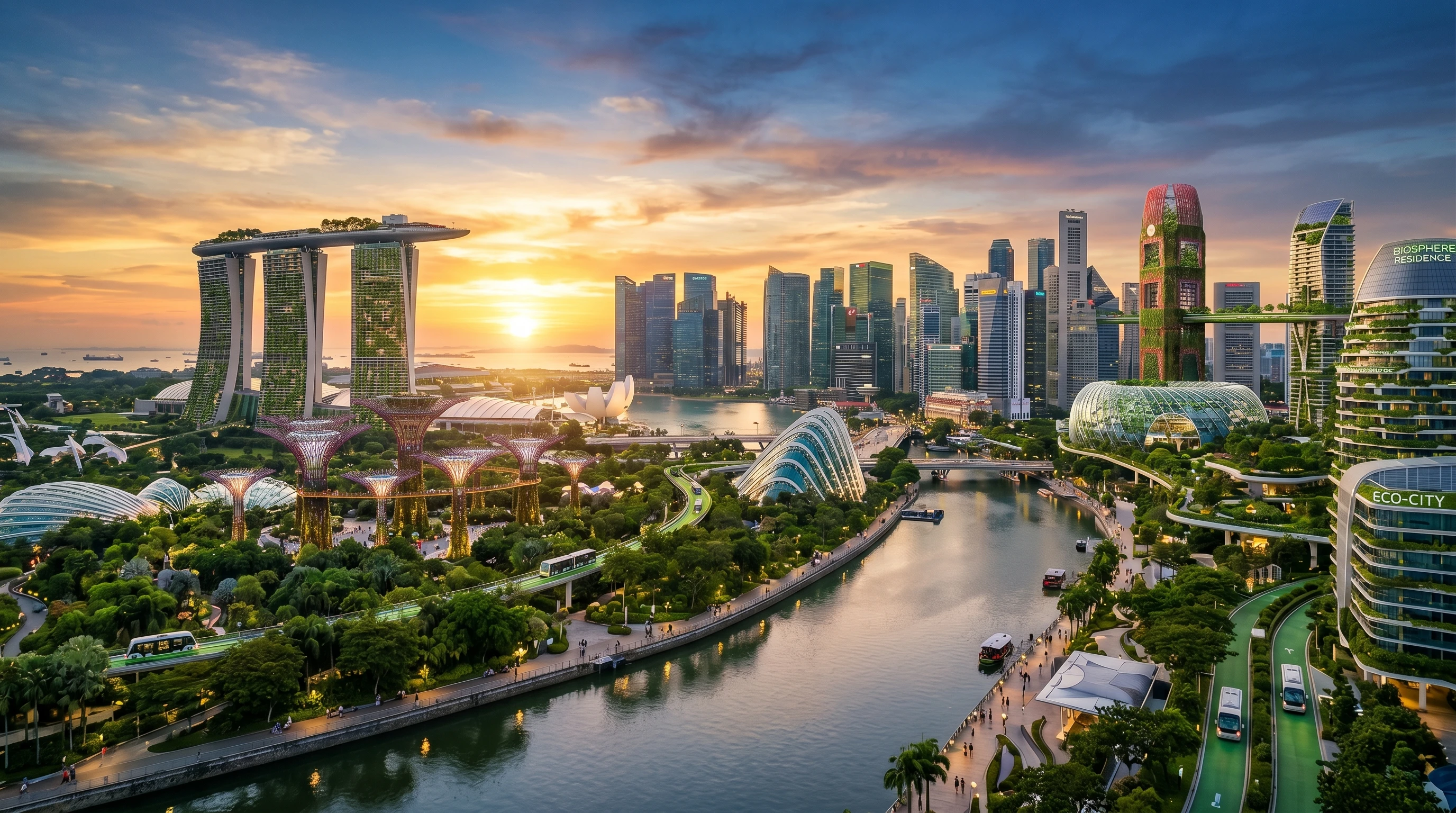
A futuristic view of Singapore's skyline with lush greenery, modern buildings, and a serene sunset, illustrating health and longevity.

Country: Singapore
Estimated Life Expectancy in 2026: 85.6 years
Source: United Nations World Population Prospects, Ministry of Health Singapore, local research journals
Recent Trend: Steadily rising by 0.1 to 0.2 years every year
Health System Ranking: Among the top globally
Gender Breakdown: Women: 87.1 years, Men: 83.9 years (projected)
Retirement Age: Official minimum retirement age is 63 from 2022, re-employment age is 68
Public Health Focus: Chronic disease management, aging well, preventive care

Singapore’s life expectancy statistic reflects a bunch of broader trends. It’s not just about living longer, but also about living healthier. The country’s healthcare system, public policies, and community resources all play their part, and the numbers show it. But how did Singapore get here, and what are the challenges that come with a rapidly aging society? That’s really interesting (and, honestly, super important for anyone thinking about the future in Southeast Asia).

What Drives Singapore’s High Life Expectancy?

The story behind Singapore’s long lifespans isn’t luck. It comes from a purposeful, decades-long focus on health, policies that actually get results, and a lifestyle culture where good food, movement, and community support are really valued. If you’ve visited, you’ll know how clean and safe most neighborhoods are, how easy it is to access health services, and the sort of education people get about healthy living from a young age.

Here are some of the most important reasons Singapore’s life expectancy will be so strong in 2026:

  • World-Class Healthcare System: Singapore has a universal healthcare system that’s a mix of public and private funding. Citizens get access to affordable care at every life stage.
  • Very Low Infant Mortality: Rates have been below 2 deaths per 1,000 live births for years, which has a huge impact on overall life expectancy numbers.
  • Chronic Disease Prevention: Massive efforts around public health campaigns target diabetes, hypertension, and other common agingrelated issues, helping improve quality of life.
  • UltraClean, Safe Environment: The city-state is known for its safe streets, reliable public transport, and green spaces, reducing injury risks and respiratory illnesses.
  • Healthy Diet and Active Lifestyle: While city life means lots of cheap and easy eating options, there’s also a cultural push toward moderation, movement (just look at the endless walking trails and gyms), and wellbalanced family meals.
  • Strong Social Support: Extended families, community networks, and government schemes help keep older adults engaged and supported.

Singapore didn’t get here overnight. Back in the 1960s, life expectancy was only about 62 years. It took consistent investment and a lot of vision from policymakers. Each year, Singapore inches up the world rankings, and this is something not every developed nation can say right now, given how global health trends are changing.

Breaking Down the Numbers: How Life Expectancy Is Calculated

Whenever you see a number like “Singapore life expectancy 2026,” it’s worth knowing what’s behind it. This statistic represents the average number of years a newborn in Singapore in 2026 could expect to live if current patterns of mortality at each age stay the same throughout their life.

The UN, Singapore’s Ministry of Health, and local research groups all publish forecasts, and while the methods may differ slightly, they generally rely on:

  • Vital statistics from birth and death records
  • Population censuses conducted every 10 years (the next is due in 2030, by the way)
  • Midyear population estimates and household surveys
  • Hospital and healthcare system reporting

They factor in not just current death rates but also things like mortality from accidents, trends in chronic disease, and even projected changes due to climate or infectious diseases (think of the impact COVID-19 had on longevity stats around the world, although Singapore actually managed this well with minimal direct impact on its life expectancy).

Comparing Singapore’s Life Expectancy to Other Countries

Singapore’s numbers are always in the top tier globally. Here’s a rough comparison based on recent WHO and UN figures for 2026 projections:

  • Japan: 85.2 years
  • Hong Kong: 85.0 years
  • Switzerland: 84.4 years
  • Singapore: 85.6 years
  • Australia: 84.0 years
  • United States: 78.5 years

At first glance, the difference might look small, just a year or two. But in longevity research, that’s actually a pretty big win, especially in a country with such a diverse and urbanized population.

The gender gap in life expectancy, a common measure, is also notable in Singapore. Women tend to outlive men by about three years, mostly due to a lower incidence of certain occupational risks and lifestyle diseases.

What’s really interesting is that Singapore’s numbers keep improving, while other advanced economies have plateaued or even dipped slightly in some years, mainly due to drug crises, reduced health spending, or rising obesity rates. Singapore’s focus on public health and early intervention is a big factor in keeping its gains steady and dependable.

The Impact of Healthcare Policy on Longevity

Much of Singapore’s life expectancy advantage comes from an approach called the “3Ms”: Medisave, Medishield, and Medifund. If you’ve lived in Singapore for a while, you’ll have experience with at least one of these:

  • Medisave: A mandatory savings account to help with hospitalization and approved medical expenses.
  • Medishield Life: Nationwide basic health insurance to cover large hospital bills and costly outpatient treatments.
  • Medifund: A safety net for those who struggle even after insurance and savings, helping low-income households cover remaining bills.

This system encourages personal responsibility and makes high-quality healthcare affordable for most residents. Private hospitals and clinics fill in the gaps, and most services are digitized for easy access and recordkeeping.

Screenings for chronic diseases like diabetes and high cholesterol are widespread and often subsidized, making it easy for people to catch problems before they get serious. The government also runs big campaigns around food choices, exercise, mental wellness, quitting smoking, and more.

One super interesting part of Singapore’s system is the blend of incentives and support measures. The Health Promotion Board constantly rolls out new programs, from healthy hawker food initiatives to nationwide fitness challenges. It’s normal to see groups of seniors exercising together in the early morning at residential fitness corners or in community classes set up just for older adults.

How Singapore Manages an Aging Population

Living longer is great, but it comes with challenges. A big one for Singapore is the rapidly aging population. By 2030, almost one in four Singaporeans will be aged 65 or above. This is already putting a lot of pressure on healthcare resources, housing, and social support systems.

If you’ve been following local news, you’ll know about the ongoing adjustments to retirement age, bumped to 63 in 2022 with plans to move to 65 by 2030.

The government has been preparing for this in a few ways:

  • Expanding eldercare facilities and home care services
  • Subsidizing primary care for seniors
  • Encouraging active aging through community and grassroots programs
  • Making public spaces more accessible for those with mobility challenges
  • Rolling out “Community Networks for Seniors” to connect elderly residents with resources in their neighborhood
  • Promoting flexible work arrangements for older workers to stay engaged longer

The recent big push is in “aging in place,” helping seniors stay active, healthy, and independent in their own homes for as long as possible. This means everything from smart home sensors to regular visits from community nurses.

Working-age Singaporeans also get some relief in managing elderly care through tax benefits, carer grants, and easy access to support services like day care, respite care, and counseling.

The Role of Technology and New Approaches

If you’ve ever checked out Singapore’s tech scene, you’ll notice how much energy goes into healthcare and longevity solutions. The country’s Smart Nation strategy isn’t about building shiny new gadgets for their own sake; it’s about using digital tools to improve lives, including those of older citizens.

A few cool examples that are shaping life expectancy outcomes:

  • National Electronic Health Record: Doctors across different hospitals and clinics easily access patient info, so there are fewer errors and more joinedup care plans.
  • Telemedicine: COVID-19 really supercharged the use of virtual health checks, especially useful for older people who may not want or be able to travel for routine visits.
  • Smart Wearables: Fitness trackers and emergency pendants are common among seniors, giving kids and carers some added peace of mind.
  • AI for Health Prediction: Research groups in Singapore are already testing predictive analytics for things like early dementia markers, which mean earlier and more effective interventions.
  • Pharmaceutical Innovation: Publicprivate ventures support drug development for chronic diseases that are especially common in seniors (like heart disease, high blood pressure, and some cancers).

On a community level, you’ll see more “smart eldercare” housing, robots in some nursing homes for simple tasks, and lots of online tutorials for seniors who want to use technology in daily life, from WhatsApp to online banking. These are all about helping people stay healthy and connected as they age, which really pays off in life expectancy over the years.

Healthy Habits and Lifestyle in Singapore

Living a long life isn’t just about clean clinics and smart apps. Daily routines in Singapore, a mix of culture, policy, and personal habit, play a big role.

Food Culture: Food is a big deal in Singapore, and the government works closely with hawkers and supermarkets to reduce sugar, salt, and unhealthy fats in everyday meals. You’ll see the “Healthier Choice Symbol” on local food products everywhere. Even kopi (coffee) shops offer lowersugar options. Nutrition education starts early in schools, covering everything from basic food groups to how to read food labels and spot hidden sugars.

Active Living: Whether it’s the walking culture, the park connectors, or a quick morning tai chi class outside a HDB block, movement is part of daily life for many Singaporeans. The government invests a lot in accessible sports facilities and organizes annual events like the National Steps Challenge.

Low Smoking and Drunkenness: Compared to many cities, Singapore’s smoking rates are lower thanks to strong tobacco control. There’s also a cultural moderation around alcohol, so you won’t see as many alcohol-related health problems in the stats.

Mental Health: While it’s still tough to talk about mental health for some older Singaporeans, there are big ongoing campaigns to reduce stigma, from “Silver Ribbon” programs to buddy networks and more accessible professional counseling services.

The everyday habits celebrated in Singapore, especially among older adults, include brisk walking, gardening, volunteering, and staying socially connected. All small things but they add up.

Challenges: What Could Affect Singapore’s Life Expectancy Growth?

Even with plenty to celebrate, it’s worth knowing about the hurdles. Keeping life expectancy high won’t be a walk in the park, and Singapore has some specific challenges to keep an eye on in the next few years:

  • Chronic illnesses like diabetes: Even with good public health campaigns, rates of diabetes and obesity are at risk of rising, especially as eating habits change and desk jobs become the norm.
  • High cost of longterm care: An aging population increases the demand for medical services and eldercare, and costs can rise faster than incomes for some families.
  • Mental wellness: Loneliness and depression, especially among older adults living alone, are ongoing concerns.
  • Workplace stress: Singapore’s work culture is famously fast-paced, which can lead to cardiovascular issues and other health problems if not managed well.
  • Economic and social inequality: Not everyone has equal access to preventive care, and health gaps still exist between income groups, though the government is working to close these.
  • Climate change: More intense hot spells, dengue outbreaks, and unpredictable weather are new threats. These hit the oldest and youngest residents the hardest, so heat management and disease control are top priorities.

It’s also possible that international global health changes, like new infectious diseases, could disrupt long-term trends, though Singapore’s track record suggests it’s well-equipped to manage most shocks.

What Does Rising Life Expectancy Mean for Everyday Singaporeans?

The chance to live a longer, generally healthier life is a big positive, but it brings new questions for everyday life:

  • Retirement Planning: With people living longer, planning for more years of active life after retirement is really important. The Central Provident Fund (CPF) and related pension schemes are regularly updated to reflect this.
  • Career Choices: Lifelong learning and second or third careers are becoming the norm, not the exception.
  • Family Arrangements: Multigenerational living, eldercare arrangements, and reliance on domestic helpers or community services are becoming part of the family conversation for more Singaporeans.
  • Healthcare Needs: More attention is being paid now to “healthy lifespan” (years lived in full health) rather than just total lifespan, which means more resources are directed to preventing conditions that reduce life quality, like dementia, heart disease, and strokes.
  • Housing: There’s a bigger demand for “seniorfriendly” housing and neighborhoods with easy access to health, food, and transport.

For most Singaporeans, there’s a real focus on staying healthy and active for as long as possible, watching diet, scheduling regular checkups, and building up a social circle that lasts beyond retirement.

The Science Behind Longevity: Genetics vs. Lifestyle

One of the most debated topics in the longevity game is how much of it comes down to genetics, and how much is influenced by environment and personal choices. Singapore’s experience backs up what most longevity researchers have found worldwide: genes play a part, but lifestyle is often the bigger factor in those final years.

In Singapore, studies support this. Even among people with a family history of illnesses like cancer or diabetes, good diet, regular activity, no smoking, and annual screenings make a huge difference. New genetic research at local institutions is investigating risk markers unique to Singapore’s mix of Chinese, Malay, Indian, and Eurasian populations, with the goal of offering more personalized advice in the future. But right now, public health advice in Singapore is all about controlling what you can: activity, food, and mental health.

The “Healthy Years” Focus: Not Just Living Longer, But Living Better

Singapore’s Ministry of Health now uses the “health-adjusted life expectancy” (HALE) partially to track progress; basically, the average number of years someone can expect to live in good health, without disability. In 2026, HALE is projected to be around 75.2 years. That means most Singaporeans can expect about 75 years of active, self-sufficient life before facing major health limitations, a stat that puts Singapore among the world leaders.

There are nationwide pushes to beat chronic diseases before they start, identify dementia early, and create “city for all ages” urban plans. All these things help make those extra years enjoyable, not just longer.

Spotlight on Preventive Health Campaigns

If you want a real-world example of what’s happening on the ground, look at campaigns like “War on Diabetes,” “Live Well, Age Well,” and “Screen for Life.” These outreach efforts don’t just target older folks; they bring in everyone from children to working-age adults.

  • Screen for Life: Government-paid screening for high cholesterol, diabetes, and cancers starting at age 40 (sometimes earlier, based on risk).
  • Active Aging Hubs: Drop-in centers in communities for group exercise, health checks, and social activities.
  • Healthy Hawker Centres: Partnerships with local food vendors to prepare healthier, affordable dishes, with visible calorie counts on the boards.
  • Healthier Drinks Movement: Massive cutback on sugary drinks in schools and offices, lots of vending machines now only serve lowsugar or zerosugar options.
  • Quit Smoking Programs: Free counseling and support for those wanting to quit, plus higher taxes and strict display laws to discourage tobacco purchases.

The results are visible in everyday life; supermarkets have “healthier” sections, and there are community health checks happening pretty much every month in HDB neighborhoods, organized by grassroots groups or the Health Promotion Board. This makes it easy for everyone to stay in touch with their health, regardless of how busy or financially stretched they might be.

How the COVID-19 Pandemic Changed the Game

COVID-19 challenged pretty much every country’s approach to health, and Singapore was no exception. The good news, for the purposes of life expectancy, is that Singapore managed to keep mortality rates low during the pandemic thanks to aggressive contact tracing, early treatment, and high rates of vaccination.

If you’re worried about the long-term impact of the pandemic on Singapore’s aging population, there’s comfort in the numbers. According to local expert panels, COVID-19 did not produce a big dip in national life expectancy, unlike in some other developed countries. Plus, it sped up adoption of digital and home-based healthcare. Home recovery programs, doctor-on-call services, and remote chronic disease monitoring are now mainstream and expected to stick around even after the pandemic.

The overall effect has been to make the healthcare system more flexible and adaptable, which is a real bonus for handling any future health shocks that could otherwise sidetrack life expectancy progress.

International Recognition and Awards

Singapore regularly gets praise from global organizations for its public health efforts. A few highlights:

  • World Health Organization consistently ranks Singapore in the top tier for “overall health system performance.”
  • Bloomberg’s Healthiest Country Index often puts Singapore as number one in AsiaPacific.
  • Multiple awards for cleanliness, public safety, and food hygiene from international ratings bodies.
  • Global Aging Preparedness Index highlights Singapore’s readiness for population aging as among the most advanced in Asia.

A lot of these recognitions come from how Singapore mixes new methods, policy, and everyday habits. It’s a team effort between government, private sector, schools, families, and even ordinary hawkers.

Where Experts See Singapore’s Life Expectancy Heading

Pretty much every local demographic forecaster agrees that Singapore’s life expectancy will keep rising steadily, barring major unexpected events. Most project numbers reaching 86 years by 2030, fueled by even better medical treatments, new tech, and stronger preventive care programs. Some experts think the record could break 90 years for women by 2050.

Researchers at the National University of Singapore, DukeNUS Medical School, and the Institute of Policy Studies all note that the “healthy life expectancy” is likely to be the real focus moving forward, with goals to increase not just how long people live, but how long they can stay active and independent.

There’s also a growing push to address outlier risks: early deaths from car accidents, suicide, occupational causes, and childhood cancers. For Singapore, the “last mile” in life expectancy gains will be made by helping those who might otherwise be left behind.

Resources for Singaporeans Planning for Longevity

If you’re planning ahead, either for yourself, your parents, or your kids, there are plenty of handy sources to help you manage health, finances, and lifestyle choices to get the most out of those extra years:

The number one tip? Stay involved with your health checks, your community, and your planning. Singapore has built a system where it’s not just possible, but pretty enjoyable, to nurture healthy years.

Frequently Asked Questions: Life Expectancy in Singapore (2026 and Beyond)

  • Why is Singapore’s life expectancy so high? Carefully planned healthcare, healthy food access, urban cleanliness, and new eldercare policies. Plus, a strong community spirit and a real focus on preventive care.
  • Is the rate of increase slowing down? Not yet. Gains continue, though they’re smaller year to year as Singapore has reached a very high baseline. Efforts to tackle chronic illnesses and keep older adults socially engaged are designed to help keep that growth steady.
  • What about healthy years versus total years? Singapore’s big push for the next decade is to add healthy years, not just total years of life. The “health-adjusted life expectancy” is a key national goal.
  • How does Singapore compare to Hong Kong and Japan? All three are neck and neck for highest life expectancies in the world, but Singapore tends to win out in the “healthy years” measurement, thanks to public engagement campaigns and social support for seniors.
  • Can I do anything to boost my own odds? Absolutely. Early checkups, regular movement, healthy eating, staying mentally and socially engaged, and planning for retirement all help. And these habits matter more than genetics for most folks.
  • Will climate change affect future life expectancy? It’s one of the wild card factors. Hazier days, hotter years, dengue outbreaks – Singapore is working proactively to offset these, whether it’s through better cooling, mosquito control, or outreach for vulnerable seniors.

How Singapore’s Life Expectancy Shapes the Future

Singapore’s rising life expectancy is more than a source of national pride; it’s becoming a template for other cities facing rapid aging and tight space. When you walk through neighborhoods filled with playgrounds, parks, elder fitness corners, and healthy food options, you’re seeing the future as it unfolds: a country that aims for not just longer years, but more vibrant ones.

For anyone thinking about where to retire, raise a family, or just live a long, healthy life, the numbers from 2026 and everything behind them make a strong case for Singapore as a world leader. It’s about smart policy, the latest tech, and a culture that puts health at the center of everyday life. Every new baby born in 2026 is predicted to have a shot at nearly 86 years of dynamic, engaged living, and there are lots of ways to make the most of that for yourself or your loved ones.

If you want to dig even deeper, plenty of research is available from Singapore’s universities, health authorities, and international agencies. And as always, the most important part of all these data points isn’t just what Singapore has achieved but the practical tools, habits, and support networks you can tap into, wherever you are in the country or on your personal health adventure.

PS: If you have more questions about Singapore’s life expectancy or want advice on planning for health and longevity, feel free to comment below or reach out directly to local resources. You’ll always find experts, volunteers, and community programs ready to help you stay on track toward living your fullest years.

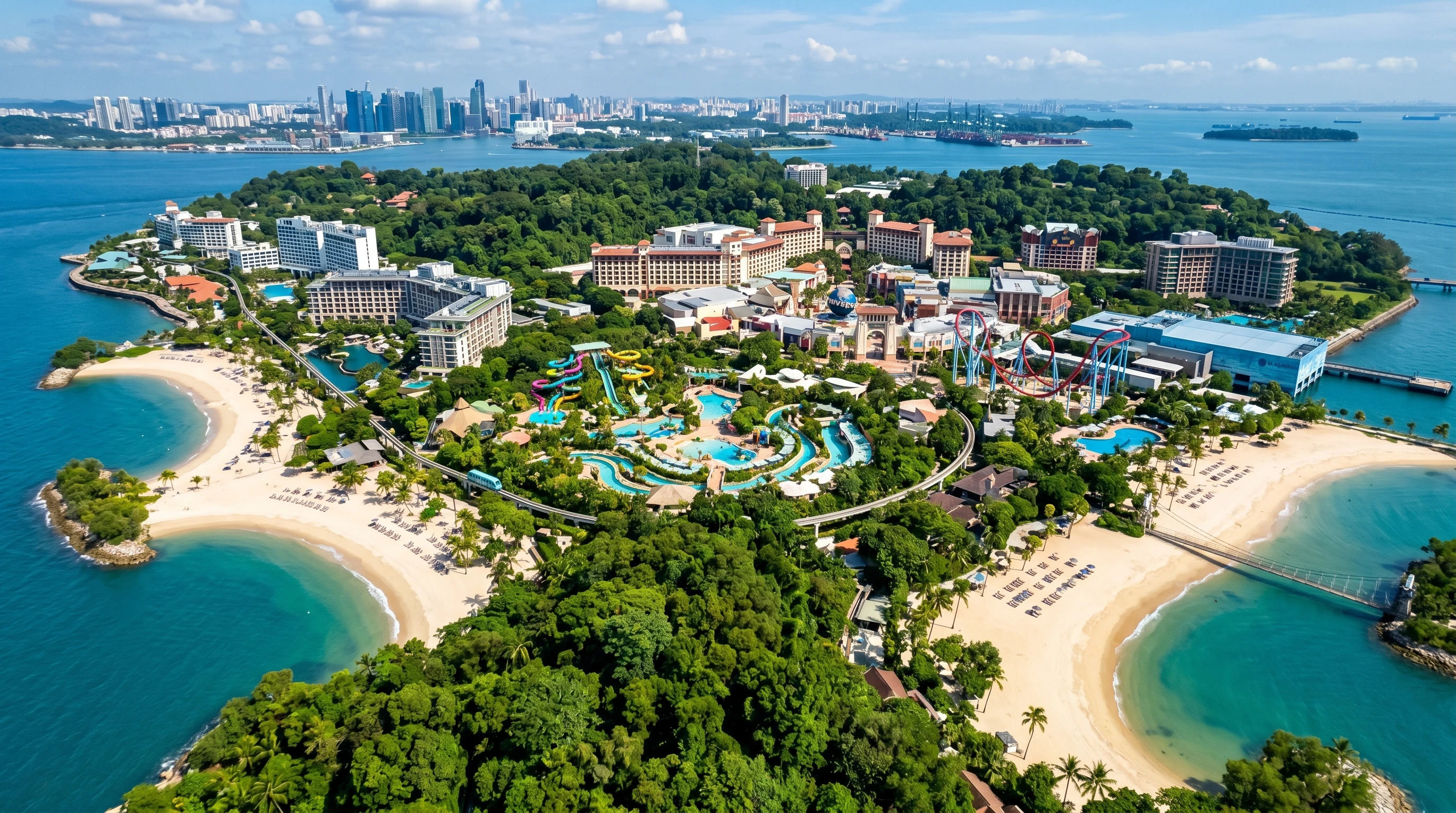
Sentosa Island Has Always Felt A Bit Like A Playground

Sentosa Island has always felt a bit like a playground at Singapore’s doorstep, and every visit comes with something new to check out. Whether I’m going for sun, adventure, or just an easy breezy staycation, Sentosa never runs out of fun things to do. Here’s my guide with everything you need to know—plus some tips—if you’re planning a day or stay on this vibrant island.

Panoramic aerial view of Sentosa Island, featuring beaches, greenery, and resort buildings.

Top Attractions on Sentosa Island

Sentosa is practically built for nonstop entertainment, with options for both thrillseekers and those who just want to kick back. Here are some of the spots that keep me—and most visitors—coming back:

  • Universal Studios Singapore: My pick for movie lovers or families. The park has everything from roller coasters to kid friendly rides and even street shows with your favorite movie characters.
  • S.E.A. Aquarium: This spot is super popular, especially on hot afternoons. With thousands of marine animals, walking through the tunnels and seeing sharks zip by overhead is always memorable.
  • Adventure Cove Waterpark: Water slides, a lazy river, and even snorkeling with tropical fish. The waterpark is perfect for a splashy break from the sun.
  • Skyline Luge and Skyride: This is a must if you like a bit of friendly competition. Riding the luge downhill gives me a little adrenaline rush, and there’s a great view from the chairlift on the way up.
  • Beaches: Palawan, Siloso, and Tanjong beaches all have their own vibe. I love how Palawan Beach is family friendly, Siloso is good for volleyball and bars, and Tanjong is quieter and laid back.
  • Wings of Time: Catching this outdoor night show with pyrotechnics and water effects is a fun way to end a day on the island.

There are smaller gems too, like the Butterfly Park & Insect Kingdom, Fort Siloso’s historical displays, and 4D AdventureLand. Sentosa’s about as jam packed with attractions as it gets in Singapore. The Maritime Experiential Museum is another cool spot, combining immersive exhibits with interactive activities for all ages.

Resorts World Sentosa

This integrated resort complex is a whole vacation in itself. Resorts World Sentosa is home to Universal Studios, S.E.A. Aquarium, and Adventure Cove Waterpark, but there’s more. I’ve found there are luxury hotels, high tech casinos, plenty of shops, and upscale dining all rolled into one sprawling property.

You don’t need to be staying in the resort to enjoy the restaurants and shops, which is great for daytrippers. For those looking for something fancy, the hotels here throw in perks like easy attraction access and resort style pools. Even if you’re visiting for only a couple of days, this place makes it easy to do a bit of everything all in one spot.

Aside from attractions and hotels, Resorts World Sentosa also frequently hosts live shows, art exhibitions, and seasonal events. The Festive Walk pathway connects major sections of the area, and if you’re a foodie, the dining choices range from quick snacks to celebrity chef restaurants. This area stays lively from morning till late, with both tourists and locals mingling through.

Special Perks: Birthday Month Benefits

Sentosa spoils you a bit during your birthday month. I’ve scored discounts and freebies just by flashing my ID at certain ticket counters and attractions. Some of the typical perks you might find (offers do change, so it’s worth checking Sentosa’s website before you go):

  • Free entry to Sentosa via the Sentosa Express monorail during your birthday month. Sometimes they extend this to car entry as well.
  • Discounts or complimentary goodies at Universal Studios Singapore, S.E.A. Aquarium, Adventure Cove, and other attractions. These can be things like free birthday badges, souvenir photos, or even a line skipping pass on certain rides.
  • Special dining deals at select restaurants around the island.

All you need is proof of your birthday. Some places ask you to register in advance, but overall, cashing in on birthday perks is a nice little bonus if you’re planning a treat yourself day on Sentosa. Make sure to check for limited time birthday exhibitions or pop-ups that sometimes happen at major venues for even more surprises.

Stay Overview: Where to Sleep on Sentosa

I usually think of Sentosa as a quick getaway just off the Singapore mainland, and the range of hotels is pretty wide—there’s something for every budget.

  • Resorts World Hotels: Great if you want super quick access to all the resort attractions. The Hard Rock Hotel, Hotel Michael, and Equarius Hotel are the main ones, each with their own vibe.
  • W Sentosa Cove: If you want a mix of luxury and some party energy, this hotel is set in a quieter corner of Sentosa Cove, with a fantastic pool and cool views.
  • ShangriLa Rasa Sentosa: This one’s right on the beach, perfect for families or anyone who wants steps from the sea access.
  • Capella Singapore: With heritage buildings, lush greenery, and sweeping South China Sea views, this is one of the places I’d call truly indulgent.
  • BudgetFriendly Picks: Places like Village Hotel Sentosa offer comfort and style at a more approachable price point, and hostels or smaller boutique stays are popping up too.

Hotels on Sentosa often include transport options, like shuttle buses, or they’re just a short walk from the main attractions. Booking in advance for holidays or long weekends is key, since this island is a favorite for both locals and tourists. Some lodging options offer spa facilities, kids’ clubs, or wellness classes, giving you a variety of experiences without leaving your hotel grounds.

Getting Around Sentosa Island

The island is laid out with visitors in mind, so transport is really smooth. I usually hop on the Sentosa Express monorail, which connects VivoCity mall to main island stops like Waterfront, Imbiah, and Beach Station. There’s also a network of free shuttle buses that run frequently and get you between attractions, hotels, and beach areas quickly.

If you’re up for a walk, most places are pretty close together. For a bit of fun, I sometimes rent a bike or try the Sentosa Beach Tram that moves along the coastline. The cable car from Mount Faber or HarbourFront is another scenic way to arrive on the island (and you get a pretty decent view over the water, perfect for your social feeds).

Rental bikes and electric scooters are also available to make it easy to zip around if you don’t want to walk or wait for a shuttle. For those looking to make their visit accessible, most of Sentosa’s attractions have wheelchair friendly paths and ramps, plus clear signage for getting around effortlessly.

What to Consider Before Your Trip

Planning a Sentosa visit is pretty straightforward, but there are a few things I always take into account:

  • Weather: It can get humid and rainy, so packing sunscreen, a hat, and a light poncho is a smart move. Attractions are close enough that you can take shelter if a storm rolls in.
  • Tickets & Reservations: Attractions like Universal Studios and S.E.A. Aquarium are popular, so booking tickets in advance usually saves some hassle (and sometimes cash, too).
  • Transport: If you’re coming in a car, check for road closures or event days since those can change how easy it is to get on and off the island.
  • Event Schedules: Sentosa often hosts concerts, sporting events, and seasonal festivals. Checking the calendar beforehand helps with crowds and planning.

Travelling with family or a group? There are combo tickets and bundle deals that can help keep costs down, especially if you plan to hit more than one attraction in a day. I also keep an eye out for temporary exhibitions or popups, since those add a bit of surprise to every visit. Remember to wear comfy shoes because you’ll probably end up walking more than expected, and stay hydrated—Sentosa days can get hot!

FAQ: Sentosa Island

How do I get to Sentosa from Singapore city? The Sentosa Express monorail is my usual pick. It’s fast and directly connects with HarbourFront MRT. You can also walk the boardwalk, take a taxi, drive, or hop on a cable car from Mount Faber or HarbourFront.


Is Sentosa suitable for young kids? Definitely. There are loads of family friendly attractions, playgrounds, and safe swimming spots. Even the restaurants often have menus for kids.


Do I need to pay to enter Sentosa? Usually, there’s a small fee for the Sentosa Express or vehicle entry. On foot or bike, it’s often free or discounted, and there are occasional free entry promotions.


Can I visit Sentosa on a tight budget? Yes. There are free public beaches, walking trails, and lookout points. Pack a picnic, use public transportation, and grab deals or discounts for paid attractions where possible.


What’s the best time of year to visit? Sentosa is open year round, but I like going on weekday mornings or outside of Singapore’s school holiday periods to avoid the biggest crowds. If you enjoy cooler weather, consider planning your visit during the end of the year when it’s less humid, and you might stumble upon special holiday themed events.

About Me

The Fascinating Journey of Promote Singapore’s Founder: Antony

  • **Introduction to Promote Singapore**:

    – How Promote Singapore aims to showcase the rich cultural tapestry of the nation.

    – My personal motivation behind promoting lesser-known aspects of Singaporean culture.
  • **Personal Background**:

    – Growing up in Bukit Panjang, once a quiet area known as Ya Sua Be.

    – The vibrant Hokkien-speaking community and its influence on my childhood.

    – Transitioning to English in kindergarten and embracing the evolving cultur
  • **The Forgotten Side of Singaporean Culture**:

    – The essence of dialects in Singapore’s identity and the impact of urbanization.

    – The cultural narratives of minority groups and their historical context.

    – My insights on preserving Singapore’s.
  • **Combining Passion with Purpose**:

    – How my personal experiences shaped the core values of Promote Singapore.

    – Sharing stories that celebrate Singapore’s diversity and history.

    – Encouraging a deeper understanding and appreciation for local cul
  • **About My Hobbies and Personal Interests**:

    – Exploring Singapore’s landscapes, both iconic and undiscovered.

    – Engaging with the local community to capture the spirit of people and places.

    – The role of culture and storytelling in my personal a
  • **Conclusion**:

    – My vision for Promote Singapore and its future contributions.

    – An invitation for readers to join the journey in celebrating and promoting the understated richness of Singapore’s culture.